Wind Mitigation Inspection Nocatee FL
Top-Rated Home Inspectors
A Wind Mitigation Inspection in Nocatee, FL identifies features that protect your home from high winds and storm damage. Nocatee homeowners face wind risk year-round, not just during hurricane season. That’s why wind mitigation matters. It uses proven construction techniques and materials designed to limit damage from strong winds and severe weather.
Insurance companies in Florida are placing growing emphasis on wind safety. Homes that don’t meet the latest state wind mitigation standards may face higher insurance premiums. Homes that do meet those standards can often qualify for valuable discounts. A Wind Mitigation Inspection in Nocatee, Florida, can help ensure your property is up to code. It can also strengthen your home’s defenses and potentially lower your insurance costs.
In 2006, Citizens Insurance, one of the largest property insurers in Florida, requested a 45% rate increase for wind insurance. Other insurers took similar actions.
In Florida, the wind-damage portion of a homeowner’s premium can reach 70% of the total.
Wind mitigation benefits homeowners, private insurers, and all levels of government.
Home insurance companies focus on evaluating and handling risk. So in Florida, where strong winds can cause serious damage, you should expect a higher insurance premium. However, by getting a wind mitigation report with your home inspection, you can cut these expenses.
A wind mitigation report is provided after an inspection. It looks for techniques that make your home less vulnerable to strong winds, such as roof deck attachment, shutters, or other construction features. By taking good care of windows, doors, walls, and roofs, your home can be better prepared for these winds.
About
Nocatee is an unincorporated planned community in northern St Johns County. With twenty-two specialized neighborhoods, Nocatee has something for everyone. Created to balance the lifestyles of its residents by Rodger O’Steen. This planned community was approved in 2001. In September of 2020, Newsweek named Nocatee the “Best Place to Live” in the state of Florida, just 19 years after the initial approval.
The city currently has a population of about 13000 according to the most recent available census data and covers about 24 square miles. The city is mostly made up of Caucasians, with about 90.69% of the population identifying as Caucasian or white. 1.83% of the population was African-American, 5.61 of the population identified as Asian, and 0.50% were Native Americans. Other minority populations include Native Americans, as well as Pacific Islanders and other Asian people.
If you need Wind Mitigation Inspection Nocatee, FL services, contact Inside & Out today!
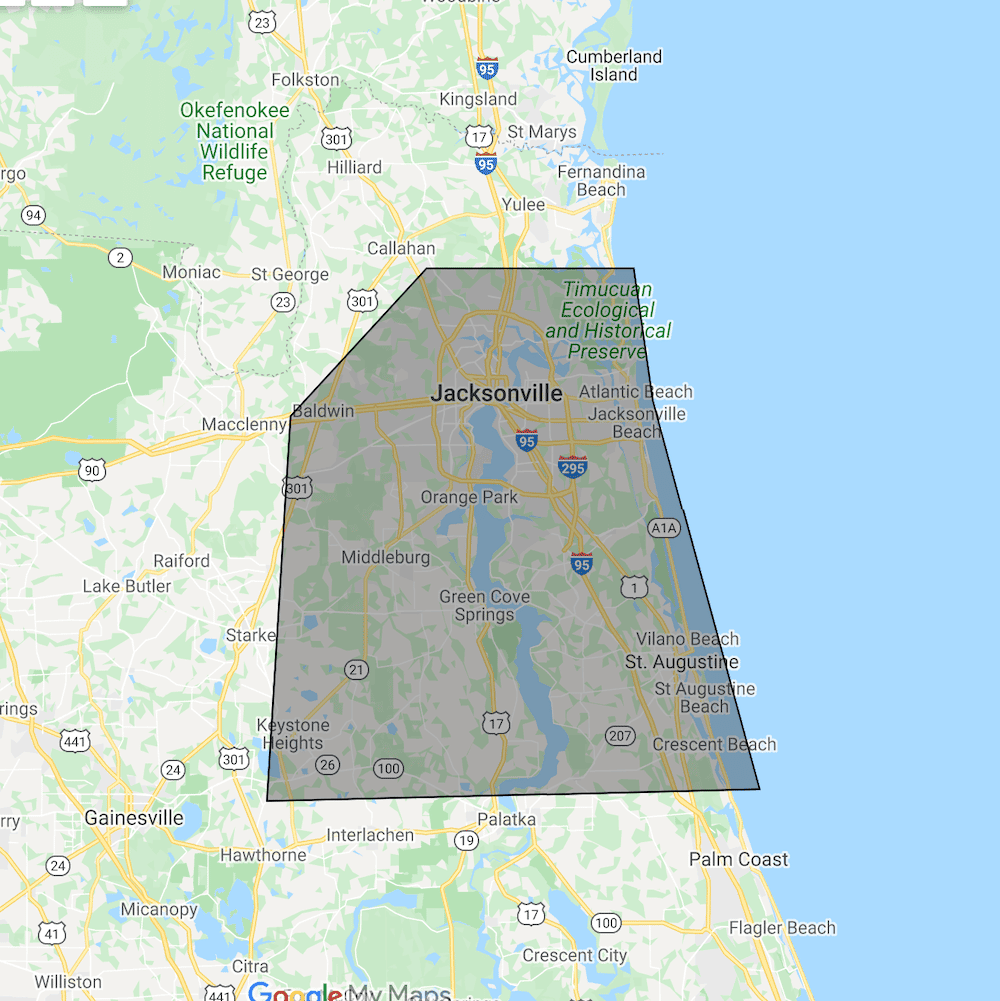
We complete wind mitigation inspections for homeowners across:
Jacksonville | Jacksonville Beach | St. Augustine | St. Augustine Beach | Ponte Vedra Beach | Orange Park | Atlantic Beach | Neptune Beach | And More
Explore More
Serving Northeast Florida Homeowners across St. John’s, Duval, and Clay Counties and beyond:
Jacksonville | Jacksonville Beach | Atlantic Beach | Neptune Beach | Fernandina Beach | Yulee | Callahan | Green Cove Springs | Fleming Island | Orange Park | Middleburg | Keystone Heights | St. Augustine | St. Augustine Beach | Ponte Vedra Beach | Palm Valley | Nocatee | Vilano Beach | Crescent Beach | Sawgrass | Hastings | St. Johns | Palm Coast | Beverly Beach | Flagler Beach | Bunnell | Palatka | Crescent City | Pomona Park | Melrose | Starke
How much does a wind mitigation inspection cost in Nocatee, FL?
The cost depends on your home’s size and age. Inside & Out Property Inspectors offers transparent, competitive pricing. Contact us for a free quote tailored to your property.
How long is a wind mitigation report valid?
Most Florida insurers accept a wind mitigation report for five years. That’s unless your roof or openings are replaced sooner.
Will a wind mitigation inspection lower my homeowners insurance in Nocatee?
Yes, in most cases. Savings depend on your home’s features and your insurer. Discounts often pay back the inspection cost within the first year.
Do newer Nocatee homes still need a wind mitigation inspection?Toggle Title
Yes. Insurers require the report itself, not just code compliance, to apply any discount. That’s true even for new construction.
What does a wind mitigation inspector check?
An inspector documents your roof covering, roof shape, and roof deck attachment. They also check roof-to-wall connections and opening protection. All findings go on the state’s official wind mitigation form. You can always ask your inspector any questions you have during the process.
Subscribe to receive a $25 discount on your first home inspection, and stay informed with the latest home care tips and updates.

Contact Inside & Out Property Inspectors Inc. today to schedule your home inspection with an InterNACHI Certified Professional Inspector in Northeast Florida.