What Causes Power Surges in Florida Homes?
A power surge can last less than a millisecond, but the damage it leaves behind can cost hundreds, sometimes thousands of dollars. If you’ve had an appliance die without explanation, noticed flickering lights during a storm, or come home to tripped breakers after a Florida afternoon thunderstorm, you’ve likely experienced one.
For homeowners in Jacksonville, St. Augustine, and across Northeast Florida, power surges aren’t a rare event. Florida leads the nation in lightning strikes, and the combination of aging electrical systems and the demands of year-round air conditioning creates conditions where surges are a genuine, ongoing risk. Understanding what causes power surges, what they damage, and what a home inspector actually evaluates helps you protect your home and make smarter decisions when buying or selling.
What Is a Power Surge?
A power surge is a sudden jump in electrical voltage that briefly exceeds what your home’s wiring and connected electrical devices are designed to handle.
Power surges are caused by sudden increases in voltage, often exceeding 169 volts in standard 120-volt systems. That excess voltage can destroy the sensitive electronics inside appliances, HVAC systems, and smart home devices in an instant.
What many homeowners don’t realize is that power surges can occur frequently. Low-level surges happen dozens or even hundreds of times each day, often without any visible signs of damage. Over time, this creates what some electricians call “electronic rust,” which is the gradual degradation of internal circuitry that shortens the lifespan of connected electrical devices well before their time.
What Causes Power Surges: Internal vs. External
Power surges fall into two broad categories, and knowing the difference matters for how you protect against them.
Roughly 60 to 80 percent of power surges are caused by internal activities within the home, meaning the biggest threat is often already inside your walls.
Internal Power Surges
Internal surges are the most common cause of day-to-day power surge damage. More than half of household power surges are internal, caused by devices with motors starting up or shutting off, which momentarily diverts electricity to and from other appliances on the same circuit.
- Large appliances cycling on and off are the primary culprit. High-energy devices like air conditioners, refrigerators, and washing machines cause internal surges due to their large power demands when their motors start. In Florida, where AC units run nearly year-round, these micro-surges happen constantly and gradually wreak havoc on sensitive electronics throughout the home.
- Overloaded circuits occur when too much power is drawn from a single circuit, often from overusing extension cords or plugging too many devices into the same circuit. A basic power strip without surge protection offers no defense against this. Circuit breakers frequently tripping on the same circuit is a clear signal that the circuit is being asked to do more than it was designed for.
- Faulty or outdated wiring is a significant internal cause of power surges. Damaged or exposed electrical wires lead to erratic currents and voltage spikes. Outdated wiring cannot manage modern electrical loads effectively.
In older Jacksonville neighborhoods, parts of Orange Park, and the historic areas of St. Augustine, inadequate wiring is more common than many buyers expect. This is also a fire risk, not just a surge risk.
External Power Surges
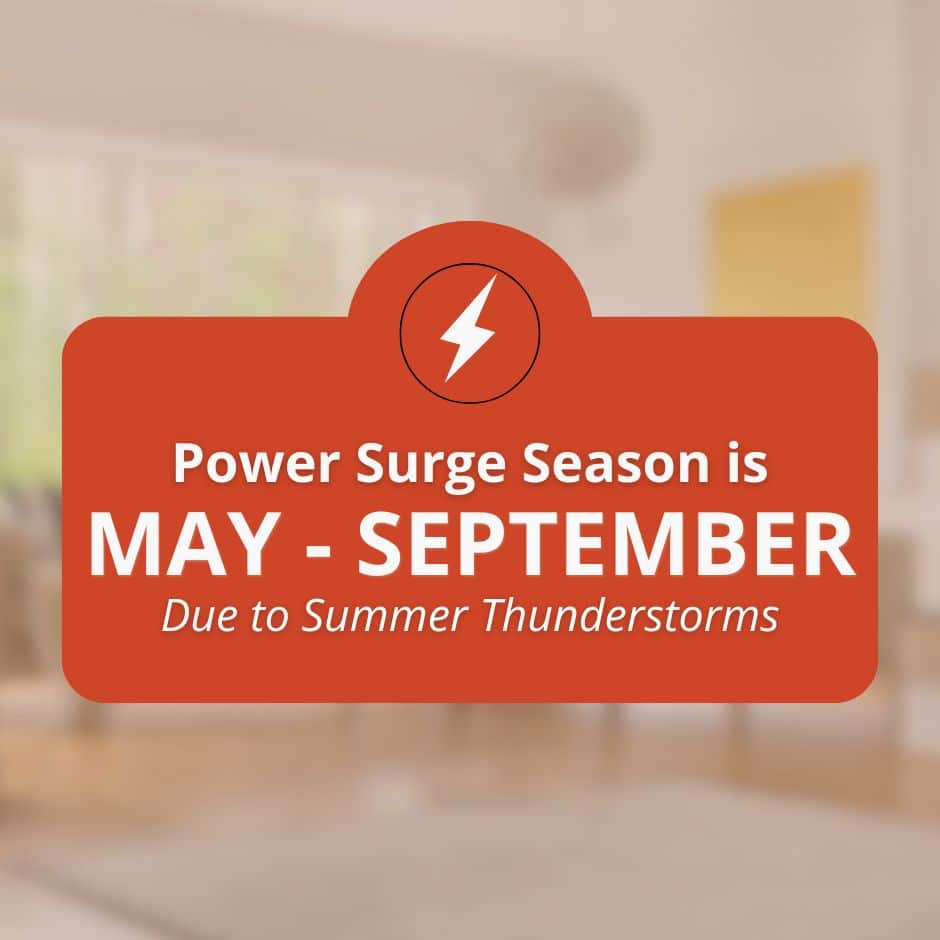
External power surges are commonly caused by lightning strikes, tree limbs touching power lines, vehicle accidents involving utility poles, or utility equipment failures, all of which can send excess voltage directly into your home.
- Lightning strikes are the most destructive. Florida is the lightning capital of the United States, and a direct strike on or near your home can send an overwhelming amount of voltage through power lines into your electrical system instantly. Even a strike that hits a power line several blocks away can travel through the grid and into connected electrical devices immediately.
- Power outages and restoration are a lesser-known external cause. Power surges can also occur when electricity is restored after a power outage, as the sudden influx of electrical current creates a voltage spike that can damage plugged-in devices. This is especially relevant in NE Florida during hurricane season, when outages and restorations happen repeatedly in short windows.
- Electric utility switching is another source that many homeowners never consider. Power companies’ switching processes to balance demand can cause brief voltage transients that travel into homes on the affected circuit.
What Power Surges Can Damage
Devices containing microprocessors, such as TVs, computers, microwaves, and smart home equipment, are particularly vulnerable, as even a 10-volt fluctuation can disrupt their functioning. In a modern home, it includes nearly every major device.
| Commonly Affected Items | Why They’re Vulnerable |
|---|---|
| HVAC systems | Complex circuit boards and motors |
| Refrigerators and dishwashers | Electronic controls and compressors |
| Computer equipment and TVs | Highly sensitive processors |
| Smart home devices | Always connected, always exposed |
| Tankless water heaters | Microprocessor-controlled |
| Pool pumps and equipment | Motor-driven, frequent power cycling |
| Digital clocks and small appliances | Constant low-level exposure |
Some surge damage is instantaneous; a device simply will not turn on after a significant power surge. Other damage accumulates invisibly, with electronic equipment becoming unreliable or failing years before expected.
How to Protect Your Home From Power Surges
A layered approach offers the best protection against both internal and external surges:
- A whole-house surge protector installed at the electrical panel by a certified electrician is the most effective defense against external power surges from lightning and utility events. Whole-house surge protector units are generally a worthwhile investment, especially in areas with a high number of lightning strikes, which describes most of Northeast Florida. It intercepts large voltage spikes before they reach your connected electrical devices.
- Point-of-use surge protective devices provide a critical secondary layer. Surge protectors at the outlet level, especially combined with a reliable grounding system, protect electrical devices from all but the most severe power surges. Look for a listed joule rating; a basic power strip without one offers no surge protection at all.
- Proper grounding is essential. A properly grounded electrical system gives excess voltage a safe path out of the home. Improper grounding is both a surge risk and a safety hazard.
- Unplug during storms because no surge protector guarantees full protection from a direct lightning strike. Unplugging sensitive electronics and computer equipment during severe weather remains the most reliable precaution.
What a Home Inspector Looks For
Home inspectors are not electricians. They do not open walls, probe wiring behind surfaces, or perform electrical diagnostic testing. What they do is conduct a thorough visual assessment of accessible components of the electrical system.
During a home inspection, the electrical evaluation includes:
- The electrical panel’s condition, brand, and signs of double-tapping or improper wiring
- Visible wiring in accessible areas, including the attic, crawlspace, and garage
- Outlets and switches function throughout the home
- GFCI and AFCI protection in required locations
- Evidence of overusing extension cords or DIY electrical work
- Presence or absence of whole-house surge protection
For Florida homes, the panel brand matters significantly. Federal Pacific and Zinsco panels are well-documented safety concerns and are frequently flagged by insurers as non-insurable. If you suspect faulty wiring or have concerns about your electric system, a home inspection is the right starting point, but a certified electrician is the appropriate next step for diagnosis and repair.
Power Surges and Florida Home Insurance
Florida insurers take electrical systems seriously. A 4-point inspection covering the electrical system, HVAC, plumbing, and roof is frequently required for older homes before a homeowner’s insurance policy can be issued or renewed. The electrical component looks specifically at panel type, wiring material, and overall condition.
Combining a full home inspection with a 4-point inspection when purchasing an older home in Jacksonville or St. Augustine gives you the most complete picture of the electrical system before closing.
Questions Homeowners Ask About Power Surges
Are internal surges really a bigger risk than lightning? For most homes, yes. While lightning damage is dramatic, internal power surges caused by large appliances like air conditioners cycling on and off cause far more cumulative damage over time. A whole-house protector addresses external surges, but point-of-use surge protective devices protect sensitive electronics from internal surges on the same circuit.
Does a home inspection catch surge-related electrical problems? A home inspection identifies visible issues that contribute to surge risk, such as outdated wiring, overloaded circuits, an inadequate or flagged electrical panel, and the absence of surge protection. It is a visual assessment, not a full electrical diagnostic. If issues are flagged, a certified electrician should evaluate further before you close.
Can a power surge cause a house fire? Yes, in some cases. A large power surge through faulty wiring or damaged exposed electrical wires can generate enough heat to ignite surrounding materials. This is why surge events in older homes should never be ignored, especially when accompanied by a burning smell or buzzing sound coming from the panel or walls.
What’s the difference between a surge and a power outage? A power outage is a complete loss of electrical power. A power surge is the opposite: a sudden jump in electrical voltage above normal levels. Both can damage devices, but surges cause more immediate hardware damage because of the excess voltage spike itself. During a pre-drywall inspection, we verify that your electrical panel is correctly grounded.
When to Call a Professional
If you are buying a home or have just moved in, look into a warranty inspection or home inspection with Inside & Out Property Inspectors. If any of the following are present in your home, contact a certified electrician:
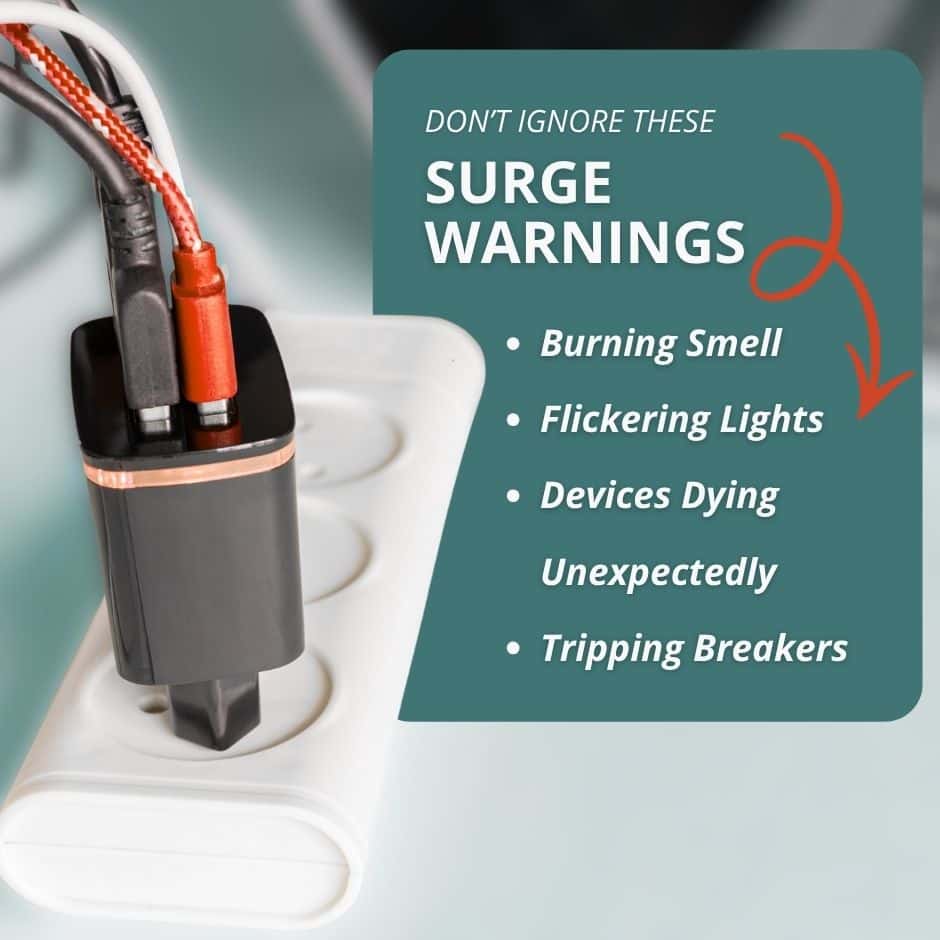
- Flickering lights or a buzzing sound with no clear cause
- Circuit breakers frequently trip on the same circuit
- A burning smell coming from outlets, the panel, or inside the walls
- Exposed electrical wires or outlets that feel warm to the touch
- Scorch marks or discoloration near any outlet or switch
Conclusion
For buyers and sellers across Jacksonville, St. Augustine, Nocatee, Ponte Vedra Beach, Fleming Island, Orange Park, and throughout Northeast Florida, Inside and Out Property Inspectors provides thorough home inspections covering the full electrical system.
We also offer 4-point inspections for insurance purposes, wind mitigation inspections, and a full range of specialty services to give you a complete picture of any property.
We’re inspectors, not electricians, and we’ll always be upfront about what a visual inspection can and cannot tell you. But knowing what to look for, what questions to ask, and when to bring in a specialist is exactly what a good inspection equips you to do.