Jacksonville Guide to Aluminum Wiring in House Risks
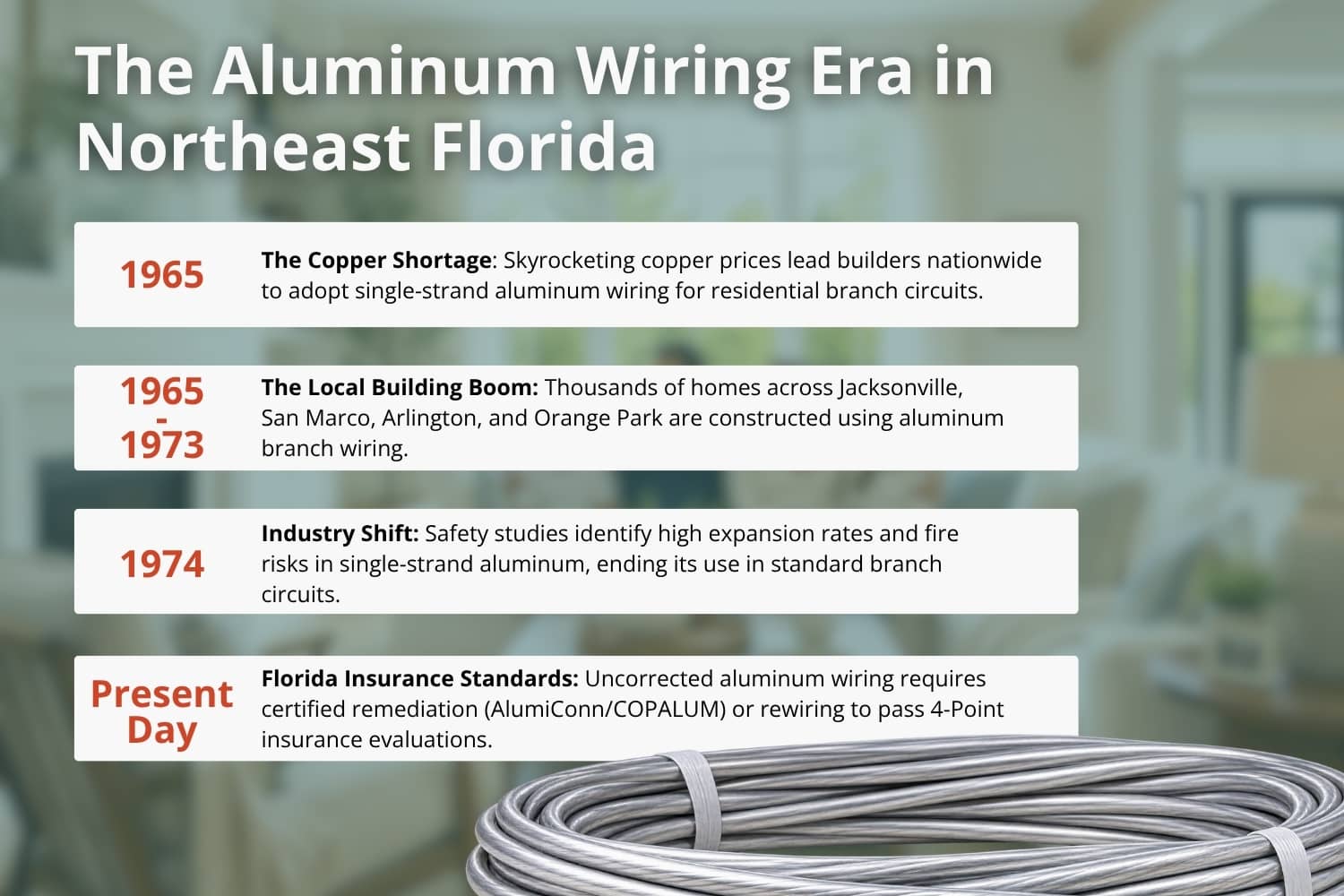
Buying or owning a home in Northeast Florida comes with a lot of excitement. From enjoying coastal breezes to settling into established neighborhoods, there is plenty to love. However, if your home was built between 1965 and 1973, you may face a hidden safety concern. Having aluminum wiring in house systems during this era was common across Jacksonville, Orange Park, and surrounding areas.
While aluminum carries electricity just like copper, single-strand aluminum wiring creates distinct safety hazards over time. As this wiring ages, it increases the risk of electrical fires and creates challenges for home insurance. Understanding how single-strand aluminum wiring works, why it causes problems, and what steps you can take will help keep your Northeast Florida home safe and insurable.
What Is Single-Strand Aluminum Wiring?
Single-strand aluminum wiring is a type of branch circuit wiring used in residential homes during the mid-1960s to the early 1970s. Builders used it as a low-cost alternative to copper during a time when copper prices soared. Branch circuits feed electricity directly to standard wall outlets, light switches, and light fixtures.
In Jacksonville neighborhoods established during that building boom, such as Arlington, San Marco, and parts of Westside, thousands of homes were wired using single-strand aluminum. While the metal conducts electricity well enough, it reacts very differently to heat and pressure compared to copper.
It is important to note that multi-strand aluminum wiring is still used safely today for main power feed lines and heavy appliance circuits. The primary safety concern centers entirely on single-strand branch wiring connected to everyday switches and outlets.
Why Having Single-Strand Aluminum Wiring in House Systems Creates Safety Risks
Single-strand aluminum wiring causes safety problems because of how the metal behaves inside electrical boxes over time. Unlike copper, aluminum expands and contracts rapidly when electric current flows through it.
Here are the main reasons why single-strand aluminum wiring creates hazards in homes:
High Thermal Expansion: Aluminum expands much more than copper when heated. Every time you turn on a light or plug in a vacuum, the wire warms up and expands. When turned off, it cools down and shrinks. This constant movement causes connections at switch terminals and outlet screws to loosen over time.
Oxidation and Rust: When aluminum meets oxygen, it forms aluminum oxide. Unlike copper oxide, which still conducts electricity, aluminum oxide acts as an insulator. This buildup creates electrical resistance, which generates excess heat inside wall boxes.
Metal Creep: Aluminum is a softer metal than copper. Under the constant pressure of a screw terminal inside an outlet, the wire gradually reshapes and flattens out. This process, known as creep, leads to loose electrical connections.
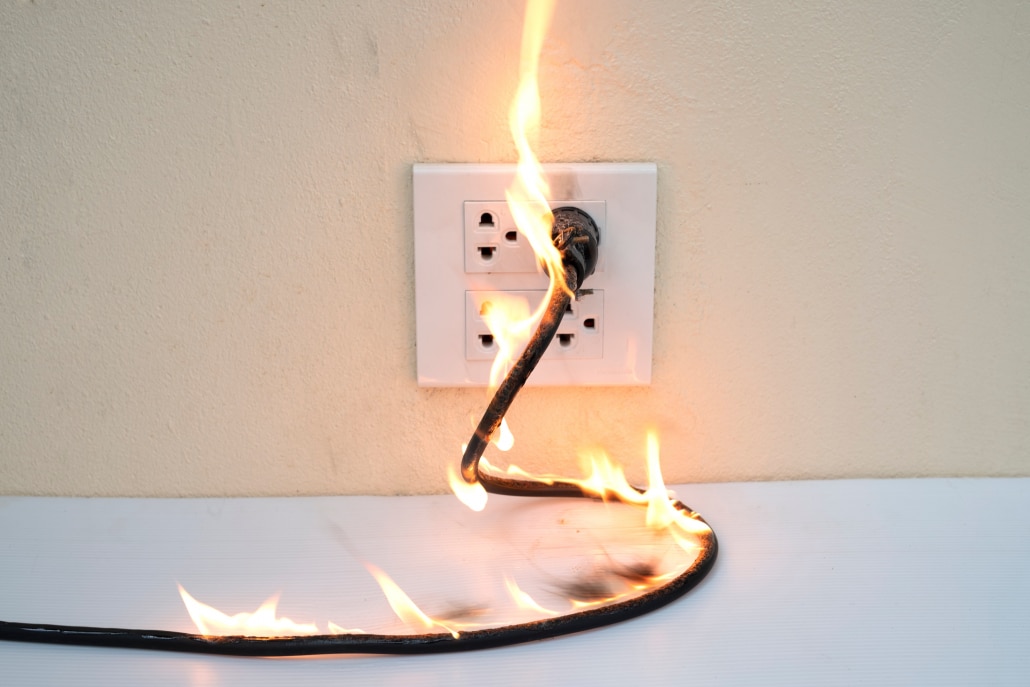
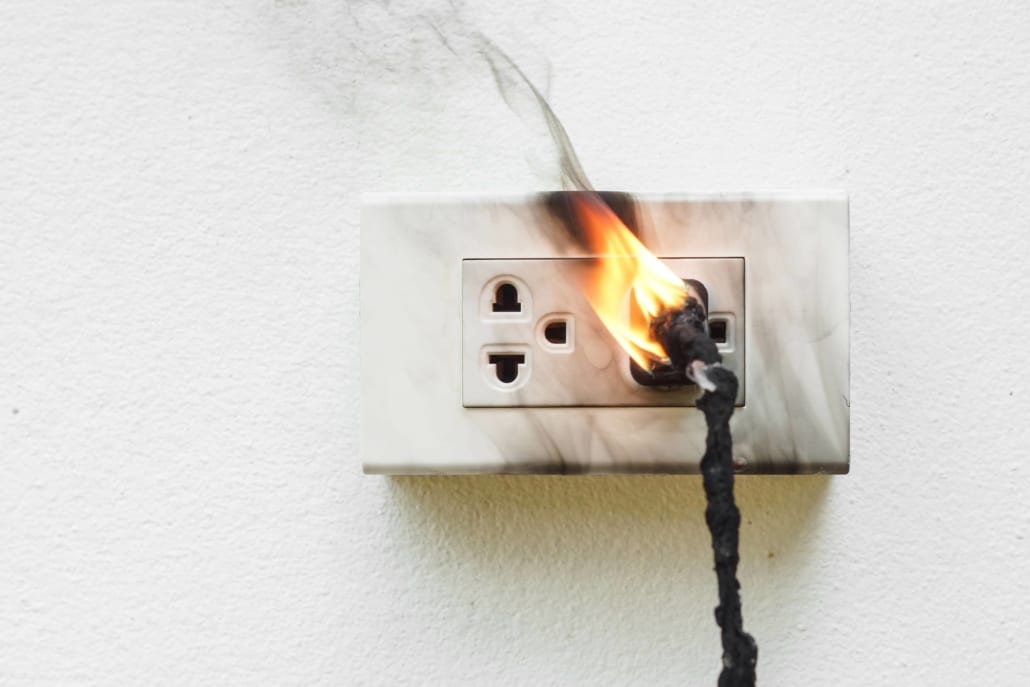
Electrical Arcing: Loose wires combined with high resistance cause electricity to jump across gaps. This jump is called an arc. Arcing creates extreme temperatures that easily melt plastic outlets, ignite wall insulation, or cause hidden fires behind drywall.
Over time, these combined issues turn simple everyday electrical use into a serious fire hazard hidden behind your walls.
How Aluminum Wiring Compares to Copper Wiring
To see why single-strand aluminum needs extra attention, it helps to compare its physical traits directly with copper wiring.
Up to 55 times more likely to reach fire conditions
Insurance Status
Accepted by all insurance carriers
Requires special inspections or approved repairs
These stark differences explain why insurance companies treat single-strand aluminum as a high safety risk and why proper evaluation is essential for your home.
Signs You May Have Aluminum Wiring in House Installations
You cannot always see the wires behind your walls, but several signs suggest your home might have single-strand aluminum wiring.
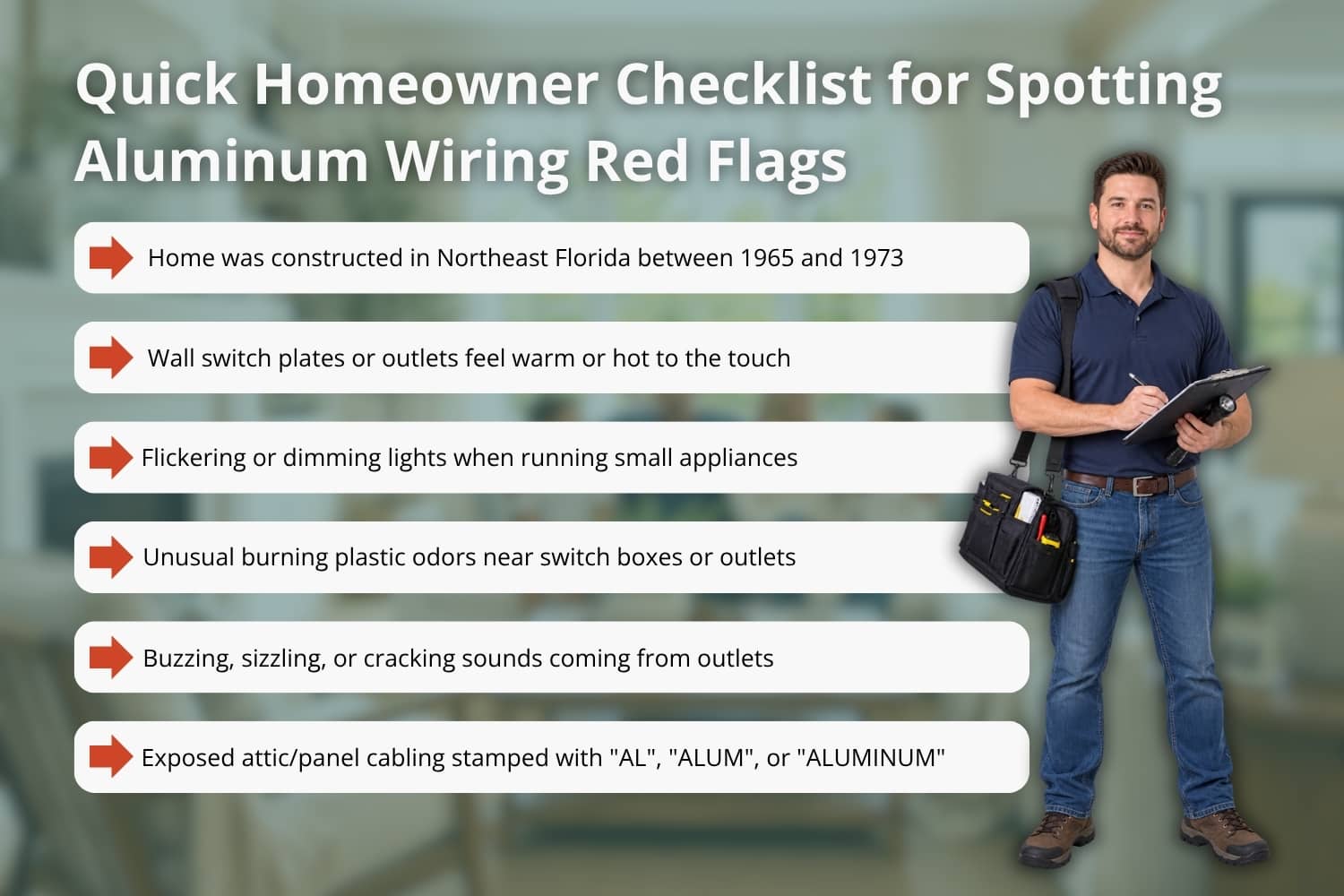
First, check the age of your house. If your Jacksonville home was constructed between 1965 and 1973, there is a strong chance aluminum branch wiring was used. Second, check for these warning signs around your home:
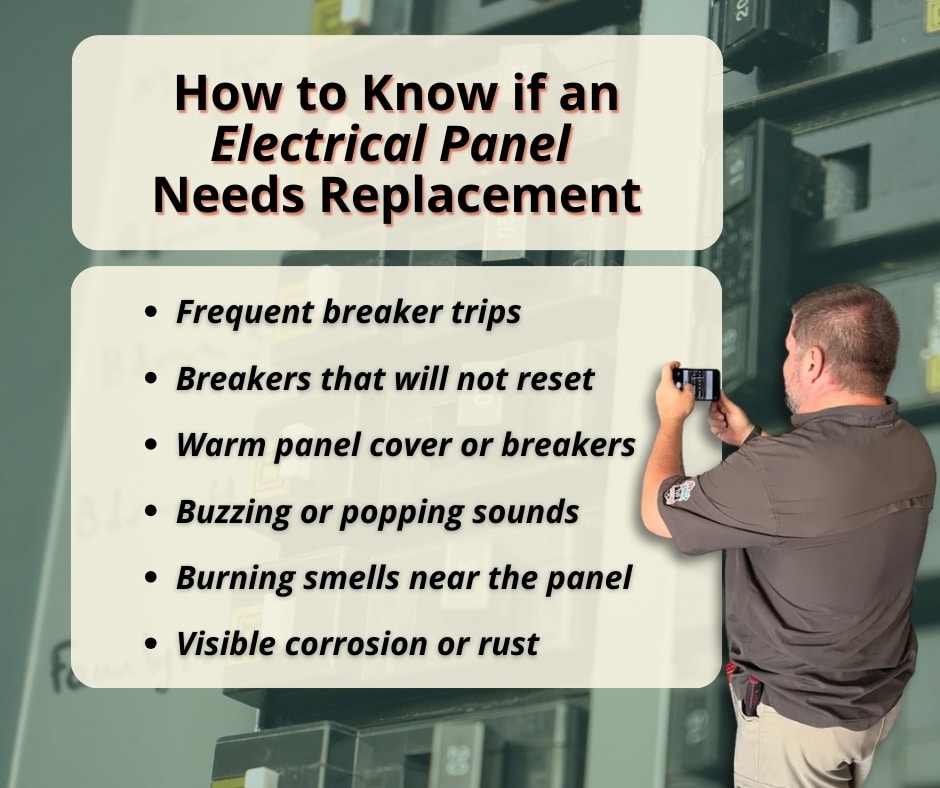
Wall switch plates or outlet covers that feel warm or hot to the touch.
A strange burning plastic smell near light switches or wall plugs.
Lights that flicker or dim randomly when small appliances turn on.
Outlets or switches that stop working for no obvious reason.
A soft buzzing or sizzle sound coming from inside switch boxes.
Static or interference on audio equipment and televisions.
If you open your main electrical panel or look at exposed wiring in the attic, you may see stamped markings on the plastic wire jacket. Look for letters such as AL, ALUM, or ALUMINUM stamped every few feet along the outer sheath.
Florida Home Insurance Challenges with Aluminum Wiring
Securing home insurance in Florida requires extra effort, and having aluminum wiring in house circuits makes it even more challenging. Insurance companies across Duval County, St. Johns County, and Clay County closely review electrical systems before issuing policies.
Most Florida home insurance carriers require a specialized 4-Point Inspection for homes older than 20 years. During this 4-Point inspection, the inspector examines four critical systems: the roof, plumbing, HVAC, and electrical wiring.
If single-strand aluminum wiring is present, many insurance carriers will refuse coverage until the system is evaluated by a licensed professional or repaired using approved remediation methods. Insurance companies view uncorrected aluminum wiring as a high risk for electrical fires. Leaving it unaddressed can result in policy denial, non-renewal, or significantly higher premium rates.
How Home Inspectors Find Aluminum Wiring Risks
A standard visual home inspection offers a great start, but thorough property inspectors use advanced technology to spot hidden electrical hazards without damaging your walls.
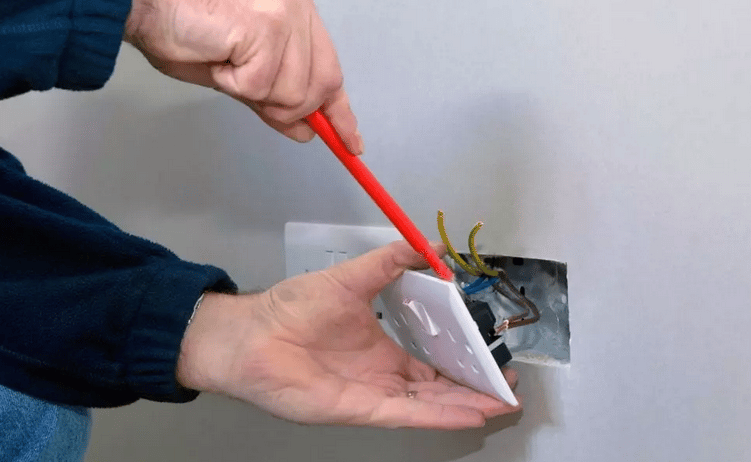
During a professional inspection, your inspector will remove panel covers, inspect branch wiring connections, and look for signs of overheating. They will also verify whether any past repairs were done using proper, safety-tested methods or dangerous DIY fixes.
Using a Thermography Inspection (thermal imaging) adds an extra layer of protection. Infrared cameras detect hidden temperature differences behind walls, inside switch boxes, and across breaker panels. Because loose aluminum connections generate heat long before they smoke or spark, thermal imaging spots hot spots invisible to the human eye. This gives you clear answers about your electrical safety before a small issue turns into a real emergency.
Safe Fixes for Aluminum Wiring in House Systems
If your home has aluminum branch wiring, you do not always need to tear down your drywall to replace every single line. Modern engineering provides safe, approved solutions that bring your home up to safety standards without a total teardown.
Here are the primary ways to address single-strand aluminum wiring safely:
1. Complete Home Rewiring
Replacing all single-strand aluminum branch wiring with modern copper wire is the permanent solution. While this is the most costly and invasive option, it eliminates the risk and provides total peace of mind. It also makes getting home insurance fast and straightforward.
2. COPALUM Crimp Connectors
The COPALUM connector method uses a special crimping tool to attach a short piece of copper wire (a pigtail) to the end of the aluminum wire. The copper tail then connects safely to standard wall outlets and switches. This system creates a cold-weld connection that prevents oxidation and loosening. It requires an electrician certified specifically for this specialized system.
3. AlumiConn Connectors
AlumiConn lug connectors offer another widely approved method for pigtailing. Each wire enters its own separate port with a mechanical screw coated in a special antioxidant gel. This prevents the aluminum and copper wires from touching directly, stopping galvanic corrosion and keeping connections secure.
4. CO/ALR Devices
In smaller projects, replacing outlets and switches with devices specifically labeled CO/ALR (meaning Copper/Aluminum Revised) helps improve safety. These devices use materials designed to expand and contract at rates similar to aluminum. However, this is usually considered a temporary fix rather than a full system remediation for insurance purposes.
Warning: Never use standard twist-on wire nuts (even wire nuts filled with antioxidant grease) to connect aluminum wire directly to copper wire. Standard wire connectors loosen quickly and represent a major fire hazard.
Related Questions to Explore
What other electrical and structural issues do insurance companies look for during an inspection?
Beyond wiring, insurance providers often require a 4-point inspection to evaluate the age and condition of the roof, heating and cooling system, and plumbing lines. Outdated electrical panels, polybutylene pipes, or older roofs can trigger similar insurance hurdles.
How can inspectors detect hidden home defects without tearing open walls?
Thermal imaging inspections use infrared technology to detect subtle temperature changes behind walls and ceilings. This non-invasive tool helps spot missing insulation, hidden plumbing leaks, moisture intrusion, and dangerous electrical hot spots early.
What additional specialized inspections should home buyers consider in Northeast Florida?
Standard home inspections cover major structural and mechanical systems, but specialized checks offer deeper protection. Adding sewer scope inspections checks main drain lines for blockages, while mold inspections and wind mitigation assessments help identify hidden environmental hazards and qualify buyers for insurance discounts.
How does moisture impact older homes in Jacksonville?
Coastal humidity and heavy rainfall can degrade exterior cladding over time. Professional stucco inspections and moisture testing help detect trapped water behind walls that leads to wood rot, structural framing damage, or poor indoor air quality.
When to Call a Professional
Dealing with electrical safety is never a DIY job. If you live in or are planning to purchase an older home in Jacksonville, St. Augustine, or surrounding Northeast Florida communities, scheduling a professional inspection is the safest first step.
You should contact a professional property inspector if:
You are buying or selling a home built between 1965 and 1973.
Your home insurance company is requesting a 4-Point Inspection or an electrical certification.
You notice warm switch plates, flickering lights, or burning plastic odors near outlets.
You want to evaluate previous electrical work to ensure it meets modern safety standards.
Professional inspectors deliver clear, detailed reports that give you the exact information you need to make smart home repairs and protect your property investment.
Ensuring Electrical Safety in Your Northeast Florida Home
Understanding the risks associated with single-strand aluminum wiring in house setups gives you the power to take smart, proactive steps. While uncorrected aluminum wiring presents real fire hazards and insurance challenges, modern remediation techniques make these systems safe and insurable once again.
If you are buying a home, preparing for an insurance review, or simply looking for peace of mind in your current house, expert guidance makes all the difference. Contact Inside & Out Property Inspectors INC. today to schedule a detailed home inspection, 4-Point inspection, or thermal imaging assessment across Northeast Florida. Our team helps you spot hidden issues early so you can keep your home safe, comfortable, and fully protected.
https://insideandoutpropertyinspectors.com/wp-content/uploads/2026/09/Jacksonville-Guide-to-Aluminum-Wiring-in-House-Risks.jpg10001500BJ Johnsonhttps://d39oyu4lp7snwz.cloudfront.net/wp-content/uploads/sites/54/2019/08/31171419/io-favicon-300x300.pngBJ Johnson2026-09-02 13:26:352026-09-16 20:53:32Jacksonville Guide to Aluminum Wiring in House Risks
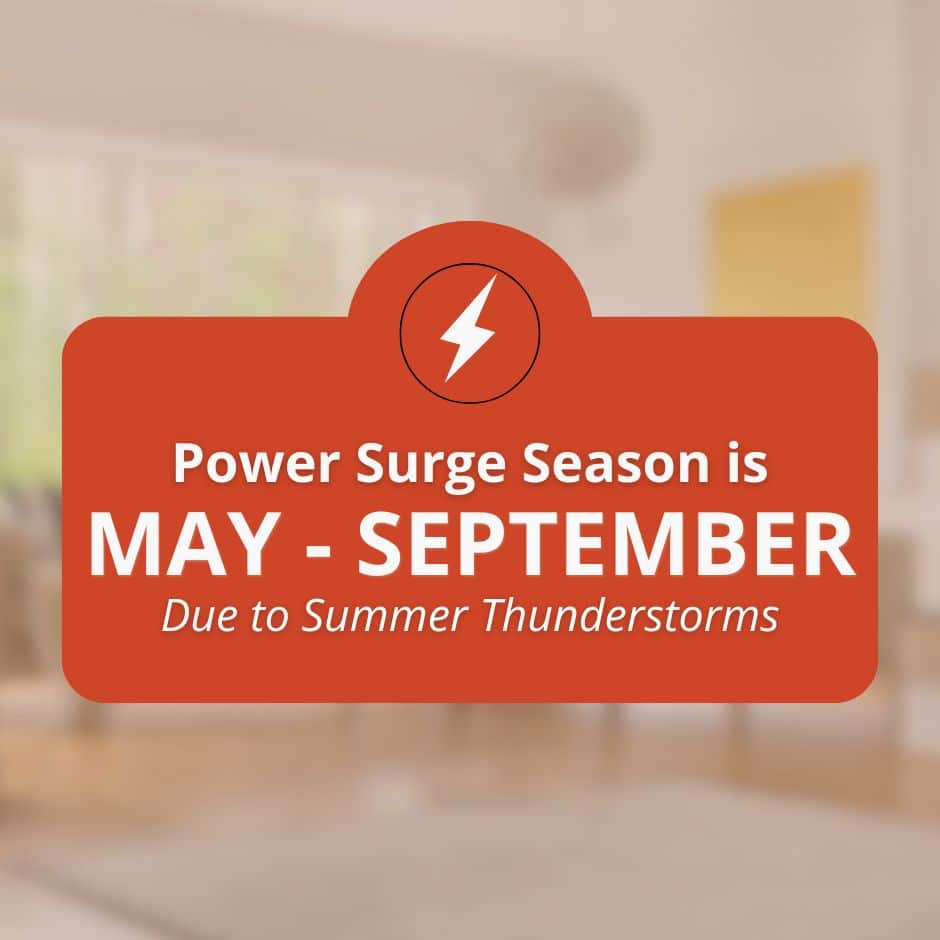
A power surge can last less than a millisecond, but the damage it leaves behind can cost hundreds, sometimes thousands of dollars. If you’ve had an appliance die without explanation, noticed flickering lights during a storm, or come home to tripped breakers after a Florida afternoon thunderstorm, you’ve likely experienced one.
For homeowners in Jacksonville, St. Augustine, and across Northeast Florida, power surges aren’t a rare event. Florida leads the nation in lightning strikes, and the combination of aging electrical systems and the demands of year-round air conditioning creates conditions where surges are a genuine, ongoing risk. Understanding what causes power surges, what they damage, and what a home inspector actually evaluates helps you protect your home and make smarter decisions when buying or selling.
What Is a Power Surge?
A power surge is a sudden jump in electrical voltage that briefly exceeds what your home’s wiring and connected electrical devices are designed to handle.
Power surges are caused by sudden increases in voltage, often exceeding 169 volts in standard 120-volt systems. That excess voltage can destroy the sensitive electronics inside appliances, HVAC systems, and smart home devices in an instant.
What many homeowners don’t realize is that power surges can occur frequently. Low-level surges happen dozens or even hundreds of times each day, often without any visible signs of damage. Over time, this creates what some electricians call “electronic rust,” which is the gradual degradation of internal circuitry that shortens the lifespan of connected electrical devices well before their time.
What Causes Power Surges: Internal vs. External
Power surges fall into two broad categories, and knowing the difference matters for how you protect against them.
Roughly 60 to 80 percent of power surges are caused by internal activities within the home, meaning the biggest threat is often already inside your walls.
Internal Power Surges
Internal surges are the most common cause of day-to-day power surge damage. More than half of household power surges are internal, caused by devices with motors starting up or shutting off, which momentarily diverts electricity to and from other appliances on the same circuit.
Large appliances cycling on and off are the primary culprit. High-energy devices like air conditioners, refrigerators, and washing machines cause internal surges due to their large power demands when their motors start. In Florida, where AC units run nearly year-round, these micro-surges happen constantly and gradually wreak havoc on sensitive electronics throughout the home.
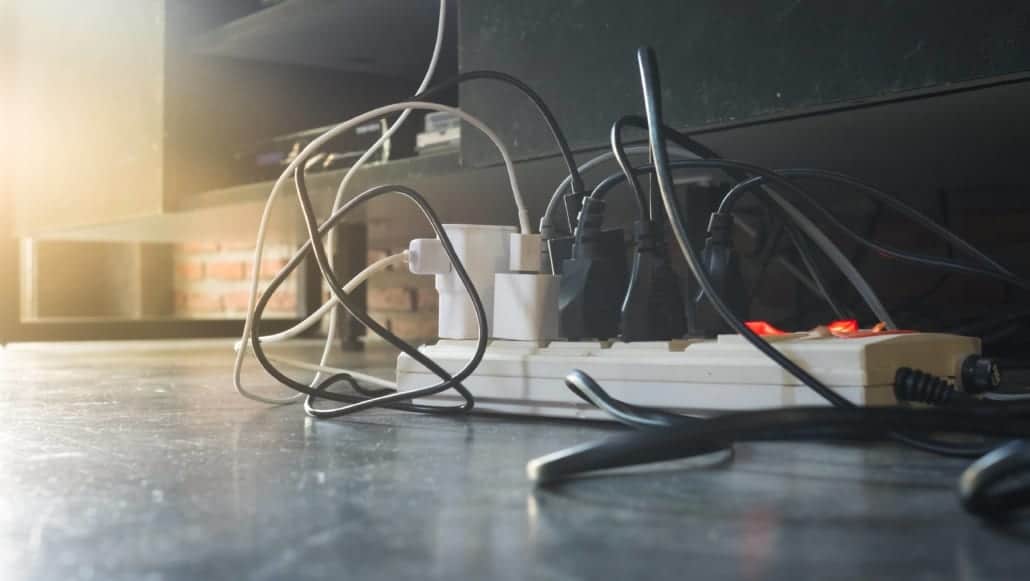
Overloaded circuits occur when too much power is drawn from a single circuit, often from overusing extension cords or plugging too many devices into the same circuit. A basic power strip without surge protection offers no defense against this. Circuit breakers frequently tripping on the same circuit is a clear signal that the circuit is being asked to do more than it was designed for.
Faulty or outdated wiring is a significant internal cause of power surges. Damaged or exposed electrical wires lead to erratic currents and voltage spikes. Outdated wiring cannot manage modern electrical loads effectively.
In older Jacksonville neighborhoods, parts of Orange Park, and the historic areas of St. Augustine, inadequate wiring is more common than many buyers expect. This is also a fire risk, not just a surge risk.
External Power Surges
External power surges are commonly caused by lightning strikes, tree limbs touching power lines, vehicle accidents involving utility poles, or utility equipment failures, all of which can send excess voltage directly into your home.
Lightning strikes are the most destructive. Florida is the lightning capital of the United States, and a direct strike on or near your home can send an overwhelming amount of voltage through power lines into your electrical system instantly. Even a strike that hits a power line several blocks away can travel through the grid and into connected electrical devices immediately.
Power outages and restoration are a lesser-known external cause. Power surges can also occur when electricity is restored after a power outage, as the sudden influx of electrical current creates a voltage spike that can damage plugged-in devices. This is especially relevant in NE Florida during hurricane season, when outages and restorations happen repeatedly in short windows.
Electric utility switching is another source that many homeowners never consider. Power companies’ switching processes to balance demand can cause brief voltage transients that travel into homes on the affected circuit.
What Power Surges Can Damage
Devices containing microprocessors, such as TVs, computers, microwaves, and smart home equipment, are particularly vulnerable, as even a 10-volt fluctuation can disrupt their functioning. In a modern home, it includes nearly every major device.
Some surge damage is instantaneous; a device simply will not turn on after a significant power surge. Other damage accumulates invisibly, with electronic equipment becoming unreliable or failing years before expected.
How to Protect Your Home From Power Surges
A layered approach offers the best protection against both internal and external surges:
A whole-house surge protector installed at the electrical panel by a certified electrician is the most effective defense against external power surges from lightning and utility events. Whole-house surge protector units are generally a worthwhile investment, especially in areas with a high number of lightning strikes, which describes most of Northeast Florida. It intercepts large voltage spikes before they reach your connected electrical devices.
Point-of-use surge protective devices provide a critical secondary layer. Surge protectors at the outlet level, especially combined with a reliable grounding system, protect electrical devices from all but the most severe power surges. Look for a listed joule rating; a basic power strip without one offers no surge protection at all.
Proper grounding is essential. A properly grounded electrical system gives excess voltage a safe path out of the home. Improper grounding is both a surge risk and a safety hazard.
Unplug during storms because no surge protector guarantees full protection from a direct lightning strike. Unplugging sensitive electronics and computer equipment during severe weather remains the most reliable precaution.
What a Home Inspector Looks For
Home inspectors are not electricians. They do not open walls, probe wiring behind surfaces, or perform electrical diagnostic testing. What they do is conduct a thorough visual assessment of accessible components of the electrical system.
During a home inspection, the electrical evaluation includes:
The electrical panel’s condition, brand, and signs of double-tapping or improper wiring
Visible wiring in accessible areas, including the attic, crawlspace, and garage
Evidence of overusing extension cords or DIY electrical work
Presence or absence of whole-house surge protection
For Florida homes, the panel brand matters significantly. Federal Pacific and Zinsco panels are well-documented safety concerns and are frequently flagged by insurers as non-insurable. If you suspect faulty wiring or have concerns about your electric system, a home inspection is the right starting point, but a certified electrician is the appropriate next step for diagnosis and repair.
Power Surges and Florida Home Insurance
Florida insurers take electrical systems seriously. A 4-point inspection covering the electrical system, HVAC, plumbing, and roof is frequently required for older homes before a homeowner’s insurance policy can be issued or renewed. The electrical component looks specifically at panel type, wiring material, and overall condition.
Combining a full home inspection with a 4-point inspection when purchasing an older home in Jacksonville or St. Augustine gives you the most complete picture of the electrical system before closing.
Questions Homeowners Ask About Power Surges
Are internal surges really a bigger risk than lightning? For most homes, yes. While lightning damage is dramatic, internal power surges caused by large appliances like air conditioners cycling on and off cause far more cumulative damage over time. A whole-house protector addresses external surges, but point-of-use surge protective devices protect sensitive electronics from internal surges on the same circuit.
Does a home inspection catch surge-related electrical problems? A home inspection identifies visible issues that contribute to surge risk, such as outdated wiring, overloaded circuits, an inadequate or flagged electrical panel, and the absence of surge protection. It is a visual assessment, not a full electrical diagnostic. If issues are flagged, a certified electrician should evaluate further before you close.
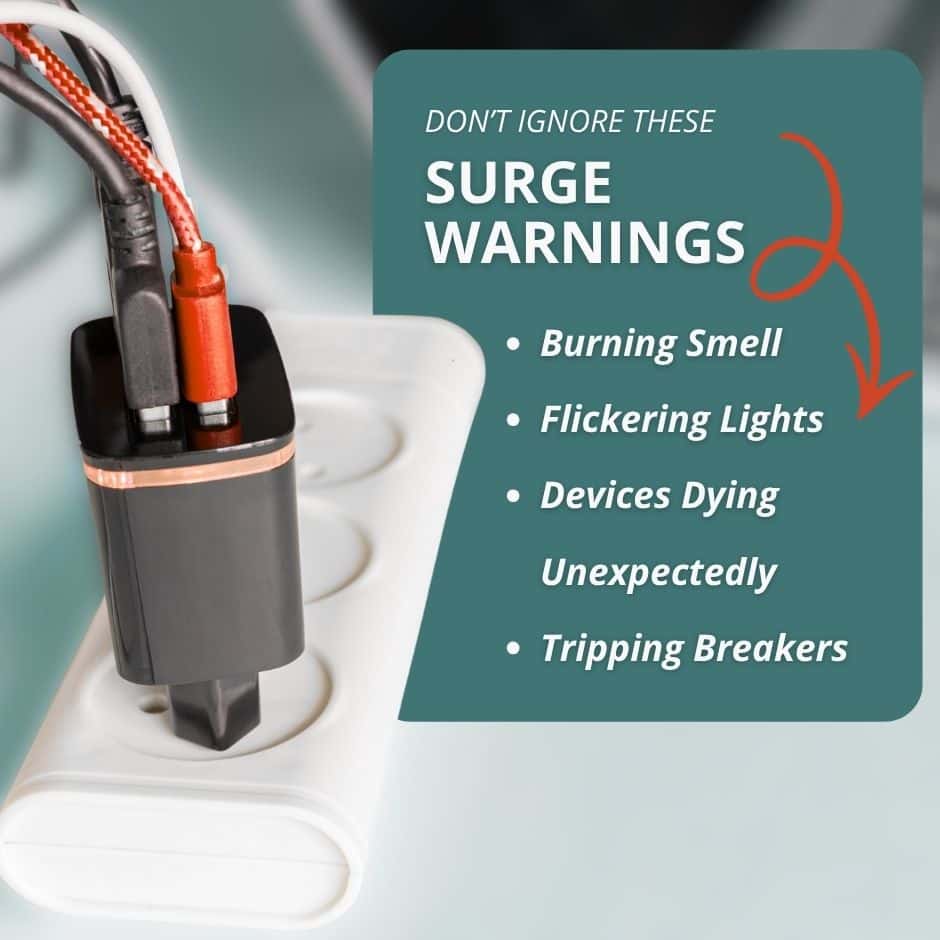
Can a power surge cause a house fire? Yes, in some cases. A large power surge through faulty wiring or damaged exposed electrical wires can generate enough heat to ignite surrounding materials. This is why surge events in older homes should never be ignored, especially when accompanied by a burning smell or buzzing sound coming from the panel or walls.
What’s the difference between a surge and a power outage? A power outage is a complete loss of electrical power. A power surge is the opposite: a sudden jump in electrical voltage above normal levels. Both can damage devices, but surges cause more immediate hardware damage because of the excess voltage spike itself. During a pre-drywall inspection, we verify that your electrical panel is correctly grounded.
When to Call a Professional
If you are buying a home or have just moved in, look into a warranty inspection or home inspection with Inside & Out Property Inspectors. If any of the following are present in your home, contact a certified electrician:
Flickering lights or a buzzing sound with no clear cause
Circuit breakers frequently trip on the same circuit
A burning smell coming from outlets, the panel, or inside the walls
Exposed electrical wires or outlets that feel warm to the touch
Scorch marks or discoloration near any outlet or switch
Conclusion
For buyers and sellers across Jacksonville, St. Augustine, Nocatee, Ponte Vedra Beach, Fleming Island, Orange Park, and throughout Northeast Florida, Inside and Out Property Inspectors provides thorough home inspections covering the full electrical system.
We also offer 4-point inspections for insurance purposes, wind mitigation inspections, and a full range of specialty services to give you a complete picture of any property.
We’re inspectors, not electricians, and we’ll always be upfront about what a visual inspection can and cannot tell you. But knowing what to look for, what questions to ask, and when to bring in a specialist is exactly what a good inspection equips you to do.
Understanding why some electrical panel types are considered non-insurable helps you prepare for inspections, avoid last-minute surprises, and make informed decisions about safety and insurance.
Electrical panels are rarely top of mind for homeowners. If the lights turn on and the outlets work, the panel itself is easy to ignore. That changes quickly during a home inspection or insurance review, when certain electrical panels are flagged as non-insurable.
For buyers, sellers, and homeowners in Jacksonville and surrounding areas, this can be surprising and stressful. A panel may appear to function normally and still raise concerns with insurance companies. In Florida’s current insurance environment, those concerns can delay closings, affect coverage options, or require upgrades sooner than expected.
What Does “Non-Insurable Electrical Panel” Actually Mean?
When an electrical panel is labeled non-insurable, it does not mean the panel is illegal or automatically unsafe. It means many insurance providers consider that specific panel type to present a higher risk based on documented performance history, testing data, or claims trends.
Insurance companies evaluate risk differently from building departments. Their goal is to limit losses before they occur. If a panel design shows a higher likelihood of failure during overloads or short circuits, insurers may refuse coverage or require replacement as a condition of the policy.
From an inspection perspective, this designation is about transparency. Inspectors identify the panel type and document known concerns so homeowners understand how it may affect safety and insurability.
Why Insurance Companies Pay Close Attention to Electrical Panels
Electrical fires remain a leading cause of residential fire damage. According to national fire data, electrical distribution systems are consistently among the top causes of home fire losses.
The electrical panel is designed to act as a safety gatekeeper. It should:
Distribute electricity safely throughout the home
Interrupt power during overloads or faults
Protect wiring from overheating
When a panel does not reliably perform these functions, the risk of fire increases significantly. Insurance companies rely on long-term loss data rather than appearance alone. Even panels that look clean and well-maintained may be flagged if internal components have a history of failure.
In Florida, insurers often scrutinize electrical systems more closely due to higher claim volumes and tighter underwriting standards.
Panel Type Matters More Than Age Alone
Age is often blamed for panel issues, but design and manufacturing history are usually more important.
Some older panels continue to perform safely when properly installed and maintained. Others contain design flaws that increase failure risk regardless of age or condition.
Homes today use far more electricity than homes built decades ago. Older panel designs may not be equipped to handle current demand safely, even if they appear functional.
Common Electrical Panels Often Flagged as Non-Insurable
Inspectors commonly encounter a small group of non-insurable electrical panel types that insurance companies frequently flag due to known concerns.
These include:
Federal Pacific Electric panels
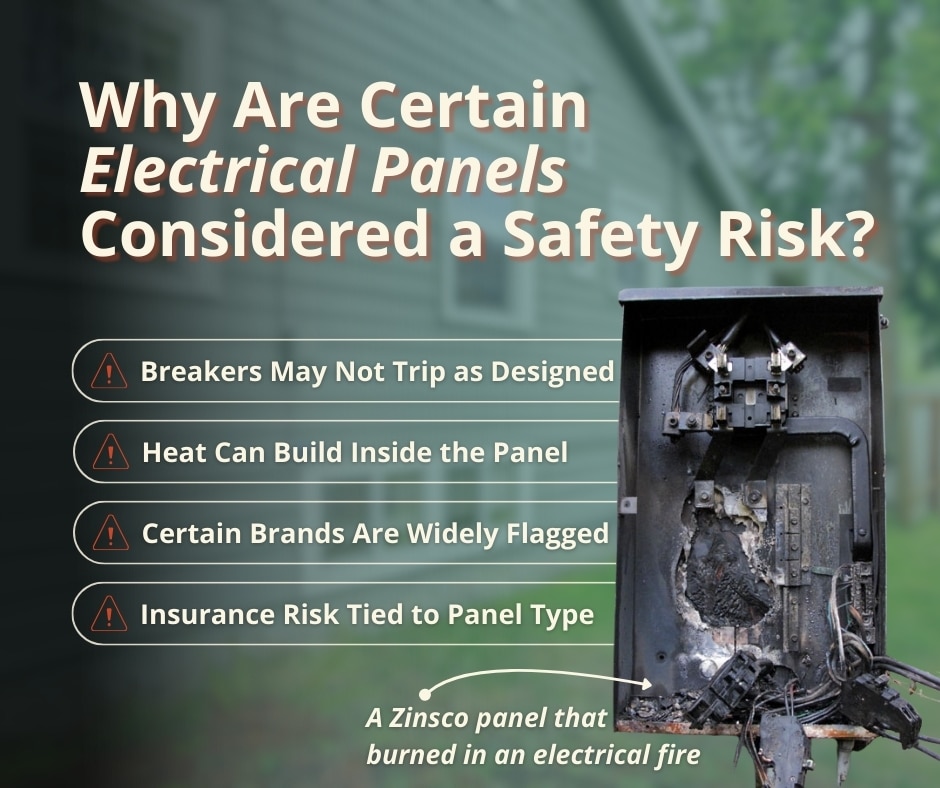
Zinsco panels
Challenger panels
Certain older Pushmatic panels
Each of these panels has a documented history that affects how insurers evaluate risk, regardless of visible condition.
Why Federal Pacific Panels Are a Frequent Concern
Federal Pacific Electric panels are one of the most widely recognized non-insurable panel types. The primary concern involves breaker performance under fault conditions.
Independent testing and field experience have shown that some Federal Pacific breakers fail to trip during overloads or short circuits. When breakers do not trip, wiring can overheat without interruption, increasing fire risk inside walls and panel cabinets.
Because this failure happens internally, the panel may appear to function normally until a dangerous event occurs. This uncertainty is why insurers often require replacement rather than repair.
Why Zinsco and Similar Panels Are Flagged
Zinsco panels raise concerns for different reasons. Over time, some Zinsco breakers have been found to fuse to the bus bar instead of disconnecting properly.
When this occurs:
Power may not shut off when needed
Heat can build at connection points
Damage can progress without a visible warning
These issues are not always detectable during a visual inspection, which makes risk harder to predict. As a result, many insurers treat Zinsco panels as high risk even when no outward damage is present.
Why a Panel Can Appear to Work and Still Be a Problem
One of the most confusing aspects for homeowners is being told a panel is an issue even though everything seems fine.
Electrical panels are designed for abnormal conditions, not everyday use. The real test occurs during faults, overloads, or short circuits. Panels with known failure histories may operate normally until the moment they are needed most.
Inspectors flag these panels because the risk exists even without symptoms. Insurance companies focus on the probability of failure, not whether failure has already occurred.
How Inspectors Identify Non-Insurable Panels
During a home inspection, inspectors do more than confirm that power is present. They identify the panel brand, model, and configuration, and evaluate overall condition.
When a known high-risk panel is present, it is documented so homeowners understand potential insurance implications. Inspectors do not determine insurance approval, but they provide the information insurers rely on.
Why Non-Insurable Panels Matter in Real Estate Transactions
Electrical panel issues often surface during buying or selling, when timelines are tight, and insurance approval is critical.
In Jacksonville and surrounding areas, where insurance approval is often tied to closing, panel issues can quickly become deal-impacting.
Code Compliance vs Insurance Requirements
A panel can meet building code requirements and still be considered non-insurable. This disconnect often frustrates homeowners.
Building codes focus on installation standards at the time a home was built or remodeled. Insurance requirements focus on current risk based on performance data and claims history.
This explains why a panel may pass a municipal inspection yet still be rejected by insurers. Code compliance does not override documented risk.
How Florida Insurance Trends Affect Panel Decisions
Florida’s insurance market has tightened significantly in recent years. Insurers are reducing exposure by applying stricter underwriting guidelines, especially for older homes and electrical systems.
As a result, panel types that may have been accepted in the past are now more frequently flagged. Identifying these issues early through inspection helps homeowners plan upgrades on their timeline instead of reacting under pressure.
When Replacement Is Typically Recommended
Inspectors do not perform electrical repairs, but they may recommend further evaluation by a licensed electrician.
Replacing a high-risk panel often improves safety, insurability, and resale confidence.
Common Misunderstandings About Non-Insurable Panels
Many homeowners believe visible damage must be present for a panel to be a concern. Others assume insurers will make exceptions if the panel appears clean.
In reality, insurers rely on panel type, documented failure rates, and historical data. Appearance alone does not outweigh known risk factors.
Other Related Questions
How does a home inspection evaluate electrical safety overall?
Inspectors review the main panel, subpanels, wiring methods, visible connections, and safety concerns to provide a broad assessment of electrical system condition.
What electrical issues most often affect insurance approval in Florida?
Panel type, outdated wiring methods, and signs of overheating are common factors that influence insurance decisions.
What other systems are reviewed during a full home inspection?
Inspectors also evaluate roofing, structure, plumbing, HVAC, and other major components that affect safety and value.
You want a complete evaluation of electrical and structural systems
Electrical concerns may affect other areas of the property
Inspectors identify issues, document conditions, and explain implications. They do not perform repairs or upgrades.
A licensed electrician is needed when:
A panel has been flagged for further evaluation
Replacement or upgrades are required
Electrical repairs are needed to meet insurance or safety requirements
Understanding the difference helps homeowners move forward efficiently.
Conclusion
Certain electrical panels are considered non-insurable because of documented safety and performance concerns, not because they suddenly stop working. Insurance companies focus on risk, and panel type plays a major role in that evaluation.
For homeowners in Jacksonville and surrounding areas, identifying these issues early helps avoid delays, unexpected costs, and insurance complications.
Inside & Out Property Inspectors provides clear, unbiased insight into electrical system concerns so homeowners can make informed decisions with confidence. Book your inspection today.
https://insideandoutpropertyinspectors.com/wp-content/uploads/2026/01/non-insurable-electrical-panels.jpg10001500BJ Johnsonhttps://d39oyu4lp7snwz.cloudfront.net/wp-content/uploads/sites/54/2019/08/31171419/io-favicon-300x300.pngBJ Johnson2026-01-14 15:00:382026-08-24 19:40:22Why Are Certain Electrical Panels Non-Insurable in a Home?
Electrical systems are an essential part of every home, but many homeowners feel a bit lost when it comes to understanding how they work. Knowing the most common electrical terms can help you avoid common issues, improve home safety, and make more informed decisions when it’s time to call in a professional.
Whether you’re troubleshooting, planning an upgrade, or just curious, understanding the key terms below can make a shocking difference. Let’s jump in!
Why Knowing Your Electrical Terms Matters
If you’ve ever tried to troubleshoot a tripped breaker or figure out why an outlet stopped working, you know that electrical issues can be confusing. However understanding key electrical terms can give you a major advantage.
Not only will you be better prepared to explain the problem when a professional arrives, but you’ll also have a clearer sense of what to expect during routine inspections or upgrades. This knowledge can help you stay ahead of potential hazards, such as overloaded circuits or improper grounding before they become costly repairs or safety risks.
In the long run, knowing these terms can save you time, money, and unnecessary stress while making sure your home’s electrical system is as safe and efficient as possible.
13 Electrical Terms Worth Knowing
1) Circuit
A circuit is the complete path that electricity travels through in your home, powering outlets, lights, and appliances.
When you flip a switch or plug something in, the circuit is what allows electricity to flow to that device. Circuits are designed to handle a certain load, so overloading one by plugging in too many devices at once can cause it to trip and shut off to prevent overheating.
For example, if you run a vacuum cleaner and a space heater on the same outlet, the circuit may overload and cut power to that area.
2) Voltage
Voltage is the force that pushes electrical current through wires and circuits. Think of it like water pressure in a hose—the higher the voltage, the more forcefully electricity is pushed through.
Most homes have standard 120-volt outlets, but larger appliances like ovens or dryers require 240 volts to operate efficiently.
3) Ampere (Amp)
Amps measure the amount of electrical current flowing through a circuit. Every circuit in your home is rated to handle a certain number of amps.
If the flow exceeds this limit, the breaker will trip to prevent overheating. For instance, most household circuits are rated for 15 or 20 amps, meaning they can safely power a few devices, like a TV and lamp, but adding a high-amp device, like a space heater, might cause the breaker to trip.
4) Wattage
Wattage measures how much power a device uses. It’s a combination of voltage and amps.
For example, a 60-watt light bulb uses 60 watts of power when it’s on. Knowing the wattage of your appliances and devices helps you manage energy usage and avoid overloading circuits.
5) Breaker
A breaker is a safety device that automatically shuts off electricity if a circuit becomes overloaded or if there’s a short circuit.
It’s designed to protect your home from electrical fires. If you notice a breaker frequently tripping, it may be a sign of an issue with that circuit, such as too many devices being plugged in, faulty wiring, or an appliance malfunction.
6) Grounding
Grounding provides a safe path for electricity to follow in case of a fault, like a short circuit. It helps prevent electrical shocks and reduces the risk of fires.
Ground wires are usually connected to outlets, metal boxes, and the earth. If grounding is missing or done incorrectly, your home is more vulnerable to electrical hazards.
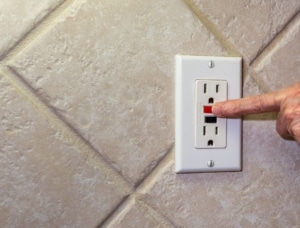
7) GFCI (Ground Fault Circuit Interrupter)
A GFCI is a type of outlet designed to protect against electrical shocks by shutting off the power if it detects any imbalance in the flow of electricity. These are required in areas with water, such as kitchens, bathrooms, and outdoor outlets.
For example, if an appliance in your bathroom gets wet and electricity starts flowing in an unintended path, the GFCI will trip and cut power to prevent a shock.
8) AFCI (Arc Fault Circuit Interrupter)
An AFCI is a special type of breaker that protects against electrical fires caused by arcing faults.
Arcing happens when electrical current jumps between damaged wires or loose connections. AFCIs are now required in newer homes, particularly in bedrooms and living spaces, because they detect and stop arcs before they can cause a fire.
9) Short Circuit
A short circuit occurs when electrical current flows through an unintended path, often due to exposed or damaged wiring. This can cause sparks, overheating, or even fires if not addressed quickly.
For instance, if two wires in a light fixture touch each other, they can create a short circuit, potentially leading to a fire hazard.
10) Electrical Panel
The electrical panel is the control center for your home’s electrical system. It houses the breakers or fuses that manage the flow of electricity to different circuits in your home.
If your home’s electrical needs grow (such as adding new appliances), you may need to upgrade your electrical panel to handle the increased load.
11) Fuse
Fuses are similar to breakers but are found in older electrical systems.
Instead of resetting like a breaker, a fuse will blow (or burn out) when a circuit becomes overloaded. Once a fuse blows, it needs to be replaced. If your home still uses fuses, it may be worth upgrading to a modern breaker system for improved safety and convenience.
12) Neutral Wire
The neutral wire completes the electrical circuit by carrying electricity back to the electrical panel. It helps balance the load of electricity in a circuit.
A properly functioning neutral wire is crucial for safety, as it ensures that excess electrical current doesn’t build up and cause shocks or fires.
13) Surge Protection
Finally, surge protection safeguards your home’s electronics from sudden voltage spikes, which can occur during storms or power surges.
A surge protector diverts excess electricity away from your devices, preventing damage. It’s recommended to use surge protectors for valuable electronics like computers, TVs, and home theater systems.
Tips for Electrical Safety at Home
Inspect outlets and switches regularly: Check outlets and switches for signs of wear, overheating, or damage. If they feel warm or you notice any discoloration, there could be an underlying issue.
Upgrade old wiring: Older homes often have outdated wiring systems that may not handle today’s electrical demands. Upgrading to modern wiring can reduce the risk of fires and improve efficiency.
Install GFCI outlets where needed: Kitchens, bathrooms, garages, and outdoor areas should have GFCI outlets to protect against electrical shocks. These outlets shut off power if they detect moisture or a current imbalance.
Avoid overloading outlets: Plugging too many devices into a single outlet can lead to overheating and fire hazards. Use power strips with built-in surge protectors for safety, especially when dealing with multiple electronics.
Test smoke and carbon monoxide detectors: Smoke and carbon monoxide detectors are key safety tools. Test them regularly to ensure they’re working properly and replace batteries as needed.
When to Call a Professional
Some electrical issues are beyond the scope of an at-home fix and should be handled by a licensed professional.
If you notice frequent breaker trips, flickering lights, or burning smells coming from outlets, it’s time to call an expert. These can all be signs of underlying electrical problems that could lead to fires or damage if left unchecked.
Other tasks, like upgrading your electrical panel, installing new wiring, or adding dedicated circuits for large appliances, should always be done by an electrician.
Attempting these projects without the right tools and knowledge can be dangerous and may violate local building codes.
Wrapping Up
Knowing these key electrical terms empowers you to better understand your electrical system, communicate with inspectors and electricians, and keep your home safe.
Lots of people rely on a power strip or two every day to keep our homes running smoothly, from charging our phones to powering our favorite gadgets. But with that convenience comes some risk—misusing a power strip can pose serious safety hazards like fires or other damage.
That’s why it’s important to know how to use power strips safely, and this post lays out simple, practical tips that can help you protect your home and appliances.
How Does a Power Strip Work?
Power strips are designed to expand the number of available outlets in your home by allowing multiple devices to be plugged into a single wall socket. They function by drawing electrical current from one outlet and distributing it to several outlets on the strip.
However, it’s important to understand that power strips do not increase the amount of electrical power available—they simply distribute it. This means that if too many high-power devices are plugged in, the strip can struggle, leading to potential safety hazards.
There are different types of power strips, each with its own set of features. Basic power strips offer simple multi-outlet solutions, while more advanced models include surge protection to guard against voltage spikes. Some even offer smart features, such as energy monitoring and remote control, which can add convenience and safety.
The Risks of Improper Use
Improper use of power strips can lead to significant safety risks, including fire hazards, electrical damage, and personal injury.
One of the most common risks is overloading, which can happen when too many devices are plugged into a power strip. Overloading can cause the strip to overheat, potentially leading to a fire. According to the U.S. Fire Administration, an estimated 24,200 residential electrical fires occur annually, resulting in hundreds of deaths and injuries, plus $1.2 billion in property loss.
High-wattage appliances like space heaters, refrigerators, or microwaves should never be plugged into a power strip, as they draw too much power for the strip to handle safely.
Another risk comes from using power strips in inappropriate locations. For example, placing a power strip in a damp area like a bathroom or kitchen can result in electrical shocks or short circuits due to moisture exposure.
Shopping for the Safest Power Strip
When purchasing a power strip, safety should be your top priority. Consider these factors when selecting one:
Surge Protection
Certification and Standards
Wattage and Amps
Number of Outlets
Firstly, a power strip with built-in surge protection is crucial for protecting your devices from sudden voltage spikes, which can cause serious damage to electronics. Surge protection ensures that any excess voltage is diverted away from your devices. Look for power strips that have been certified by recognized safety organizations, such as UL (Underwriters Laboratories). Certification indicates that the power strip meets specific safety standards and has been tested for quality and reliability.
Also, consider the wattage and amperage rating of the power strip. Make sure it can handle the combined power draw of all the devices you plan to plug in. Lastly, make sure the power strip has enough outlets for your needs.
However, avoid the temptation to choose a strip with more outlets than you need, which can encourage overloading.
Safety Tips for Power Strip Use
Proper use of power strips is essential for preventing common electrical hazards. Follow these critical safety tips to protect your home:
1) Place Strips in Safe Areas: Position power strips in areas with good ventilation, don’t cover them with rugs, curtains, or furniture. Proper airflow prevents overheating, which can lead to fires. Avoid using power strips in damp locations like bathrooms or kitchens to reduce the risk of electrical shocks.
2) Avoid Daisy Chaining: Never plug one power strip into another. This practice, known as daisy chaining, can overload your electrical circuit and significantly increase the risk of fire. Each power strip should be connected directly to a wall outlet.
3) Unplug When Not in Use: Unplug power strips when they’re not in use, particularly if they’re connected to high-power devices like televisions or gaming consoles. This habit prevents overheating and saves energy.
4) Inspect Regularly: Regularly check power strips for signs of wear and tear, such as frayed cords, exposed wires, or loose connections. If you notice any damage, replace the power strip immediately to prevent fire risks.
5) Limit High-Wattage Devices: Avoid plugging high-wattage appliances—like space heaters or large kitchen gadgets—into power strips. These devices draw more power than a typical strip can handle and should always be plugged directly into a wall outlet.
Other Electrical Safety and Maintenance
Maintaining your home’s overall electrical safety is just as important as using power strips correctly. Regular inspections are essential, especially in older homes. An electrician can identify and address potential issues, such as outdated wiring or overloaded circuits before they become serious hazards.
Make sure appliances frequently plugged into power strips are in good condition. Regularly clean and inspect these devices to ensure they operate safely and efficiently.
If you’ve recently added new appliances or noticed signs of strain on your electrical system—such as frequently tripped breakers or warm outlets—consider upgrading your system.
When to Call for Help
Professional help is sometimes necessary to maintain a safe electrical system in your home. If you notice circuit breakers tripping frequently, outlets or power strips that feel warm or hot to the touch, or any visible damage to your power strips, contact an electrician.
These are signs that your electrical system may be malfunctioning, posing a serious safety risk. Older homes should also get evaluations by a professional, especially after renovations.
Upgrading your system can significantly reduce the risk of electrical fires and ensure your home can safely meet its power needs.
Conclusion
Power strips are convenient and essential tools for managing multiple devices in your home. However, their safe use is crucial to avoiding hazards like electrical fires and equipment damage. Prioritize safety by selecting the right power strips, following best practices for their use, and maintaining your home’s electrical system.
Take time to inspect your current setup, replace any damaged strips, and consider scheduling a professional inspection to ensure everything is in good working order. If it’s been a while since your electrical system (or the whole home) was inspected, call Inside and Out Property Inspections today in Jacksonville, FL, and surrounding areas.
https://insideandoutpropertyinspectors.com/wp-content/uploads/2024/08/power-strip-safety-tip.jpeg10001500BJ Johnsonhttps://d39oyu4lp7snwz.cloudfront.net/wp-content/uploads/sites/54/2019/08/31171419/io-favicon-300x300.pngBJ Johnson2024-08-29 12:34:512024-12-24 19:42:41Power Strip Safety Tips to Protect Every Home
A flickering light bulb is relatively common and might seem like a harmless quirk – but have you ever wondered if it’s signaling a dangerous underlying problem? In some cases, ignoring this issue could lead to potential safety hazards or even expensive electrical repairs.
So you’re always prepared for this situation moving forward, this post will explain common causes behind flickering light bulbs and explore the potential dangers. We’ll also cover practical troubleshooting tips to help you address the flickering and know when it’s time to call an expert.
What Causes Light Bulbs to Flicker?
Several factors can cause a light bulb to flicker, ranging from minor issues to serious concerns:
Loose light bulb connections: This prevents a steady flow of electricity to the bulb.
Faulty light switches: They can intermittently cut power, causing flickering.
Voltage fluctuations: Inconsistent voltage in your home’s electrical system may cause lights to flicker, especially with outdated wiring that can’t handle modern electrical demands.
Outdated wiring: Old wiring may not be able to support the power needs of modern appliances and electronics, leading to flickering.
Overloaded circuits: When circuits are strained to provide power consistently, lights may flicker.
Risks of Flickering Light Bulbs
While a flickering light bulb seems like a minor inconvenience, it can indicate bigger problems that pose bigger risks. Ignoring the flickering could lead to:
Fire hazards: Loose connections or faulty wiring can generate heat and sparks, increasing the risk of electrical fires.
Electrical shock risks: The underlying issue causing the flickering may expose you to live wires, posing a shock hazard.
Damage to appliances and electronics: Inconsistent power from flickering can harm sensitive electronic components.
Reduced light bulb lifespan: Constant flickering can cause light bulbs to burn out more quickly, which means more frequent replacements.
Troubleshooting for Flickering Lights
If you notice a flickering light bulb, consider trying these simple troubleshooting:
Tighten loose connections: Gently tighten the light bulb and check the fixture’s connections to ensure a steady power flow.
Replace old switches: Faulty or worn-out light switches can cause intermittent flickering, so try replacing them with new ones.
Upgrade to compatible bulbs: Use high-quality light bulbs designed for your specific fixture to minimize flickering and ensure optimal performance.
Redistribute electrical loads: If multiple lights are flickering, try redistributing electrical loads evenly across circuits to prevent overloading.
Other Recommended Maintenance
To prevent flickering light bulbs and ensure electrical safety, consider a few key maintenance tasks. Regularly inspect your home’s wiring for signs of wear, damage, or outdated components that may need to be replaced to prevent flickering and other electrical issues.
If your home has an outdated electrical panel, upgrading to a modern one can help accommodate your current power needs and reduce the risk of flickering. Additionally, installing surge protectors throughout the home can safeguard your valuable electronics from potential damage caused by flickering or power surges.
When to Call a Professional
If you experience persistent flickering despite your efforts, there may be a more serious underlying issue.
Also, if you notice visible sparks or burning odors coming from outlets, switches, or fixtures, turn off the power immediately. Then, get help from an expert. Frequent circuit breaker trips or blown fuses could also indicate a severe electrical problem that needs professional assessment.
In any of these cases, it’s essential to have a licensed electrician address the issue. Attempting to diagnose and fix these serious issues yourself can be dangerous.
Conclusion
To summarize, don’t ignore that flickering light bulb – while it’s not always dangerous, it could be a warning sign of a serious electrical issue. It can be tempting to brush off the annoyance, but addressing it quickly is the best course of action.
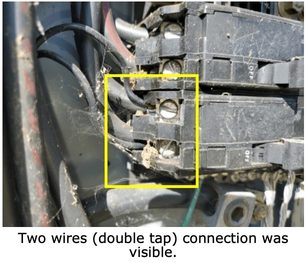
Considering the fact that you rarely look at your circuit breaker box, means you are likely not familiar with it. Breaker boxes are made in a variety of ways and have coding that is required that the electrician follows when installing wiring. Making sure that you do not have wires incorrectly installed is important to avoid fire hazards. What is a double tapped breaker? When two wires are placed in one circuit breaker that otherwise isn’t built to house two wires.
Let’s take a look below at what the problem would be and how you can fix it.
Why Are They A Problem
Most circuit breakers are not designed to hold two wires at the same place. If you come across this scenario in your home, you need to call a professionally licensed electrical contractor right away. Leaving two wires in a breaker that is not built to handle the load will result in a fire.
Two wires that are connected to the same breaker or terminal can result in overheating. You could also notice the two wires producing arcing due to not being attached tightly enough. Luckily, there are solutions to fixing this scenario and there are some breaker terminals that are now built to handle two wires at once. Let’s take a look below at the solutions to two wires in one breaker.
Courtesy of Waypoint Inspections
How Do You Fix a Double Tapped Breaker
Believe it or not, there are a variety of ways that you can fix a double tapped circuit breaker. Keep in mind that some breakers are meant to hold two wires. Let’s review.
Pig Tail-this is done when you connect the third wire to the breaker after you have wrapped the other two wires together with a wire nut and have all three wires as one.
Tandem circuit breaker-a square d tandem breaker is built to house two wires in the same breaker. There are two connection points for two wires.
Breaker designed for wires. Square d and cutler hammer have breakers designed for holding two-wire connections.
Just add another breaker-if you have room in the breaker box, you can simply install a single circuit breaker to an open slot on your electric panel. This is cost-effective and relatively easy to do. Single breakers cost less than $5.
Keep in mind that your breaker panel cover will determine what you can and cannot add. Yes, there are breakers available for two-wire connections, however, you must make sure that the breaker is installed in the slow designated on the label of the breaker box. Following the breaker, box rules keep things easy and functional.
How Much Do They Cost
The cost to add a circuit breaker to your breaker box ranges from $40 to $60 plus the labor charge. Typically, you are looking at $150 for the job. It takes most electricians 2 hours to install a new circuit breaker to your breaker box. Anytime you need to get the breaker fixed, you should expect to pay $150 to $250 to fix a double tapped breaker.
Other Recommended Maintenance
When you are learning about double-tap breakers go ahead and also educate yourself on what the wiring should look like for your electrical system. Bootlegged grounding and bad wiring hookups happen more often than you think. It would be a great idea to make sure that you pay attention to any contractor work being conducted on your electrical system. Make sure you are hiring a professionally licensed electrician.
Another area to check is the breakers to make sure you don’t have a Challenger GFCI breaker. If your home was built between 1998-2004 there is a chance you have these. Contacting an electrician is the way to go if you find this or need assistance.
Lastly, you want to know what kind of wiring you have in the home. One type you do not want to have is aluminum wiring. This is because it is connected to copper wire and can start an electrical fire.
When Do I Call A Professional
Anytime you are dealing with your electrical system and more specifically your circuit breaker box, you need to call a professionally licensed electrician. It is not recommended that you attempt to make any changes to your breaker box, even if you read up and study up on the process of installing a double tapped breaker. You might feel the need to save time and money and complete it as a do-it-yourself project.
However, dealing with electricity is not the easiest or safest project to do on your own. You might want to consider calling on your local home inspection team so that the home inspector can conduct a thorough inspection of your electrical system. Typically, they will look for loose connections, common defects, and go over the electrical work. They can also recommend the most reputable professionally licensed electrician in the area.
Conclusion
Getting a professionally licensed electrical contractor to come out to your home could be a difficult task. The most reputable companies are almost always booked for weeks if not months away. So, planning ahead is an important step here. Getting your double tapped breaker installed is a project that you won’t want to complete on your own. Call your local home inspection team to get a few referrals for the most reputable professionally licensed electrical contractors around. While they are out at your home, they can conduct a full home inspection. This will allow you to add any extra projects to the list while you have the electrical contractor. Contact Inside and Out Property Inspectors in Jacksonville, FL, and surrounding areas to get your home inspection done today.
https://insideandoutpropertyinspectors.com/wp-content/uploads/2022/02/double-tapped-breaker.png513762BJ Johnsonhttps://d39oyu4lp7snwz.cloudfront.net/wp-content/uploads/sites/54/2019/08/31171419/io-favicon-300x300.pngBJ Johnson2022-02-17 14:03:012022-02-17 14:03:06What Is A Double Tapped Breaker
You are watching a great show on TV and then all of a sudden, the power goes out. Shortly after, it comes back on. What was that? It was probably a power surge. What is a power surge? It is when the flow of electricity is interrupted and then it starts again. These can be minor or there can be damage. We will take a look at why you need to know about power surges, types of power surges, prevention, surge protectors, results, signs of a power surge, and other areas to check.
Why You Need to Know About Power Surges
Power surges occur with things in the home that have microprocessors. Examples are TVs, computers, and microwaves. Furthermore, larger machinery like dishwashers, refrigerators, and washing machines can have power surges. Depending on the type of power surge, there can be damage. Most homes have appliances or devices that can handle from 0 to 169 volts. However, a power surge can exceed 169 volts and then cause damage.
Types of Power Surges
There are two types of power surges: internal and external
Internal Power Surge
These happen many times a day and make up more than half of all power surges. They usually happen because of motors turning on and off and the electricity goes to the other appliances in the home. Refrigerators and air conditioners do this the most, but hair dryers and power tools do as well.
External Power Surge
Comes from outside and home and is due to lightning strikes, a small animal making its way into a transformer (think of squirrels near the transformers), and also a tree branch landing on a power line.
Lower level surges of the types listed above can cause “electronic rust.”
Prevention of a Power Surge
External surges can’t be prevented as many of them have to do with mother nature and wild animals. However, there are things we can do to prevent Internal surges.
Unplug devices in the home that are not in use – this cuts back on the electricity flowing through the home. Daily, unplugging the toaster over is a good idea when everyone is done using it. Look around the home for other things plugged in that no one is using.
Upgrade wiring – if you have a home with wiring from before the 1980s, it may need upgrading. This is especially true if you have blown fuses, circuit breakers that trip or are bad, or lights that flicker on and off. You might even have aluminum wiring in the home. aluminum wiring risks is some information on what to look for.
Overloaded circuits – if you have a newer home, it is possible that you have circuits that are overloading. You might have large appliances that pull power from the same place and need to have it divided up. You may need to have a professional add another circuit for you. Look in your family room and see if there are a lot of computers, entertainment devices all plugged in the same place. This can also cause a surge.
Surge Protector – a quality surge protector will help protect the home from damage. It will also take the electricity and divert it to the ground instead of through the appliances. There are different types that we will take a look at.
Here is a video about power surges in one Austin, TX neighborhood
Types of Surge Protectors
Surge protectors are also known as surge suppressors or surge diverters. Let’s take a look at a few types so you know what will work best in your home.
Whole house or panel mounted– these prevent power surges from entering the home and go to the fuse box. They range from $50 and up.
Power strips with surge protection- the most affordable way to go. However, not all power strips are created equal, and the most expensive does not mean better. Choose one that will hold the number of joules for the appliances you are protecting.
Transient Voltage Surge Suppressors (TVSS)-hardwired into the outlet boxes in a home and provide excellent protection. They have a light or alarm that indicates there has been a surge and ranges from $25 to $100. Lastly, the price depends on the joules, amps, and alarms on the device.
Results of a Power Surge if You Are Not Careful
If too much electricity is sent through to an appliance, there can be an electrical fire . Not only will you have damage but will also need to deal with smoke damage to the home.
External power surges can cause damage to the HVAC unit. Unfortunately, there is nothing you can do to prevent it. A professional will need to be called to see if it can be fixed or if it is replaceable.
Signs There Has Been a Power Surge
The clock or lights are flashing on an electrical device or appliance
The electrical device or appliance is off or does not work
There is a burnt odor around the device or power source
A surge protector or power strip may require resetting
Check your electrical panel to see if you have recalled Challenger GFCI breakers or an FPE panel. If you do, contact a professional for assistance.
When to Call a Professional
Call a professional if you have any issues after a power surge or if you want to find out why you are having tripping of circuits or lights going out etc. Also, if you have any wiring issues, a professional can help.
https://insideandoutpropertyinspectors.com/wp-content/uploads/2021/05/Power-surge-scaled.jpeg17072560BJ Johnsonhttps://d39oyu4lp7snwz.cloudfront.net/wp-content/uploads/sites/54/2019/08/31171419/io-favicon-300x300.pngBJ Johnson2021-05-08 22:55:552026-08-03 18:35:12Power Surge Types and What Causes Them
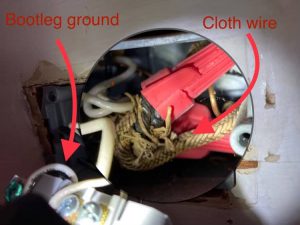
We hear the word “bootleg” often such as bootleg cassettes or bootleg computer software to name a few. It means things that are created and sold illegally. Often people will sell bootleg videos of movies or concerts. These are illegal recordings that a person made while at the concert or movie and then sells it. In the case of electricity, a bootleg ground is when a jumper wire is installed on a receptacle, in betweenfrom the neutral wire to the ground screw. The purpose is to ground the receptacle when going from a two-prong outlet to a three-prong.However, it is illegaland does not actually ground the receptacle.
Let’s take a look at why you need to know about bootleg ground, what it means, why it is dangerous, GFCI protected outlets, how to know you have one and what if you have one, alternatives, other areas to check and when to call a professional.
Why You Need to Know About Bootleg Ground
Homes built prior to 1960 that have grounded receptacles and not rewired could have bootleg ground. Why? Often it is done out of not knowing any better, but sometimes it is done to pass it off as being grounded when it is not. You want to have your receptacles grounded properly so family members are not electrocuted in the home. In addition, it is illegal to have bootleg ground.
What it Means to Ground
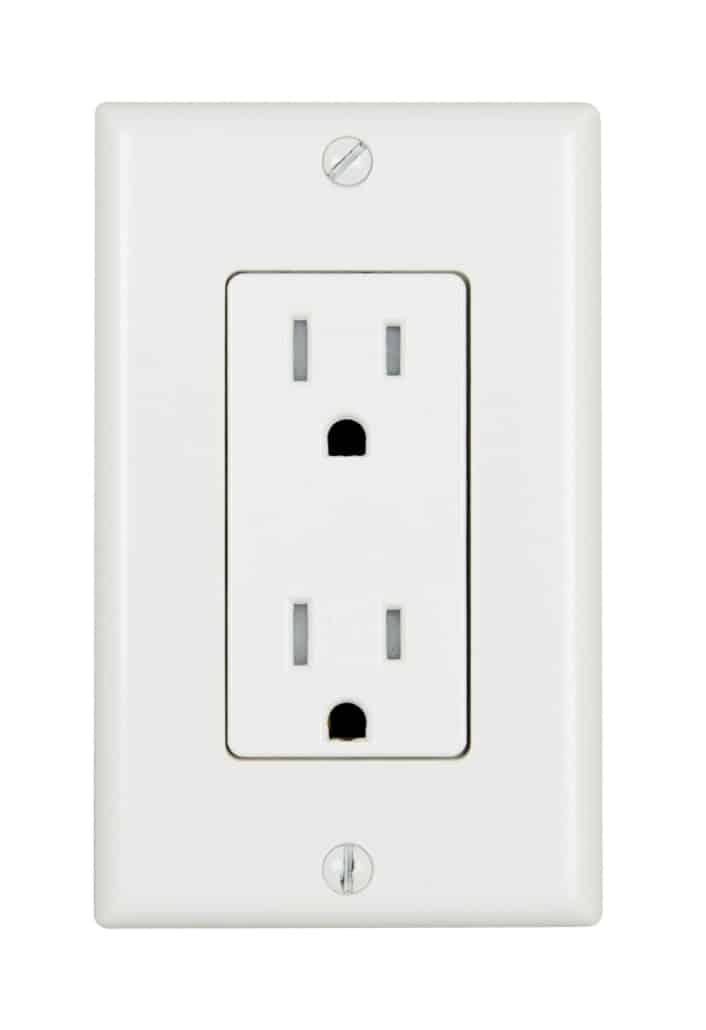
In a home, you want the receptacle grounded. Back in the 1960s, homes only had two-prong outlets and there was a neutral wire and a hot wire. Wires were not grounded, thus making homes dangerous if a fault were to occur. Now, many people will have the prong outlets updated in their older homes, going from two prongs to three prongs so they don’t need to use an adapter.
However, the problem is when rewiring the home, some contractors were not installing the proper ground wire to make the home safe. This is usually a wire that runs from the breaker box to the newly installed three-prong outlet. Instead, the wire is not installed and creating a hazard in the home.
Some people say that having the ground wire tied to the neutral wire at the electrical panel is okay and having them tied together on the other end at the three-prong outlet will work just fine. However, that is not a true statement and the wire must be connected properly. People try to get around it as it is expensive to do.
https://www.youtube.com/watch?v=gjo60o_nJ2I
Why Bootleg Ground is Dangerous
This is dangerous because of the flow of electricity. Hot and neutral wires are the only ones designed to carry the electricity and the ground wire is not made to carry the electricity. However, what happens is if there is a problem on the neutral wire that it becomes disconnected or damaged as it is connected to the three-prong, anything that is plugged in can strengthen and cause electrocution. In addition, it can start an electrical fire.
Bootleg and Reverse Polarity
Reverse polarity is a hot/neutral reverse of wires and causes the same issue as described above with electrocution hazard.
GFCI Protected Outlets
Many homes use GFCI protected outlets. If there is a bootleg ground, it may not trip as it should in a ground fault and also cause electrocution. Having a bootleg ground puts a whole family at risk and not worth their safety.
How to Know if You Have a Bootleg Ground
Bootleg grounds are commonly installed in homes built before the 1960s. To find out if you have a bootleg ground, turn off the electric at the panel box. Remove the receptacle cover and see if there is a jumper wire. If you are not sure, pull the receptacle out of the wall to check. Also, check that the white wires go to the white metal screws. Likewise, the green screw connects to a bare copper or green wire for proper ground. Unsure? Contact a licensed professional to help.
Want to find out if you have a bootleg ground with a test? Well, if you use a three-light tester, there may be a false reading. However, if you use a circuit analyzer or hire an inspector, you will get the actual result and peace of mind.
Home inspectors won’t check for bootleg grounds during a home inspection, as it is beyond the scope of their job. However, sometimes people who have bootleg grounds in the home will have some two and three-prong outlets in the home, instead of all the same. People who put in bootleg ground usually don’t change all of them in the home.
Moreover, while outlets may show proper grounding, there might be a lack of ground wires in the electrical panel. Therefore, homeowners or experienced home inspectors might suspect the home has bootleg grounds.
What if You Have Bootleg Grounds
Contact a professional for his/her recommendation/repairs.
Leave the two pronged outlet covers so it is known there is no protection from the ungrounded circuit.
Install GFCI protected receptacles or breakers.
Rewire the home with grounding wires.
Alternative to Bootleg Ground
Instead of installing these in the home, contact a licensed professional to properly ground three-prong outlets. It usually is not very expensive and will follow the National Electrical Code.
Other Areas to Check and Maintenance
1. Check that the metal box is grounded
In addition to making sure the receptacles are grounded, you want to know that the metal box is grounded. Where is this? It is behind the outlet. When you take the receptacle cover off and pull the outlet out, you can use a tester to see if it is grounded. Its purpose is to make sure that it doesn’t send electricity through the ground to the breaker box.
2. Tamper Resistant Outlet
You also want to make sure that you have a tamper resistant outlet. This is an outlet that when something is stuck into it that is not a plug, the shutters close up in it. This is to protect whoever is putting something in there that doesn’t belong.
3. Maintenance of the Water Heater near the Electrical Panel
Most people have an electrical panel near the water heater in their garage. It is just as important to make sure the water heater is functioning properly so keep up with maintenance on it so you don’t have any water or electricity issues.
When to Call a Professional
Call a professional when you need help figuring out if you have a bootleg ground, or if you need rewiring in the home or new three prong outlets added. Some homeowners can do this on their own, but don’t be afraid to call a professional if you need help.
https://insideandoutpropertyinspectors.com/wp-content/uploads/2021/04/Bootleg-ground.jpeg562750BJ Johnsonhttps://d39oyu4lp7snwz.cloudfront.net/wp-content/uploads/sites/54/2019/08/31171419/io-favicon-300x300.pngBJ Johnson2021-04-26 22:30:512024-12-24 19:37:46Bootleg Grounds: Everything You Need To Know