Who Pays for a Home Inspection? FL Buyers vs. Sellers
In most home sales, the buyer pays for the home inspection. The buyer hires the inspector, pays at the time of the inspection, and owns the report. Sellers do pay in some cases, though, such as a pre-listing inspection or a credit negotiated after the buyer’s inspection.
At Inside & Out Property Inspectors, we answer this question for Jacksonville and St. Augustine buyers almost every day. The answer gets more layered in Florida, where many buyers also need a 4-point and wind mitigation inspection for insurance.
Here is who pays for what, what it costs, and how to plan for it.
Does the Buyer or Seller Pay?
The buyer pays for the standard home inspection in nearly every Florida sale. The inspection exists to protect the buyer, so the buyer chooses the inspector and covers the fee.
Paying for it yourself has real benefits:
- You choose the inspector. You are not relying on someone the seller picked.
- The inspector works for you. Their job is to report the home’s condition to you, with no stake in whether the sale closes.
- You own the report. You decide who else sees it and how to use it in negotiations.
The U.S. Department of Housing and Urban Development makes the same point in its For Your Protection: Get a Home Inspection notice for FHA buyers. The notice explains that an inspection only happens if the buyer arranges one, and that the lender’s appraisal is not a substitute.
Most Florida purchase contracts give the buyer a set inspection period after the contract is signed. That window is when you schedule, pay for, and review your inspections.
When the Seller Pays
Sellers pay for an inspection when they order it themselves or agree to cover the buyer’s costs during negotiations. Here are the two most common situations.
Pre-Listing Inspections
A pre-listing inspection is one the seller orders before putting the home on the market. Since the seller hires the inspector, the seller pays.
Sellers do this to:
- Find and fix problems before buyers find them
- Price the home more accurately
- Share a recent report with buyers to build trust and speed up the deal
Most buyers will still hire their own inspector. A pre-listing report helps, but it was ordered by the other side of the deal. Our list of common home inspection issues shows what sellers can fix ahead of time.
Seller Credits and Concessions
A buyer can ask the seller to reimburse inspection costs as part of seller concessions. This money usually comes back to the buyer as a credit at closing, not as a payment to the inspector.
Keep in mind:
- You still pay the inspector up front, then get reimbursed at closing if the seller agrees.
- Sellers are more likely to say yes in a slower market.
- Lenders limit how much a seller can contribute toward a buyer’s costs, so ask your loan officer before you negotiate.

Who Pays for Each Type of Inspection?
The person who orders an inspection is the person who pays for it. In practice, that means buyers cover most inspections during a sale. This table shows the typical setup in Northeast Florida.
| Inspection | Who usually pays | Why it matters |
| General home inspection | Buyer | Full review of structure and systems |
| 4-point inspection | Buyer | Required by many Florida insurers on older homes |
| Wind mitigation inspection | Buyer | Can lower your insurance premium |
| Termite / WDO inspection | Buyer (some loan programs set rules) | Termites are common in Florida |
| Sewer scope | Buyer | Camera check of the main drain line |
| Mold, stucco, or thermal imaging | Buyer | Adds detail where the general inspection flags a concern |
| Pre-listing inspection | Seller | Seller orders it before listing |
| New construction phase inspections | Buyer | Pre-slab, pre-drywall, and final walk-through |
| Appraisal | Buyer (through the lender) | Required for most mortgages |
Loan programs such as VA and FHA may have their own rules about who can pay for certain reports, like a termite inspection. Your lender can confirm what applies to your loan.
How Much Does a Home Inspection Cost in Jacksonville?
A basic home inspection in the Jacksonville area typically costs about $350 to $500, not including add-ons. The final price depends on the home and the services you add.
What affects the price:
- Square footage: Larger homes take longer to inspect.
- Age of the home: Older homes often have more systems to evaluate.
- Add-ons: Pools, detached structures, sewer scopes, 4-point, and wind mitigation add to the total.
- Property type: Condos usually cost less, while commercial and multi-unit properties cost more.
Many buyers bundle their general, 4-point, and wind mitigation inspections into one visit, which saves time and often money.
Florida buyers should also budget for insurance inspections. Homes older than about 20 years often need a 4-point inspection, and most buyers benefit from a wind mitigation report because it can earn discounts on the windstorm portion of the premium. Adding both at the time of your home inspection avoids a second trip and keeps your insurance quote on schedule.
Choosing the cheapest inspector can cost you more later. A missed roof or plumbing issue can easily run into thousands of dollars.
When and How You Pay the Inspector
You pay the home inspector on or before the day of the inspection, not at closing. Most inspection companies take credit cards or online payment when you book.
Inspectors are hired outside of the escrow process. Because of that, the fee does not roll into your mortgage or your closing costs by default. Budget for it as an out-of-pocket cost during the first week or two of your contract.
Scheduling early matters too. Inspections usually take a few hours, and you need time to review the report and bring in specialists before your inspection period ends. Understanding how long inspections take by scope and specialty can help you plan the timeline.
What Happens If the Deal Falls Through?
If the deal falls through, you still pay for the home inspection. The inspector did the work, so the fee is not refundable, even if the findings are the reason you walk away.
This is why the inspection period exists. The small cost of an inspection can protect you from buying a home with a failing roof, hidden water damage, or outdated plumbing. Many buyers see a canceled deal after a bad report as money well spent.
If you back out, check your contract for deadlines. Canceling inside your inspection period usually protects your deposit, while canceling after it may not.
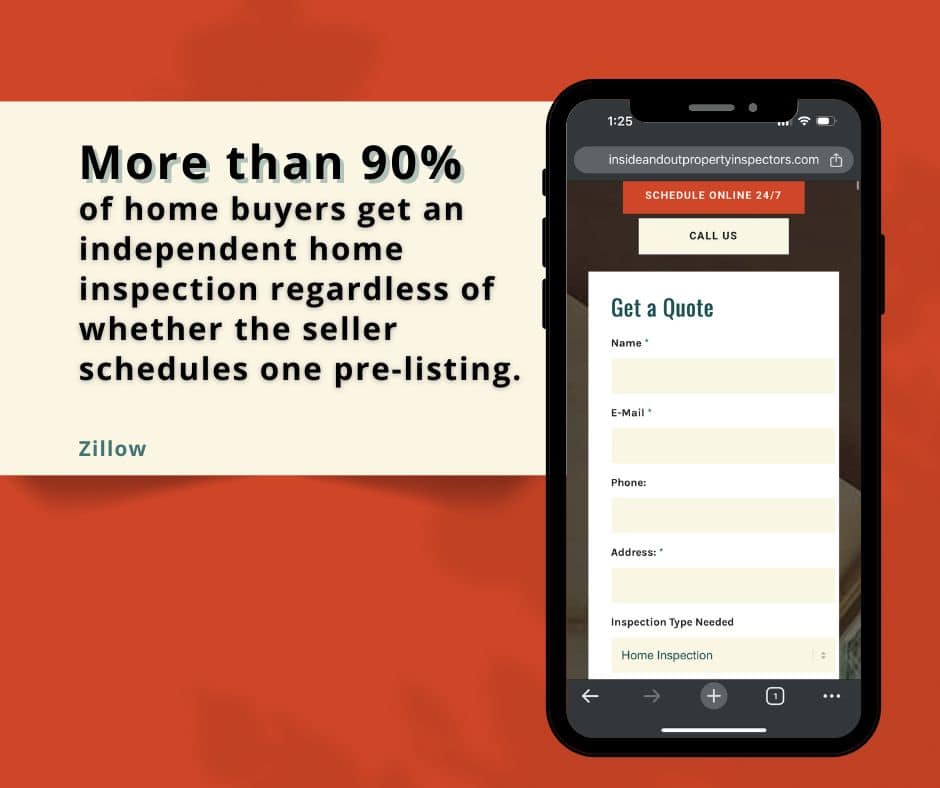
Who Pays for Repairs After the Inspection?
Repair costs are up for negotiation. No rule says the seller has to fix everything on the report, and no rule says the buyer has to accept the home as-is.
After you review the report, you can:
- Ask the seller to make repairs before closing.
- Ask for a credit at closing so you can handle repairs yourself.
- Ask for a lower price to reflect the cost of the work.
- Accept the home as-is if the issues are minor.
- Cancel the contract within your inspection period.
Focus your requests on safety issues and major systems like the roof, electrical, plumbing, and HVAC. Asking for a long list of small cosmetic fixes can stall the deal.
Related Questions to Explore
- Is the home inspection part of closing costs? No. The home inspection is paid directly to the inspector at or before the inspection. It only shows up at closing if the seller agrees to reimburse you as a credit. Closing costs cover items like lender fees, title services, and the appraisal.
- Who pays for the appraisal, the buyer or the seller? The buyer usually pays for the appraisal, often as part of closing costs or up front through the lender. The lender orders the appraisal to confirm the home’s value. An appraisal is not an inspection and will not tell you about the home’s condition in detail.
- Does the seller get a copy of the buyer’s inspection report? Not automatically. The buyer paid for the report and controls who sees it. Buyers often share parts of it with the seller to support repair requests. Many sellers never see the full report.
- Who pays for a re-inspection? The buyer usually pays for a re-inspection to confirm the seller’s repairs were done. Some buyers negotiate for the seller to cover it. You can also ask the seller for receipts and permits for completed work.
- Can I skip the home inspection to save money? You can, since inspections are optional, but it is rarely worth the risk. Skipping the general inspection may also leave you without the 4-point report your insurer needs. Even new construction homes often have defects that only an inspection catches.
When to Call a Professional
Call a certified home inspector as soon as your offer is accepted, so you have time to review results and bring in specialists. In Florida, it also helps to book your insurance inspections at the same visit.
Reach out to a professional if:
- You are under contract and your inspection period has started.
- Your insurer is asking for a 4-point or wind mitigation report.
- You are selling and want to know what buyers will find.
- The home is older, has a pool, or shows signs of water damage or termites.
Our InterNACHI Certified Master Inspectors send two inspectors to every home. You get a detailed, interactive report with photos, usually the same day. Problems below ground can hide from a standard visual inspection, so a sewer scope inspection is worth a read if the home has older drain lines.
Budgeting for Your Home Inspection
The buyer pays for the home inspection in most Florida sales, but sellers can step in with a pre-listing inspection or a closing credit. Either way, the inspection is one of the smallest costs of buying a home and one of the most useful.
- Plan to pay about $350 to $500 up front for a basic inspection, plus any add-ons.
- The fee is due at the inspection and is not refunded if the deal falls through.
- Repairs and credits are negotiated after you review the report.
Ready to book? Get a free quote for your home inspection in Jacksonville, St. Augustine, or anywhere in Northeast Florida.