Jacksonville Guide to Aluminum Wiring in House Risks
Buying or owning a home in Northeast Florida comes with a lot of excitement. From enjoying coastal breezes to settling into established neighborhoods, there is plenty to love. However, if your home was built between 1965 and 1973, you may face a hidden safety concern. Having aluminum wiring in house systems during this era was common across Jacksonville, Orange Park, and surrounding areas.
While aluminum carries electricity just like copper, single-strand aluminum wiring creates distinct safety hazards over time. As this wiring ages, it increases the risk of electrical fires and creates challenges for home insurance. Understanding how single-strand aluminum wiring works, why it causes problems, and what steps you can take will help keep your Northeast Florida home safe and insurable.
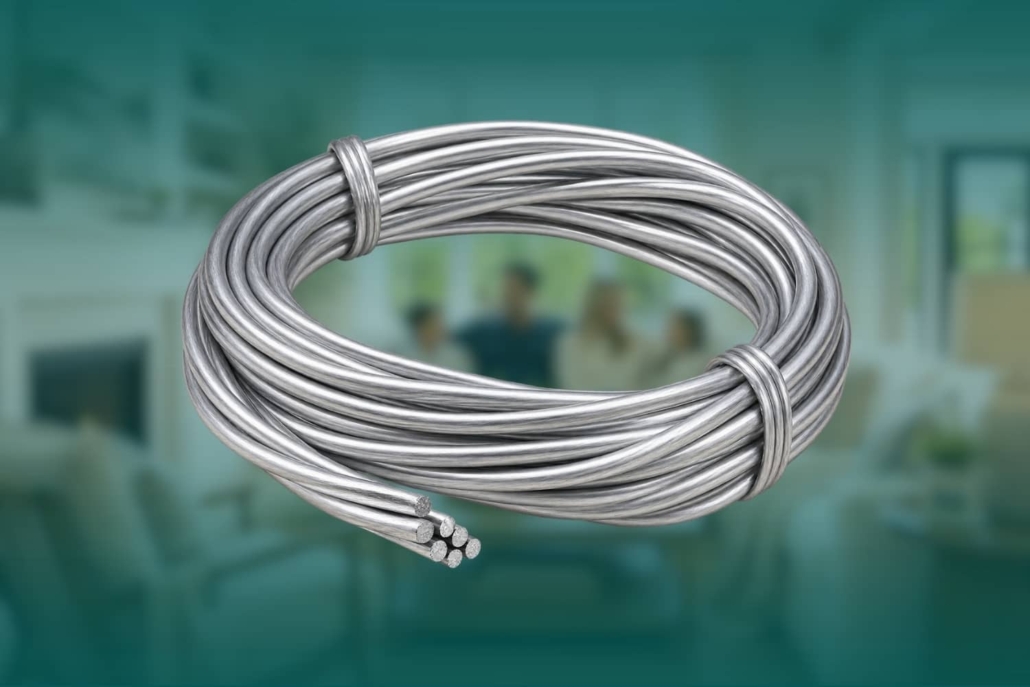
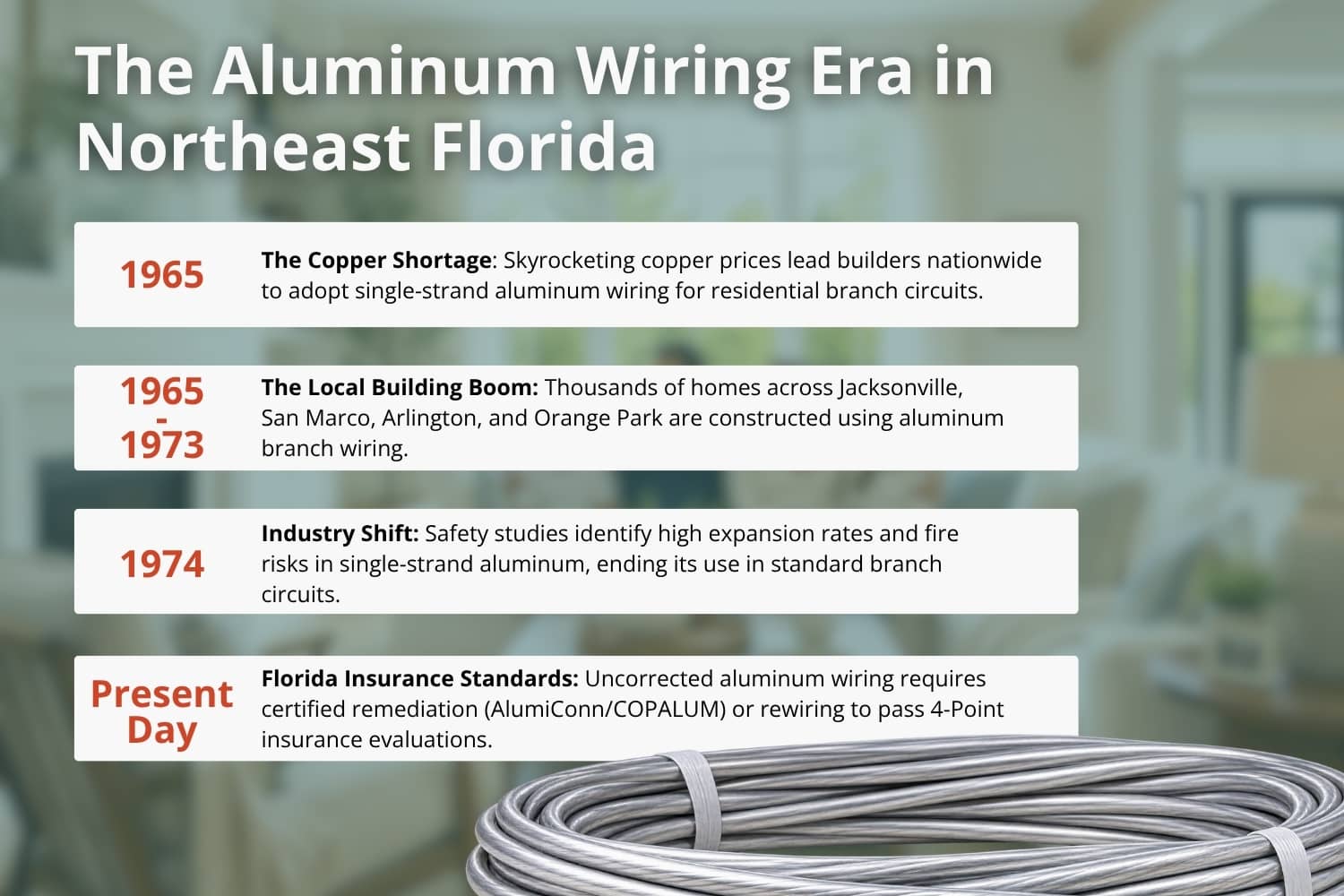
Single-strand aluminum wiring is a type of branch circuit wiring used in residential homes during the mid-1960s to the early 1970s. Builders used it as a low-cost alternative to copper during a time when copper prices soared. Branch circuits feed electricity directly to standard wall outlets, light switches, and light fixtures.
In Jacksonville neighborhoods established during that building boom, such as Arlington, San Marco, and parts of Westside, thousands of homes were wired using single-strand aluminum. While the metal conducts electricity well enough, it reacts very differently to heat and pressure compared to copper.
It is important to note that multi-strand aluminum wiring is still used safely today for main power feed lines and heavy appliance circuits. The primary safety concern centers entirely on single-strand branch wiring connected to everyday switches and outlets.
Why Having Single-Strand Aluminum Wiring in House Systems Creates Safety Risks
Single-strand aluminum wiring causes safety problems because of how the metal behaves inside electrical boxes over time. Unlike copper, aluminum expands and contracts rapidly when electric current flows through it.
Here are the main reasons why single-strand aluminum wiring creates hazards in homes:
High Thermal Expansion: Aluminum expands much more than copper when heated. Every time you turn on a light or plug in a vacuum, the wire warms up and expands. When turned off, it cools down and shrinks. This constant movement causes connections at switch terminals and outlet screws to loosen over time.
Oxidation and Rust: When aluminum meets oxygen, it forms aluminum oxide. Unlike copper oxide, which still conducts electricity, aluminum oxide acts as an insulator. This buildup creates electrical resistance, which generates excess heat inside wall boxes.
Metal Creep: Aluminum is a softer metal than copper. Under the constant pressure of a screw terminal inside an outlet, the wire gradually reshapes and flattens out. This process, known as creep, leads to loose electrical connections.
Electrical Arcing: Loose wires combined with high resistance cause electricity to jump across gaps. This jump is called an arc. Arcing creates extreme temperatures that easily melt plastic outlets, ignite wall insulation, or cause hidden fires behind drywall.
Over time, these combined issues turn simple everyday electrical use into a serious fire hazard hidden behind your walls.
How Aluminum Wiring Compares to Copper Wiring
To see why single-strand aluminum needs extra attention, it helps to compare its physical traits directly with copper wiring.
Up to 55 times more likely to reach fire conditions
Insurance Status
Accepted by all insurance carriers
Requires special inspections or approved repairs
These stark differences explain why insurance companies treat single-strand aluminum as a high safety risk and why proper evaluation is essential for your home.
Signs You May Have Aluminum Wiring in House Installations
You cannot always see the wires behind your walls, but several signs suggest your home might have single-strand aluminum wiring.
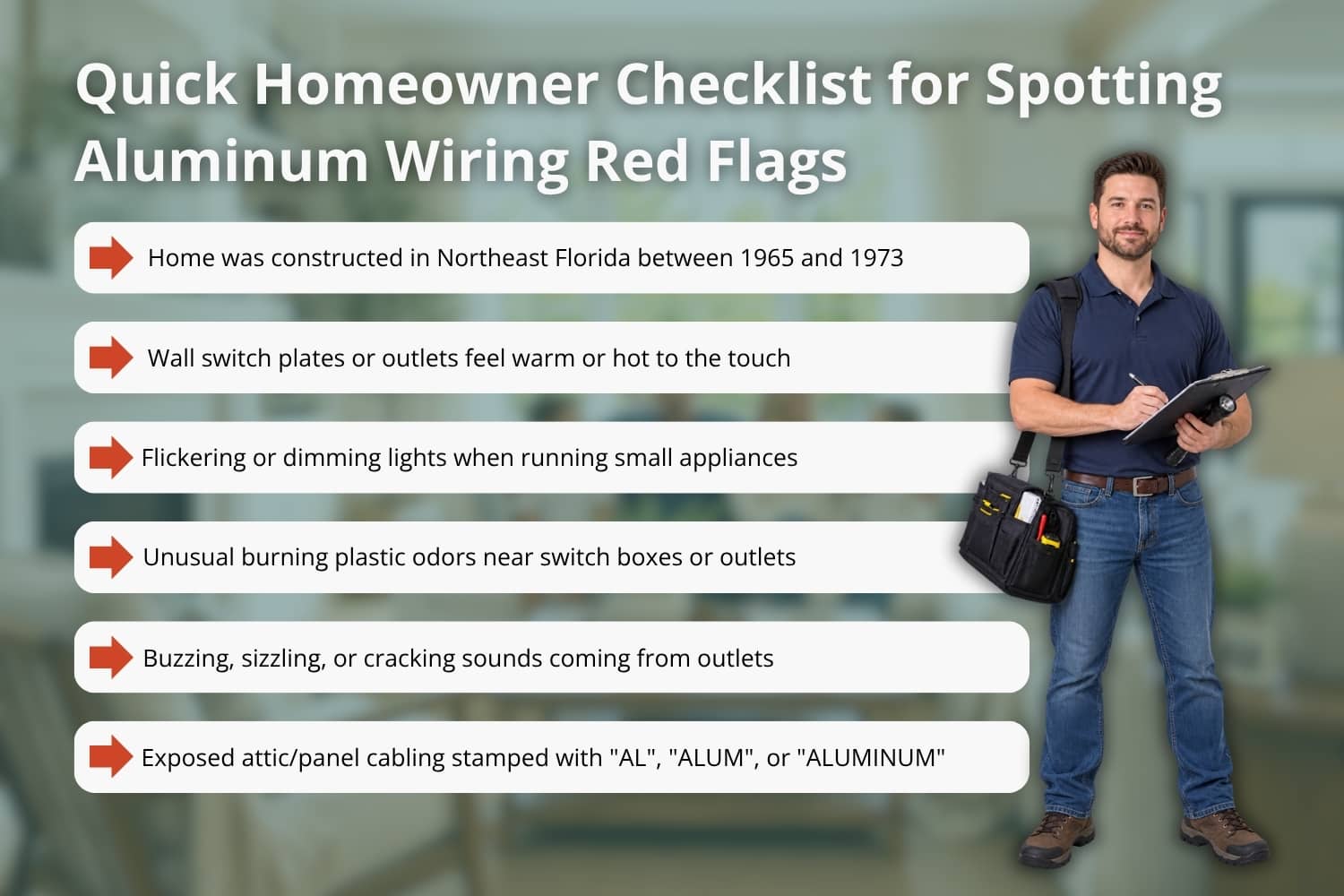
First, check the age of your house. If your Jacksonville home was constructed between 1965 and 1973, there is a strong chance aluminum branch wiring was used. Second, check for these warning signs around your home:
Wall switch plates or outlet covers that feel warm or hot to the touch.
A strange burning plastic smell near light switches or wall plugs.
Lights that flicker or dim randomly when small appliances turn on.
Outlets or switches that stop working for no obvious reason.
A soft buzzing or sizzle sound coming from inside switch boxes.
Static or interference on audio equipment and televisions.
If you open your main electrical panel or look at exposed wiring in the attic, you may see stamped markings on the plastic wire jacket. Look for letters such as AL, ALUM, or ALUMINUM stamped every few feet along the outer sheath.
Florida Home Insurance Challenges with Aluminum Wiring
Securing home insurance in Florida requires extra effort, and having aluminum wiring in house circuits makes it even more challenging. Insurance companies across Duval County, St. Johns County, and Clay County closely review electrical systems before issuing policies.
Most Florida home insurance carriers require a specialized 4-Point Inspection for homes older than 20 years. During this 4-Point inspection, the inspector examines four critical systems: the roof, plumbing, HVAC, and electrical wiring.
If single-strand aluminum wiring is present, many insurance carriers will refuse coverage until the system is evaluated by a licensed professional or repaired using approved remediation methods. Insurance companies view uncorrected aluminum wiring as a high risk for electrical fires. Leaving it unaddressed can result in policy denial, non-renewal, or significantly higher premium rates.
How Home Inspectors Find Aluminum Wiring Risks
A standard visual home inspection offers a great start, but thorough property inspectors use advanced technology to spot hidden electrical hazards without damaging your walls.
During a professional inspection, your inspector will remove panel covers, inspect branch wiring connections, and look for signs of overheating. They will also verify whether any past repairs were done using proper, safety-tested methods or dangerous DIY fixes.
Using a Thermography Inspection (thermal imaging) adds an extra layer of protection. Infrared cameras detect hidden temperature differences behind walls, inside switch boxes, and across breaker panels. Because loose aluminum connections generate heat long before they smoke or spark, thermal imaging spots hot spots invisible to the human eye. This gives you clear answers about your electrical safety before a small issue turns into a real emergency.
Safe Fixes for Aluminum Wiring in House Systems
If your home has aluminum branch wiring, you do not always need to tear down your drywall to replace every single line. Modern engineering provides safe, approved solutions that bring your home up to safety standards without a total teardown.
Here are the primary ways to address single-strand aluminum wiring safely:
1. Complete Home Rewiring
Replacing all single-strand aluminum branch wiring with modern copper wire is the permanent solution. While this is the most costly and invasive option, it eliminates the risk and provides total peace of mind. It also makes getting home insurance fast and straightforward.
2. COPALUM Crimp Connectors
The COPALUM connector method uses a special crimping tool to attach a short piece of copper wire (a pigtail) to the end of the aluminum wire. The copper tail then connects safely to standard wall outlets and switches. This system creates a cold-weld connection that prevents oxidation and loosening. It requires an electrician certified specifically for this specialized system.
3. AlumiConn Connectors
AlumiConn lug connectors offer another widely approved method for pigtailing. Each wire enters its own separate port with a mechanical screw coated in a special antioxidant gel. This prevents the aluminum and copper wires from touching directly, stopping galvanic corrosion and keeping connections secure.
4. CO/ALR Devices
In smaller projects, replacing outlets and switches with devices specifically labeled CO/ALR (meaning Copper/Aluminum Revised) helps improve safety. These devices use materials designed to expand and contract at rates similar to aluminum. However, this is usually considered a temporary fix rather than a full system remediation for insurance purposes.
Warning: Never use standard twist-on wire nuts (even wire nuts filled with antioxidant grease) to connect aluminum wire directly to copper wire. Standard wire connectors loosen quickly and represent a major fire hazard.
Related Questions to Explore
What other electrical and structural issues do insurance companies look for during an inspection?
Beyond wiring, insurance providers often require a 4-point inspection to evaluate the age and condition of the roof, heating and cooling system, and plumbing lines. Outdated electrical panels, polybutylene pipes, or older roofs can trigger similar insurance hurdles.
How can inspectors detect hidden home defects without tearing open walls?
Thermal imaging inspections use infrared technology to detect subtle temperature changes behind walls and ceilings. This non-invasive tool helps spot missing insulation, hidden plumbing leaks, moisture intrusion, and dangerous electrical hot spots early.
What additional specialized inspections should home buyers consider in Northeast Florida?
Standard home inspections cover major structural and mechanical systems, but specialized checks offer deeper protection. Adding sewer scope inspections checks main drain lines for blockages, while mold inspections and wind mitigation assessments help identify hidden environmental hazards and qualify buyers for insurance discounts.
How does moisture impact older homes in Jacksonville?
Coastal humidity and heavy rainfall can degrade exterior cladding over time. Professional stucco inspections and moisture testing help detect trapped water behind walls that leads to wood rot, structural framing damage, or poor indoor air quality.
When to Call a Professional
Dealing with electrical safety is never a DIY job. If you live in or are planning to purchase an older home in Jacksonville, St. Augustine, or surrounding Northeast Florida communities, scheduling a professional inspection is the safest first step.
You should contact a professional property inspector if:
You are buying or selling a home built between 1965 and 1973.
Your home insurance company is requesting a 4-Point Inspection or an electrical certification.
You notice warm switch plates, flickering lights, or burning plastic odors near outlets.
You want to evaluate previous electrical work to ensure it meets modern safety standards.
Professional inspectors deliver clear, detailed reports that give you the exact information you need to make smart home repairs and protect your property investment.
Ensuring Electrical Safety in Your Northeast Florida Home
Understanding the risks associated with single-strand aluminum wiring in house setups gives you the power to take smart, proactive steps. While uncorrected aluminum wiring presents real fire hazards and insurance challenges, modern remediation techniques make these systems safe and insurable once again.
If you are buying a home, preparing for an insurance review, or simply looking for peace of mind in your current house, expert guidance makes all the difference. Contact Inside & Out Property Inspectors INC. today to schedule a detailed home inspection, 4-Point inspection, or thermal imaging assessment across Northeast Florida. Our team helps you spot hidden issues early so you can keep your home safe, comfortable, and fully protected.
https://insideandoutpropertyinspectors.com/wp-content/uploads/2026/09/Jacksonville-Guide-to-Aluminum-Wiring-in-House-Risks.jpg10001500BJ Johnsonhttps://d39oyu4lp7snwz.cloudfront.net/wp-content/uploads/sites/54/2019/08/31171419/io-favicon-300x300.pngBJ Johnson2026-09-02 13:26:352026-09-16 20:53:32Jacksonville Guide to Aluminum Wiring in House Risks