All About Polybutylene Pipe for Florida Homes
Polybutylene pipe is a gray plastic water supply line installed in millions of U.S. homes between 1978 and 1995, and it is known for sudden leaks and bursts. If your Northeast Florida home was built in that window, there is a real chance it still has some.
At Inside & Out Property Inspectors, we see polybutylene plumbing on inspection reports across Jacksonville and St. Augustine every month. It matters more now than ever, because many Florida insurance carriers will not write or renew a policy when it shows up on a 4-point inspection.
Below, we cover what polybutylene is, why it fails, how to spot it, and your options if you find it.
What Is Polybutylene Pipe?
Polybutylene (often shortened to PB or poly-B) is a flexible plastic resin that builders used for hot and cold water supply lines from 1978 until the mid-1990s. It was cheap, quick to install, and resisted freezing, so it spread fast through new construction in the Sun Belt.
According to InterNACHI’s guide to polybutylene, the material most often shows up as gray pipe, though it was also made in white, silver, black, and blue. You may also hear it called by the brand name Qest or Quest.
In Northeast Florida, PB is most common in homes that went up during the building boom of the 1980s and early 1990s. Many subdivisions in areas like Mandarin, Baymeadows, and Orange Park were built during that stretch. Manufactured homes from the same era also used it widely.
Why Polybutylene Pipes Fail
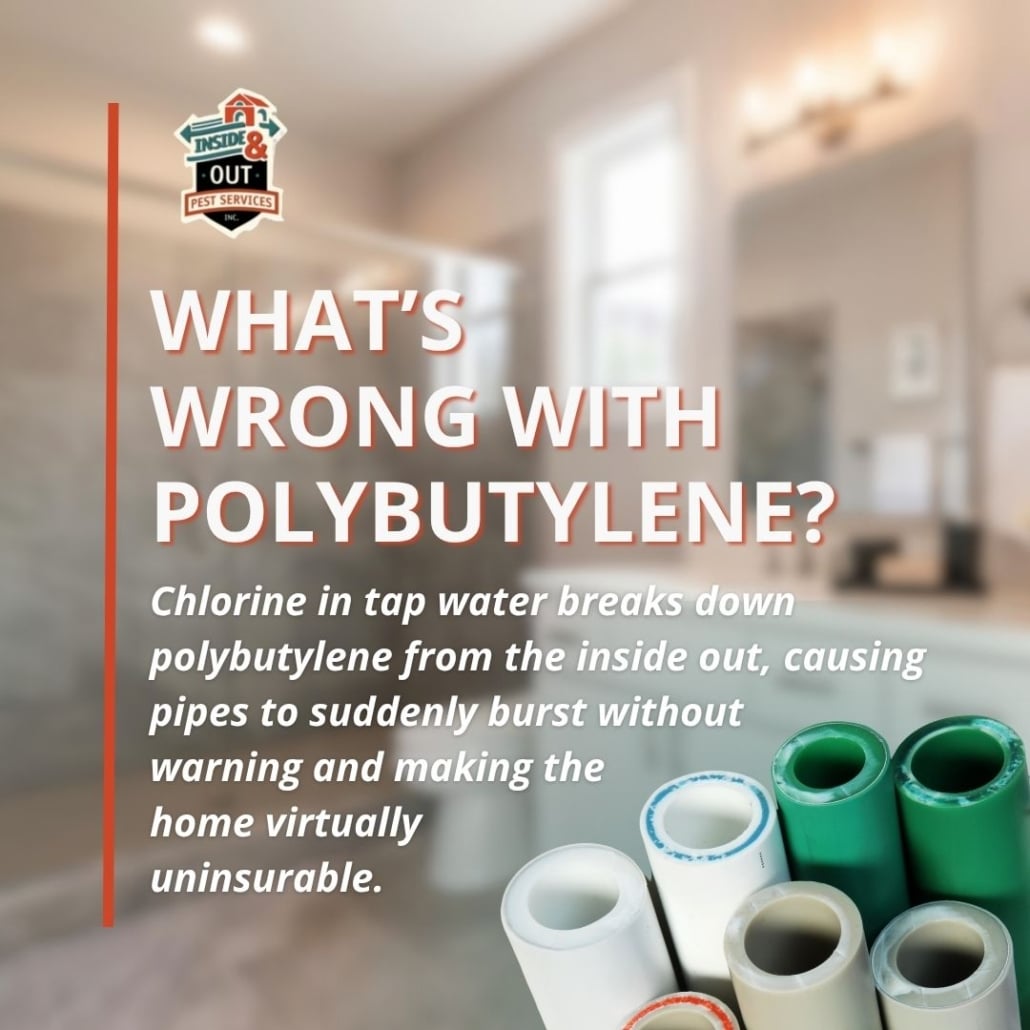
Polybutylene pipes fail because the chlorine and other disinfectants in city water slowly break down the plastic from the inside. The pipe can look perfectly fine on the outside while the inner wall turns brittle and flaky.
Here is what goes wrong over time:
- Chemical breakdown: Treated municipal water attacks the inner surface of the pipe. Small cracks form, then spread.
- Fitting failures: Early PB systems used plastic (acetal) fittings. These were especially prone to cracking. Later systems switched to metal crimp rings, which lasted longer but can still corrode or loosen.
- Poor installation: Rings crimped too tight or too loose, and pipes bent too sharply, add stress at weak points.
- No warning: PB rarely drips first. It tends to split or burst, which can flood a room while you are at work or asleep.
These problems led to one of the largest consumer class actions in U.S. history. The Cox v. Shell Oil settlement was finalized in 1995 with an initial fund of $950 million to pay for repairs and replacements. Production of PB for home plumbing stopped around the same time. The claims window closed in 2009, so there is no settlement money left today.
Hidden leaks behind walls also create the moisture that leads to mold growth in Florida homes, which adds to the cost of a failure.
How to Identify Polybutylene Plumbing in Your Home
The fastest way to identify polybutylene pipe is to find an exposed section and look for “PB2110” printed along its side. That code is the closest thing to proof you can get without opening a wall.
Color alone can fool you. Modern PEX tubing also comes in gray; white pipe may be PVC or CPVC, and black pipe may be polyethylene. Use the stamp, the home’s age, and the fittings together.
Check These Four Spots First
- Near the water meter or main shutoff valve. This is where the service line enters the home.
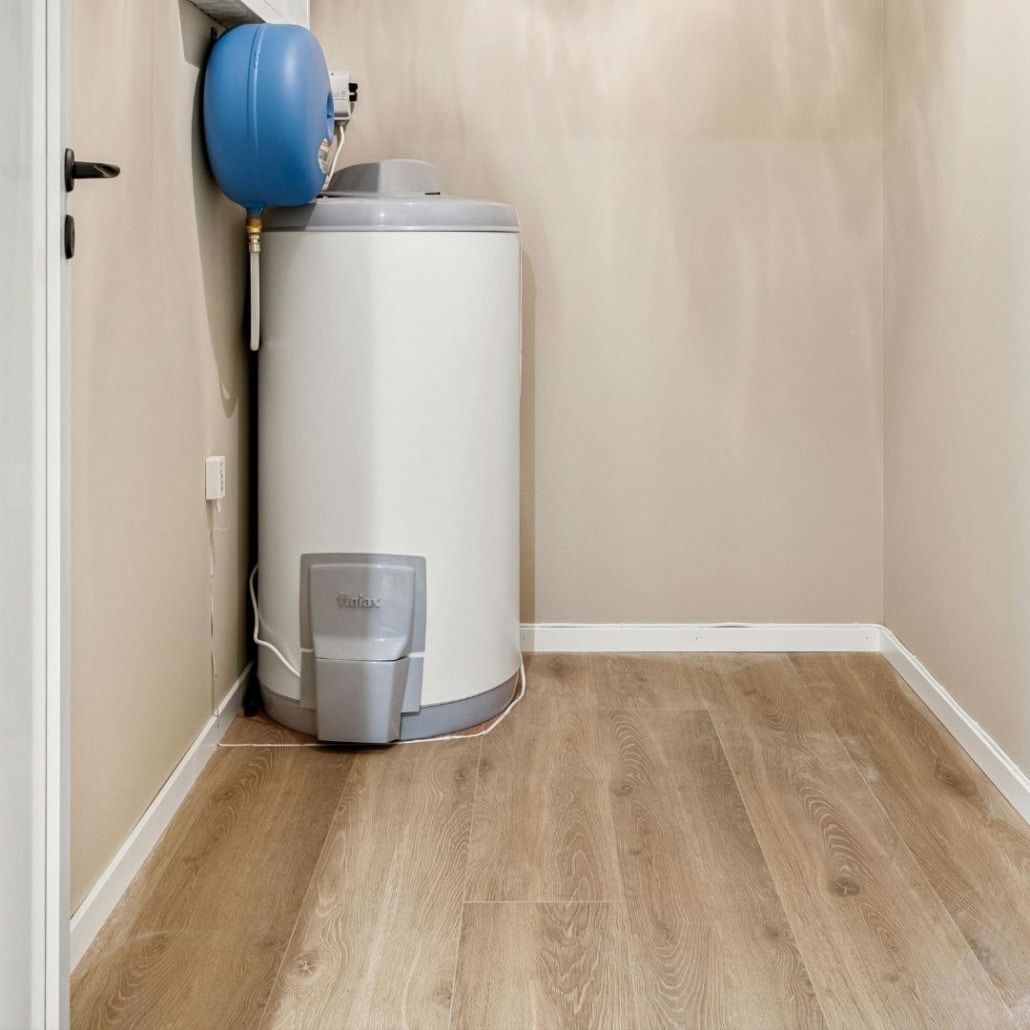
- At the water heater. Look at the pipes running into and out of the tank.
- Under sinks and vanities. Open the cabinets and follow the lines back toward the wall.
- Behind toilets. Check the supply line coming out of the wall.
Also look in the attic, since many Florida slab homes run supply lines overhead. PB often appears there as gray tubing with copper or plastic fittings clamped on.
Watch Out for Copper Stub-Outs
Plumbers often attach short copper pieces where pipes come out of the wall, because copper looks cleaner at fixtures. So you might see copper under your sink while PB runs through the walls behind it.
If your home was built between 1978 and 1995 and you see copper stub-outs, do not assume you are in the clear. A professional inspection can check the attic, water heater, and other access points to confirm what is actually in the system.
Noisy or sputtering lines are another clue that something has changed in your plumbing.
Polybutylene and Florida Home Insurance
Polybutylene plumbing is one of the most common reasons Florida homeowners get denied coverage or receive a non-renewal notice. Most carriers require a 4-point inspection on older homes, and the plumbing section asks the inspector to name the pipe material.
When PB shows up on that form, many private carriers will decline the policy outright. Others may require replacement within a set time frame or exclude water damage caused by the pipes.
Insurance Limitations
Even Citizens Property Insurance, Florida’s state-backed insurer, draws a hard line. Its eligibility FAQ says homes with polybutylene piping may only qualify if the dwelling is 20 years old or newer and shows no leaks or water damage. Since builders stopped installing PB in the mid-1990s, almost every home that still has it is well past that age limit.
If you get a non-renewal letter, do these things right away:
- Ask your agent in writing whether replacing the PB will restore the policy.
- Get quotes from other carriers or an independent agent before committing to a replumb.
- If you replumb, keep the permit, final inspection sign-off, and contractor invoice. Your next 4-point inspector will need them.
PB is not the only older material insurers flag. Homes from the 1960s and 1970s often face similar problems with single-strand aluminum wiring.
Repair or Replace? Your Options
Full replacement is the only long-term fix for polybutylene plumbing. Spot repairs can stop an active leak, but the rest of the system is the same age and made of the same material, so the next failure is usually a matter of time.
Your realistic options:
- Emergency spot repair: A plumber cuts out the failed section and joins new pipe to the old. This buys time but does not satisfy most insurers.
- Partial replumb: Replacing exposed or high-risk runs first. Some homeowners do this in stages, though insurers usually want the full system updated.
- Whole-home replumb: All PB supply lines are replaced. Many crews finish an average home in one to three days, then patch the drywall.
Whole-home repipe pricing depends on the home’s size, layout, and how much drywall needs to be opened up. Get at least two bids from licensed plumbers.
Replacement Materials Compared
| Material | Pros | Cons | Insurance view |
| PEX | Flexible, fewer fittings, freeze-resistant, lower cost | Must be shielded from UV light | Widely accepted |
| Copper | Very long life, proven track record | Higher cost, more labor | Widely accepted |
| CPVC | Rigid, affordable, handles hot water | Can turn brittle with age | Generally accepted |
PEX is the most common choice for Florida repipes today because it snakes through walls and attics with fewer cuts in the drywall.
Buying or Selling a Home With Polybutylene Plumbing
A home with polybutylene plumbing can still be a good buy, but you need to price the replumb and the insurance problem into your offer. Before you close, you will need proof that you can insure the home.
For buyers:
- Schedule a full home inspection and a 4-point inspection early in your inspection period.
- Call your insurance agent the same day PB shows up on a report. Ask what they need to bind a policy.
- Use repair estimates to negotiate a price reduction or seller credit.
For sellers:
- If your home was built between 1978 and 1995, a pre-listing inspection tells you what buyers will find.
- Replumbing before you list can remove a major objection and shorten your time on market.
- Disclose what you know. Florida law requires sellers to disclose known defects that materially affect value.
Water leaking from PB can also travel under slabs and into the yard.
Related Questions to Explore
- Is polybutylene pipe still up to code? No. Polybutylene is no longer manufactured for home water lines and is not accepted by current U.S. plumbing codes for new installs. Existing PB is not illegal to keep, and no Florida law forces you to remove it. The pressure to replace it comes from insurers and buyers, not code officials.
- Can you still file a polybutylene pipe lawsuit? For most homeowners, no. The Cox v. Shell Oil class action settlement stopped accepting claims in 2009. If a recent repair or replumb was done poorly, that is a separate issue to raise with the contractor. For help finding a qualified pro, see our approved contractors list.
- Does homeowners insurance cover polybutylene pipe damage? It depends on your carrier and policy. Many insurers treat PB failure as a known, preventable risk, so they may exclude the damage or refuse to cover the home at all. Read your policy’s water damage section and ask your agent directly.
- Should I buy a home with polybutylene plumbing? You can, as long as you confirm you can insure it and budget for replacement. Get your 4-point inspection and insurance quote during your inspection period, not after. Our guide on how to stop a leaking pipe can help you handle a small leak while you plan.
- What’s the difference between polybutylene and PEX? Both are flexible plastic pipes, but PEX (cross-linked polyethylene) is made to resist the chlorine that breaks down polybutylene. PEX is current, code-approved, and accepted by insurers. PB is not. Look for printed markings like “PEX” or “PB2110” to tell them apart.
When to Call a Professional
Call a professional inspector any time you suspect polybutylene and need a clear answer for insurance, a sale, or your own peace of mind. Most PB runs through walls, ceilings, and attics, so a trained eye and the right tools make the difference.
Schedule an inspection if:
- You are buying or selling a home built between 1978 and 1995.
- Your insurance company is asking for a 4-point inspection or has sent a non-renewal notice.
- You see gray, blue, or white flexible supply lines with crimp-ring fittings.
- You notice water stains on ceilings, warped flooring, or a sudden jump in your water bill.
Our infrared thermography inspection can spot the temperature changes hidden leaks cause behind drywall, without cutting into your walls. Our team includes InterNACHI Certified Master Inspectors, and two inspectors work each home on site.
Conclusion
Polybutylene pipe is a known risk that tends to fail without warning, and in Florida it can cost you your insurance long before it bursts. Knowing whether you have it puts you back in control.
- Homes built from 1978 to 1995 deserve a close look at the plumbing.
- A PB2110 stamp, gray flexible tubing, and crimp-ring fittings are the telltale signs.
- Whole-home replacement with PEX or copper is the fix most insurers want to see.
If you are buying, selling, or renewing a policy, request a free quote for a 4-point or full home inspection. Inside & Out Property Inspectors serves Jacksonville, St. Augustine, and the surrounding Northeast Florida communities.