
What Happens During a Final New Construction Inspection?
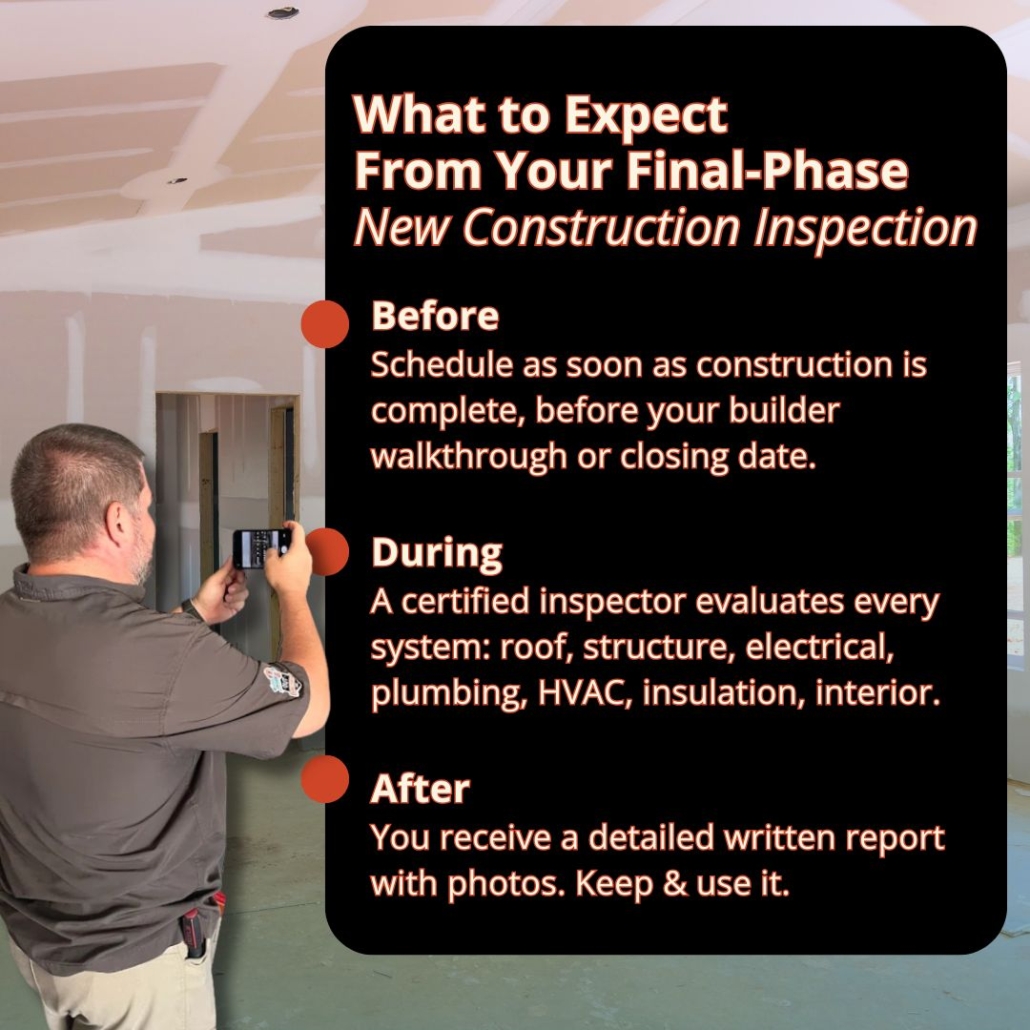
A final new construction inspection is your last chance to catch problems before the home officially becomes yours. Once you close, anything left unaddressed is your responsibility, not the builder’s. This is the third and final phase of the new construction home inspection process, and it is every bit as important as the phases that came before it.
The pre-slab inspection evaluated the foundation preparation and structural integrity before concrete was poured. The pre-drywall inspection covered framing, internal plumbing structures, electrical routing, and HVAC before the walls closed up. Now, with construction complete, the final inspection verifies that every system is functional, installed correctly, and safe before you sign and take occupancy.
Here is what a final new construction inspection covers and why hiring a professional home inspector before closing is one of the smartest decisions a new construction buyer can make.
Why New Construction Homes Need an Independent Inspection
New does not mean defect-free. Research from LJP Construction Services found that Florida has a construction deficiency rate of 5%, one of the highest in the country, and nearly double California’s rate. The most common issues involve exterior weather barriers, framing, mechanical systems, and window and door installations.
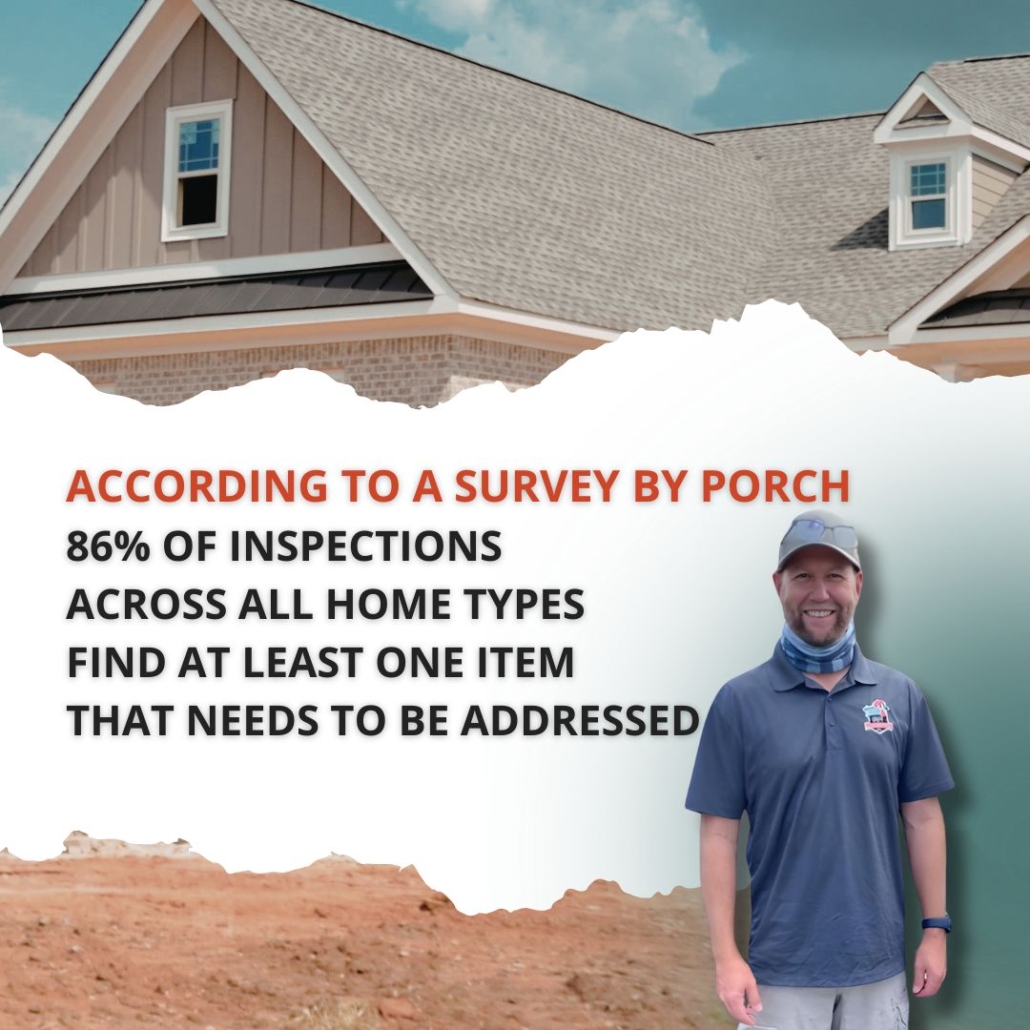
Across all home types, 86% of inspections find at least one item that needs to be addressed, according to a Porch survey of nearly 1,000 homebuyers.
More than half of new-build homeowners discover defects after moving in and deal with necessary repairs that disrupt life in a brand-new home.
Many contractors and builders cut corners or make honest mistakes under tight timelines. City building inspectors are responsible for enforcing local building codes, which cover bare minimum safety standards and do not ensure overall construction quality. Municipal codes will not protect you from many of the defects a thorough construction home inspection would identify.
Identifying defects before closing also gives you leverage. Homebuyers can request that the builder complete repairs or negotiate a reduction in the purchase price to account for any required work. A simple $300 to $500 investment in a new construction inspection can save tens of thousands in future repairs.
The Three Phases of a New Construction Home Inspection
There are three phases to the new construction inspection process, and each is equally important.
- Phase 1: Pre-Slab Inspection evaluates preparation and structural integrity before the foundation is poured, including soil conditions, rebar placement, and plumbing rough-in below the slab.
- Phase 2: Pre-Drywall Inspection occurs after the foundation is poured and before the drywall is hung. This phase allows inspectors to evaluate complex framing, internal plumbing structures, and electrical routing before they are hidden behind walls.
- Phase 3: Final Inspection is where inspectors review all aspects of the completed construction home to verify that everything is functional and safe before occupancy.
Multiple inspections throughout the building process are recommended to catch defects early and ensure quality at every stage.
What a Final New Construction Inspection Covers
The final new construction inspection is a full top-to-bottom evaluation of the completed home. Here is a breakdown of what gets covered.
Exterior and Roof
The inspector evaluates the roof covering, flashing, gutters, soffits, and fascia. Exterior siding, trim, windows, and doors are checked for proper sealing, drainage, and installation. Grading around the foundation is reviewed to confirm water drains away from the home.
In Jacksonville and across Northeast Florida, where heavy summer rain is routine, improper grading is one of the most consequential things a home inspector can catch at this stage.
Structure and Foundation
The foundation and visible structural components are reviewed for cracks, settling, or framing concerns that developed as the build progressed. Identifying a foundation issue before closing can save tens of thousands in future repairs that may not be fully covered once the builder’s warranty ends.
Electrical Systems
With the system live and operational, the inspector checks the main panel, circuit breakers, outlets, switches, light fixtures, and GFCI protection in all required locations. Everything is verified to be installed correctly, properly grounded, and free of safety hazards.
Plumbing
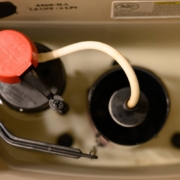
Every fixture is run. The inspector checks for leaks, tests water pressure, verifies drainage, and reviews water heater installation, venting, and safety components. Supply and waste line installation quality is evaluated where accessible.
HVAC Systems
Heating and cooling equipment is tested for proper operation, including the air handler, condenser, ductwork, and registers. HVAC systems must be balanced for the home and functioning as designed.
In Florida’s climate, this directly affects comfort, energy costs, and indoor air quality from the first day in the home. A thorough inspection here can also identify energy efficiency opportunities before they become ongoing expenses.
Insulation and Attic
Insulation depth, coverage, and attic ventilation are evaluated. In Northeast Florida’s heat and humidity, problems here cause early HVAC wear, elevated energy costs, and moisture issues that are far more expensive to address after closing.
Interior
Every room gets an assessment. Walls, ceilings, floors, doors, windows, cabinets, and built-in features are evaluated for quality and function. Stairways, railings, and safety-related elements are verified. The inspector is also watching for surface signs of deeper issues, such as drywall cracking near openings or floors that are not level.
Garage
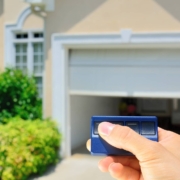
Garage structure, door operation, opener safety features, and fire separation between the garage and living space are all included.
What Inspectors Commonly Find
Even on brand-new construction homes, findings are routine. Common items documented during final new construction inspections include:
- HVAC systems not operating within normal parameters or not balanced for the home
- Grading issues that leave the foundation vulnerable to water intrusion
- Missing or improper GFCI protection in required locations
- Roofing deficiencies, including improper flashing or loose components
- Plumbing defects such as leaking fixtures, slow drains, or low water pressure
- Insulation gaps or voids in the attic
- Windows and doors that do not seal or operate correctly
- Electrical concerns that passedthe rough-in but created problems by the time the system was fully installed
None of this is unusual. It is what happens when dozens of contractors work through a build on a deadline. That is exactly why an independent construction inspection matters.
Add-On Inspections to Consider
Several additional services pair well with a final new construction inspection, depending on your home and community.
- Sewer scope inspection: A camera is run through the main sewer line to check for construction debris, improper slope, or damage. Inside & Out Property Inspectors was among the first companies in Northeast Florida to offer this service, and it is one of the most practical add-ons for new construction homes.
- Thermal imaging: Infrared scanning detects moisture intrusion, heat loss, or electrical hotspots that a standard visual inspection will not catch, particularly behind walls and in the attic.
- Mold inspection: Buildings that sat open through extended heat and humidity may warrant a mold evaluation before closing.
What Happens After the Inspection?
You receive a detailed written report, typically within one to two business days, documenting every finding with photos and descriptions. That report is your punch list for the builder conversation before you sign.
Keep it after closing. It is the starting point for your 11-month warranty inspection. An 11-month inspection catches issues while the builder is still responsible for repairs, so items can be submitted before the warranty expires. Most new construction homes come with a one-year builder warranty, and this inspection ensures you use it.
Builder Walkthroughs vs. Independent Inspections
|
Builder Walkthrough |
Independent Inspection |
|
|
Purpose |
Orientation and cosmetic punch list |
Full structural and systems evaluation |
|
Who conducts it |
Builder’s team |
Third-party professional home inspector |
|
Financial interest in sale |
Yes |
No |
|
Scope |
Bare minimum code compliance |
Workmanship quality, safety, and code |
|
Report provided |
Varies |
Detailed written report with photos |
City inspectors are responsible for enforcing local building codes, not ensuring the quality of construction. An InterNACHI-certified home inspector with over 20 years of construction experience evaluates your new home with no stake in the outcome.
Questions New Construction Buyers Ask
What does a home inspection cover?
A standard home inspection evaluates the major systems and components of a property from foundation to roof, including electrical, plumbing, HVAC, and structural elements. It gives buyers a detailed picture of the home’s condition before closing.
What is a sewer scope inspection?
A sewer scope runs a camera through the main sewer line to check for damage, improper slope, or construction debris. It is one of the most practical add-ons for any home purchase, new construction, or otherwise.
Is a sewer scope necessary on a brand-new home?
It is one of the most overlooked add-ons for new construction homes. Construction debris in the sewer line is a common finding and far less disruptive to address before you move in.
What is thermal imaging, and when does it make sense?
Thermal imaging uses infrared technology to detect moisture, heat loss, and electrical hotspots behind walls and ceilings that are not visible during a standard walkthrough. It adds a meaningful layer of detail to any inspection. Below, you can check out an example of a thermography inspection done by the Inside & Out team!
Conclusion
A final new construction inspection is not an extra step. It is the step that completes the process and protects your investment. An independent, thorough inspection before closing is how you confirm the home is safe.
Inside & Out Property Inspectors serves buyers throughout Northeast Florida, including Jacksonville and surrounding communities. With over 20 years of hands-on construction and inspection experience and a team approach to every property, the crew delivers detailed reports that give you real leverage going into closing.