How to Find & Select The Best New Construction Inspector
Buying a new build feels different from buying a resale home. Everything is fresh. The finishes are clean, the systems are new, and the builder has assured you the home meets code. It is easy to assume that means everything is in order.
But new construction homes are not exempt from defects. Missed code items, improper installations, and workmanship issues make it into finished homes regularly, often because municipal building inspectors are spread thin and are not evaluating every detail of every build. A private new construction inspector works for you, not the municipality and not the builder, and their job is to catch what others miss before you close and before the home is officially yours.
The question is not really whether to get one: it’s how to find the right one.
The New Construction Distinction
Inspecting a new build is not the same as inspecting a resale home. The two require overlapping but distinct scopes and skill sets, and not every inspector is equally equipped for both.
With a resale home, an inspector is evaluating age-related wear, deferred maintenance, and the cumulative effects of how a home has been used over time. With a new construction home, the inspector is evaluating build quality: whether framing is correct, whether systems were installed per manufacturer specifications, whether the home was built to current code, and whether the builder’s punch list was actually completed before closing day.
This distinction matters when you are choosing who to hire. An inspector with deep construction knowledge brings a different lens to a new build than someone whose experience is primarily in resale properties. They know what shortcuts look like, they know where builders commonly cut corners under schedule pressure, and they know how to evaluate a home against the standards it was actually built to, rather than the standards of a home built 30 years ago.
What Qualifications Actually Matter?
Licensing requirements for home inspectors vary by state. In Florida, home inspectors must be licensed through the Department of Business and Professional Regulation. That is the floor. The best inspectors have gone considerably further.
Here is what to look for beyond the state license:
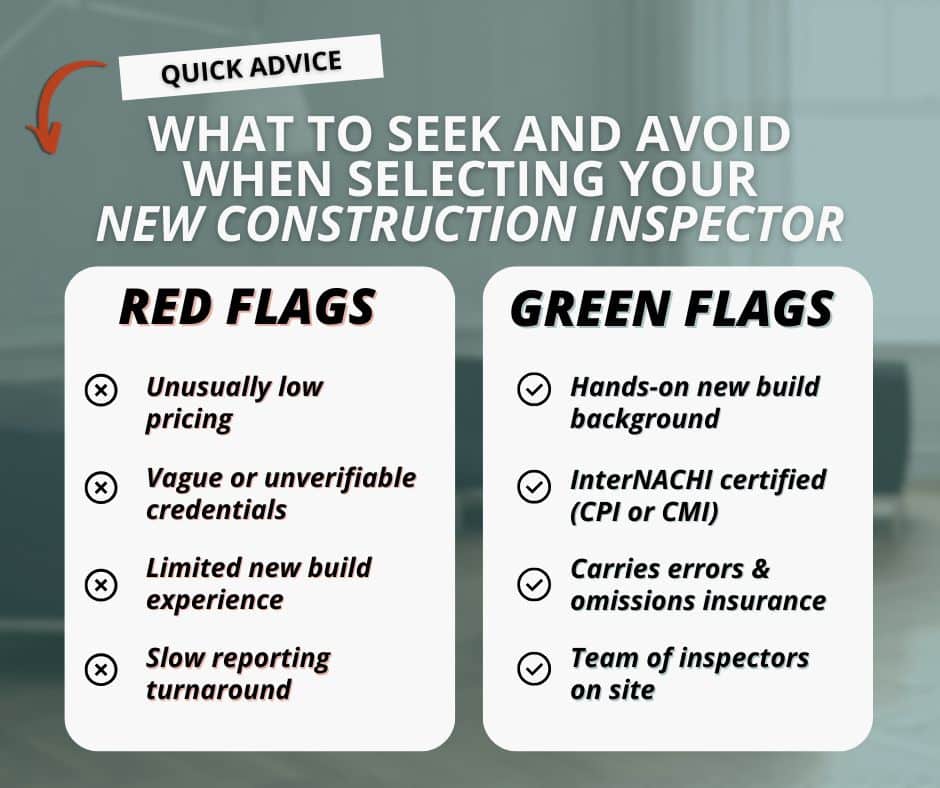
- InterNACHI certification: The International Association of Certified Home Inspectors sets continuing education requirements above what Florida mandates. The Certified Professional Inspector (CPI) and Certified Master Inspector (CMI) designations both indicate inspectors who have committed to expertise beyond the minimum.
- Construction experience: A license certifies that someone has passed a test. It does not tell you whether they have ever swung a hammer, managed a build, or worked in the trades. Inspectors with hands-on construction backgrounds understand how homes are actually built, which changes what they look for and what they catch.
- Specialty certifications relevant to your build: Depending on your home, thermography certification, stucco inspection certification (such as EDI Level II), or mold assessor licensure may all be relevant. Specialty credentials matter most when your home has stucco exteriors, spray foam insulation, or sits in a flood zone.
- Errors and omissions insurance: This protects you if something is missed that causes financial harm. Confirm coverage before hiring.
- Team inspections: Some companies send two inspectors rather than one. For a new construction home, which has more ground to cover than most resale properties, two inspectors on site simultaneously means more thorough coverage without cutting corners on time.
These are the credentials and practices that separate a thorough new construction inspector from someone who meets the legal minimum to do the job.
Questions Worth Asking The Inspector
Not every inspector who advertises new construction experience has the background to back it up. A brief conversation before scheduling can tell you a lot.
Ask these before you book:
- How many new construction inspections have you completed in the last year?
- What is your background in construction or the building trades?
- Do you have any specialty certifications relevant to new construction, such as thermography or stucco?
- Will you attend the builder’s final walkthrough, or is this a separate inspection?
- How is the report delivered, and how soon after the inspection?
- Do you carry errors and omissions insurance?
- How many inspectors will be on site?
The answers will tell you whether you are talking to someone with real new construction depth or someone who inspects new builds occasionally alongside a resale-heavy workload.
What a New Construction Inspector Should Evaluate
A thorough new construction inspection goes well beyond the builder’s own walkthrough checklist. Builders conduct their own pre-closing reviews, but those are conducted by people who have a financial interest in closing on schedule. A third-party inspector has no such pressure.
Expect a thorough inspector to evaluate:
- Structural components, including framing, foundation, and load-bearing elements
- Roof installation, including flashing, penetrations, and ventilation
- HVAC installation and function relative to manufacturer specifications
- Electrical panel, outlets, GFCI and AFCI protection, and service capacity
- Plumbing rough-in and fixtures, including water heater installation
- Insulation installation quality and coverage
- Windows and doors for proper fit, operation, and sealing
- Grading and drainage around the foundation
- Interior finishes for defects, damage, and incomplete work
If thermography is part of the inspection, it adds the ability to identify moisture intrusion, insulation gaps, and electrical anomalies that are not visible to the naked eye, particularly valuable in a new build where walls are still intact, and problems can hide easily.
Timing Matters More Than Most Buyers Realize
For a new construction home, the final inspection before closing is the most commonly scheduled one. But it is not the only opportunity, and it is not necessarily the most valuable one on its own.
Private inspections can also be conducted at two earlier stages: before the concrete slab is poured, when the foundation prep work is still visible, and before drywall is installed, when the framing, electrical, plumbing, and HVAC rough-ins are all exposed and accessible. Issues caught at these stages are far easier and less expensive to correct than the same issues discovered after the walls are closed up.
If your builder’s schedule allows for it, asking about pre-slab and pre-drywall inspections in addition to a final walkthrough inspection is worth the conversation. Not every buyer takes advantage of all three, but every buyer who does has a much more complete picture of their home’s construction quality before they take ownership.
Red Flags When Evaluating Inspectors
Just as there are signs of a strong inspector, there are signs worth being cautious about.
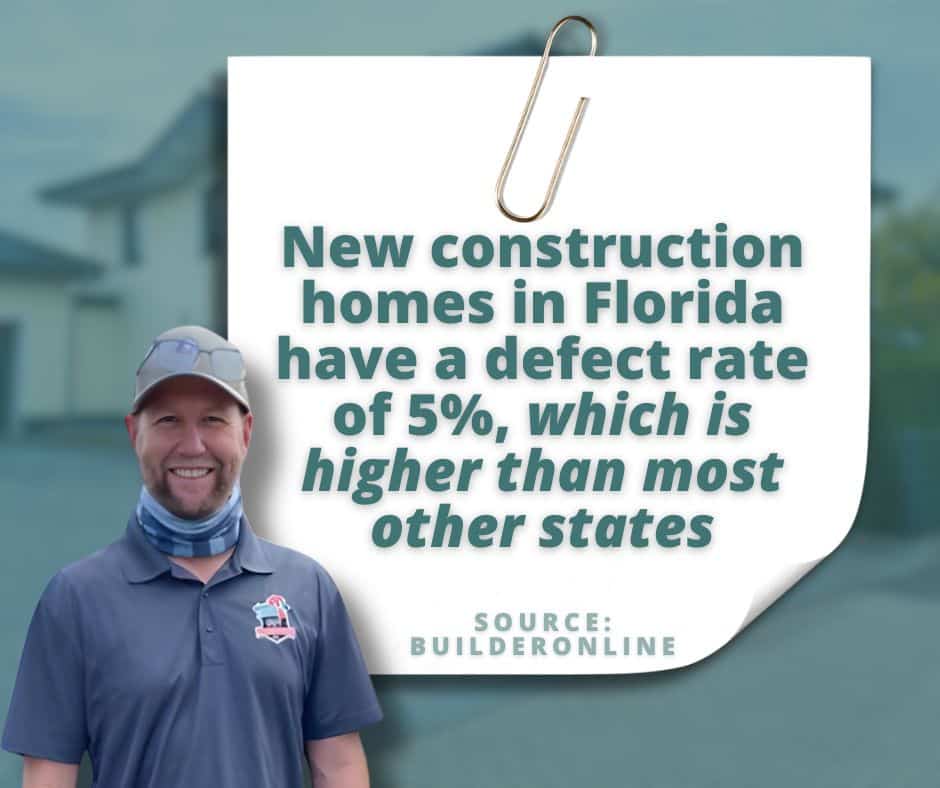
- Unusually low pricing: Inspection pricing varies, but significantly below-market rates often reflect limited experience, high volume with reduced thoroughness, or lack of proper insurance coverage.
- No verifiable credentials: If an inspector cannot point you to a license number, certification body, or professional association, keep looking.
- Vague experience claims: “I inspect new construction” is not the same as being able to describe their process, their construction background, and the specific things they look for in a new build.
- Slow or confusing report: A detailed inspection report should follow the inspection promptly. If the turnaround is multiple days, that affects your ability to use the findings in closing negotiations.
- Reluctance to answer questions: A confident, experienced inspector welcomes the questions listed above. Vague or evasive answers are a signal.
Related Questions
What is the difference between a pre-drywall inspection and a final new construction inspection?
A pre-drywall inspection takes place before the walls are closed up, while framing, plumbing, electrical, and HVAC rough-ins are still visible. A final inspection happens just before closing and evaluates the completed home. They serve different purposes, and many buyers benefit from both.
What is a pre-slab inspection, and do I need one?
A pre-slab inspection is conducted before the concrete foundation is poured, evaluating the preparation work underneath. This is the earliest opportunity in the construction process to catch issues that would be inaccessible and expensive to correct after the slab is in place.
Does a new construction home also need a wind mitigation inspection?
In Florida, wind mitigation inspections are tied to insurance rather than the purchase transaction itself. A new construction home built to the current Florida building requirements will generally have strong wind mitigation features, but a formal inspection documents those features for your insurer and can meaningfully reduce your homeowner’s insurance premium.
What is a 4-point inspection, and is it required for a new build?
A 4-point inspection evaluates the four major systems most relevant to insurers: roof, electrical, HVAC, and plumbing. Insurers in Florida often require a 4-point inspection for older homes. But may request one for newer properties as well, depending on the insurer and policy type.
Conclusion
A new construction home is not automatically a defect-free home. Builders work under pressure, subcontractors vary in quality, and municipal inspectors are not there to protect your investment specifically. A private new construction inspector is.
Choosing the right one means looking past the license and asking the questions that surface real construction experience, proper credentials, and a process thorough enough to catch what others miss. Inside & Out Property Inspectors serves buyers across Jacksonville, St. Augustine, Ponte Vedra Beach, and the surrounding areas of Northeast Florida. Schedule your new construction inspection before you close.