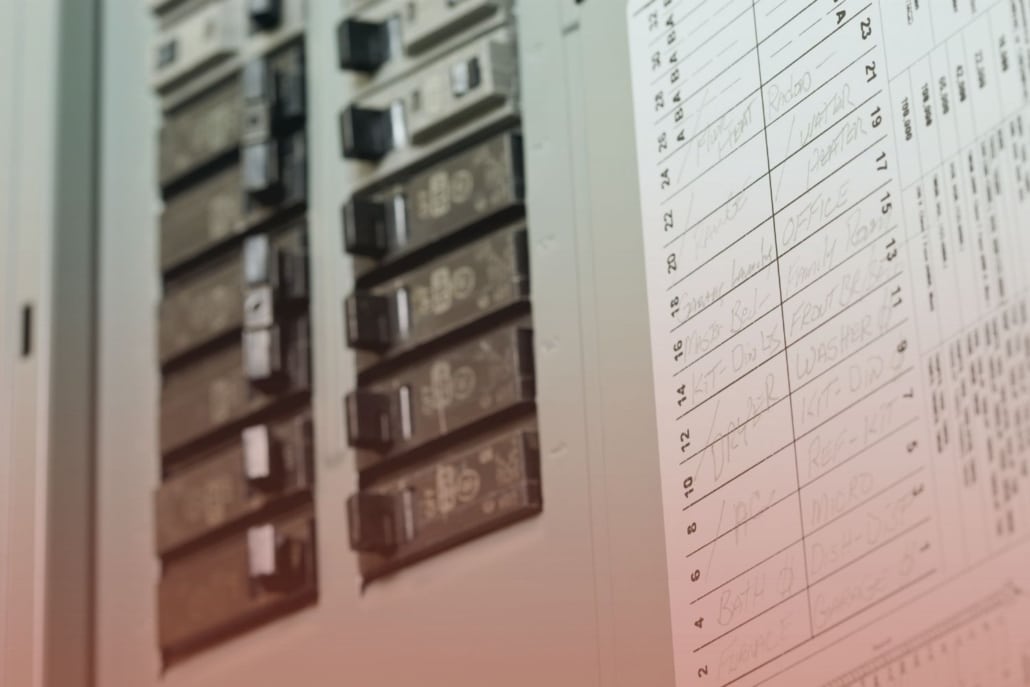
Why Are Certain Electrical Panels Non-Insurable in a Home?
Understanding why some electrical panel types are considered non-insurable helps you prepare for inspections, avoid last-minute surprises, and make informed decisions about safety and insurance.
Electrical panels are rarely top of mind for homeowners. If the lights turn on and the outlets work, the panel itself is easy to ignore. That changes quickly during a home inspection or insurance review, when certain electrical panels are flagged as non-insurable.
For buyers, sellers, and homeowners in Jacksonville and surrounding areas, this can be surprising and stressful. A panel may appear to function normally and still raise concerns with insurance companies. In Florida’s current insurance environment, those concerns can delay closings, affect coverage options, or require upgrades sooner than expected.
What Does “Non-Insurable Electrical Panel” Actually Mean?
When an electrical panel is labeled non-insurable, it does not mean the panel is illegal or automatically unsafe. It means many insurance providers consider that specific panel type to present a higher risk based on documented performance history, testing data, or claims trends.
Insurance companies evaluate risk differently from building departments. Their goal is to limit losses before they occur. If a panel design shows a higher likelihood of failure during overloads or short circuits, insurers may refuse coverage or require replacement as a condition of the policy.
From an inspection perspective, this designation is about transparency. Inspectors identify the panel type and document known concerns so homeowners understand how it may affect safety and insurability.
Why Insurance Companies Pay Close Attention to Electrical Panels
Electrical fires remain a leading cause of residential fire damage. According to national fire data, electrical distribution systems are consistently among the top causes of home fire losses.
The electrical panel is designed to act as a safety gatekeeper. It should:
- Distribute electricity safely throughout the home
- Interrupt power during overloads or faults
- Protect wiring from overheating
When a panel does not reliably perform these functions, the risk of fire increases significantly. Insurance companies rely on long-term loss data rather than appearance alone. Even panels that look clean and well-maintained may be flagged if internal components have a history of failure.
In Florida, insurers often scrutinize electrical systems more closely due to higher claim volumes and tighter underwriting standards.
Panel Type Matters More Than Age Alone
Age is often blamed for panel issues, but design and manufacturing history are usually more important.
Some older panels continue to perform safely when properly installed and maintained. Others contain design flaws that increase failure risk regardless of age or condition.
Inspectors focus on:
- Manufacturer and model
- Breaker design and compatibility
- Documented failure patterns
- Ability to handle modern electrical loads
Homes today use far more electricity than homes built decades ago. Older panel designs may not be equipped to handle current demand safely, even if they appear functional.
Common Electrical Panels Often Flagged as Non-Insurable
Inspectors commonly encounter a small group of non-insurable electrical panel types that insurance companies frequently flag due to known concerns.
These include:
- Federal Pacific Electric panels
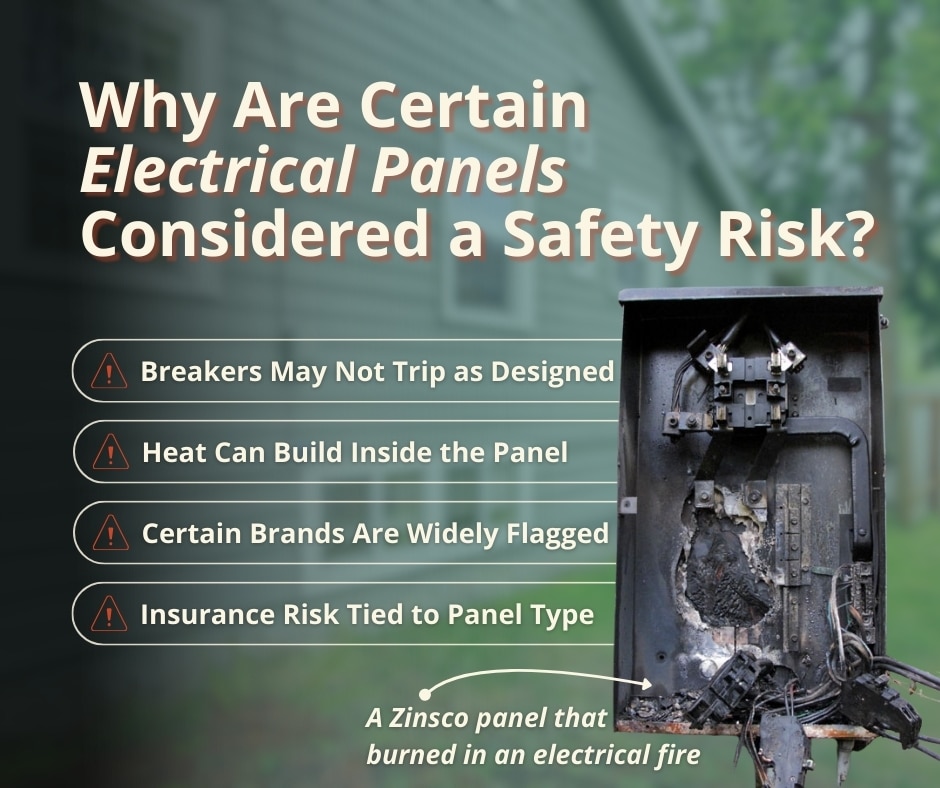
- Zinsco panels
- Challenger panels
- Certain older Pushmatic panels
Each of these panels has a documented history that affects how insurers evaluate risk, regardless of visible condition.
Why Federal Pacific Panels Are a Frequent Concern
Federal Pacific Electric panels are one of the most widely recognized non-insurable panel types. The primary concern involves breaker performance under fault conditions.
Independent testing and field experience have shown that some Federal Pacific breakers fail to trip during overloads or short circuits. When breakers do not trip, wiring can overheat without interruption, increasing fire risk inside walls and panel cabinets.
Because this failure happens internally, the panel may appear to function normally until a dangerous event occurs. This uncertainty is why insurers often require replacement rather than repair.
Why Zinsco and Similar Panels Are Flagged
Zinsco panels raise concerns for different reasons. Over time, some Zinsco breakers have been found to fuse to the bus bar instead of disconnecting properly.
When this occurs:
- Power may not shut off when needed
- Heat can build at connection points
- Damage can progress without a visible warning
These issues are not always detectable during a visual inspection, which makes risk harder to predict. As a result, many insurers treat Zinsco panels as high risk even when no outward damage is present.
Why a Panel Can Appear to Work and Still Be a Problem
One of the most confusing aspects for homeowners is being told a panel is an issue even though everything seems fine.
Electrical panels are designed for abnormal conditions, not everyday use. The real test occurs during faults, overloads, or short circuits. Panels with known failure histories may operate normally until the moment they are needed most.
Inspectors flag these panels because the risk exists even without symptoms. Insurance companies focus on the probability of failure, not whether failure has already occurred.
How Inspectors Identify Non-Insurable Panels
During a home inspection, inspectors do more than confirm that power is present. They identify the panel brand, model, and configuration, and evaluate overall condition.
Inspectors typically assess:
- Manufacturer labeling
- Breaker type and fit
- Signs of overheating or corrosion
- Modifications or mismatched components
When a known high-risk panel is present, it is documented so homeowners understand potential insurance implications. Inspectors do not determine insurance approval, but they provide the information insurers rely on.
Why Non-Insurable Panels Matter in Real Estate Transactions
Electrical panel issues often surface during buying or selling, when timelines are tight, and insurance approval is critical.
For buyers, a non-insurable panel can:
- Delay insurance approval
- Trigger lender requirements
- Create unexpected upgrade costs
For sellers, these panels can:
- Complicate negotiations
- Delay closings
- Require pre-listing upgrades
In Jacksonville and surrounding areas, where insurance approval is often tied to closing, panel issues can quickly become deal-impacting.
Code Compliance vs Insurance Requirements
A panel can meet building code requirements and still be considered non-insurable. This disconnect often frustrates homeowners.
Building codes focus on installation standards at the time a home was built or remodeled. Insurance requirements focus on current risk based on performance data and claims history.
This explains why a panel may pass a municipal inspection yet still be rejected by insurers. Code compliance does not override documented risk.
How Florida Insurance Trends Affect Panel Decisions
Florida’s insurance market has tightened significantly in recent years. Insurers are reducing exposure by applying stricter underwriting guidelines, especially for older homes and electrical systems.
Electrical panels receive increased scrutiny because:
- Electrical fires represent high-cost claims
- Older panel types show higher loss histories
- Insurers aim to reduce preventable risks
As a result, panel types that may have been accepted in the past are now more frequently flagged. Identifying these issues early through inspection helps homeowners plan upgrades on their timeline instead of reacting under pressure.
When Replacement Is Typically Recommended
Inspectors do not perform electrical repairs, but they may recommend further evaluation by a licensed electrician.
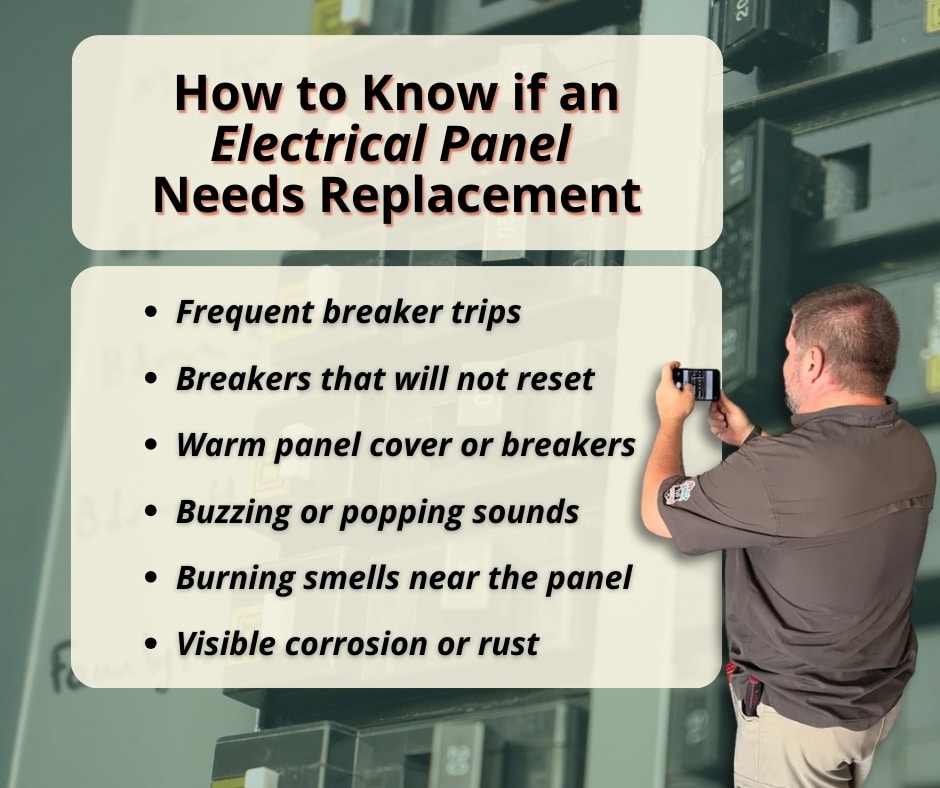
Replacement is usually recommended when:
- A panel type is known to be non-insurable
- Breakers show signs of overheating or failure
- The panel is undersized for current demand
- Insurance coverage is affected
Replacing a high-risk panel often improves safety, insurability, and resale confidence.
Common Misunderstandings About Non-Insurable Panels
Many homeowners believe visible damage must be present for a panel to be a concern. Others assume insurers will make exceptions if the panel appears clean.
In reality, insurers rely on panel type, documented failure rates, and historical data.
Appearance alone does not outweigh known risk factors.
Other Related Questions
How does a home inspection evaluate electrical safety overall?
Inspectors review the main panel, subpanels, wiring methods, visible connections, and safety concerns to provide a broad assessment of electrical system condition.
What electrical issues most often affect insurance approval in Florida?
Panel type, outdated wiring methods, and signs of overheating are common factors that influence insurance decisions.
What other systems are reviewed during a full home inspection?
Inspectors also evaluate roofing, structure, plumbing, HVAC, and other major components that affect safety and value.
When to Call a Professional
A home inspector should be contacted when:
- Buying or selling a home
- Preparing for insurance underwriting
- You want a complete evaluation of electrical and structural systems
- Electrical concerns may affect other areas of the property
Inspectors identify issues, document conditions, and explain implications. They do not perform repairs or upgrades.
A licensed electrician is needed when:
- A panel has been flagged for further evaluation
- Replacement or upgrades are required
- Electrical repairs are needed to meet insurance or safety requirements
Understanding the difference helps homeowners move forward efficiently.
Conclusion
Certain electrical panels are considered non-insurable because of documented safety and performance concerns, not because they suddenly stop working. Insurance companies focus on risk, and panel type plays a major role in that evaluation.
For homeowners in Jacksonville and surrounding areas, identifying these issues early helps avoid delays, unexpected costs, and insurance complications.
Inside & Out Property Inspectors provides clear, unbiased insight into electrical system concerns so homeowners can make informed decisions with confidence. Book your inspection today.