
Common Concerns With Stucco For an Exterior Wall
Stucco is one of the most popular exterior finishes on homes throughout Jacksonville, St. Augustine, and the surrounding Northeast Florida area. It holds up well in warm climates, offers design flexibility, and, when properly maintained, can last for decades.
But stucco has a well-documented set of vulnerabilities, and in Florida’s humid, coastal climate, those vulnerabilities get tested constantly.
Understanding the most common concerns helps homeowners and buyers know what to watch for, when to act, and when a professional inspection is the right next step.
Why Stucco Concerns Should Be Taken Seriously
Most stucco problems start small. A hairline crack here, a faint stain there. The issue is that stucco is a layered system applied over the wall assembly, which means surface problems often reflect something more significant happening behind them.
Water that gets past the stucco face does not simply evaporate. It sits inside the wall, where it can damage sheathing, promote mold growth, and compromise structural framing, all while the exterior looks relatively normal.
In Florida, that risk is amplified. High humidity, heavy rain, tropical storms, and salt air along the coast all accelerate the conditions that lead to stucco failure. Homes in communities like Nocatee, Ponte Vedra Beach, Atlantic Beach, and St. Augustine Beach face particularly demanding exterior exposure year-round.
Traditional Stucco vs. EIFS: Why the Type Matters
The two main systems installed on homes today have very different risk profiles, and that distinction shapes how any stucco concern should be evaluated.
- Traditional hard-coat stucco is cement-based, applied in multiple layers over metal lath. It is durable, fire-resistant, and breathable, allowing moisture to escape rather than become trapped. When properly installed and maintained, it is one of the more forgiving exterior finishes available.
- EIFS (Exterior Insulation and Finish System), sometimes called synthetic stucco, uses foam insulation boards topped with a polymer coating. It offers better energy efficiency but is significantly less forgiving with moisture. Any water that gets past the finish layer has fewer ways out. EIFS systems without proper drainage planes or flashing are among the most common sources of hidden moisture damage found during stucco inspections in Northeast Florida.
| Feature |
Traditional Stucco |
EIFS / Synthetic Stucco |
|
Base material |
Cement, lime, sand |
Foam insulation + polymer coating |
|
Breathability |
Higher |
Lower |
|
Moisture risk |
Moderate with age |
Higher if not installed correctly |
|
Durability |
50+ years when maintained |
Varies by installation quality |
|
Common failure point |
Cracking, efflorescence |
Moisture intrusion, improper flashing |
The Most Common Stucco Problems on Florida Homes
Florida’s climate puts stucco through a demanding cycle of heat, humidity, rain, and UV exposure year-round. These are the problems that show up most often as a result.
- Cracking: Some cracking is normal as stucco expands and contracts with weather changes. Hairline cracks are typically cosmetic and manageable with timely sealing. The concern arises with cracks wider than 1/8 inch, diagonal cracks at window and door corners, or patterns that develop or grow over time. In Florida, where clay soils shift with moisture changes, these can indicate settlement or installation failure.
- Moisture intrusion: This is the most consequential stucco problem. Water can enter through unsealed cracks, failed caulking, missing flashing, and gaps at roof-to-wall transitions. Once inside the wall, it damages sheathing, promotes mold, and compromises framing, often invisibly. By the time interior signs appear, like a mildew smell or soft drywall near a window, the damage behind the stucco is typically well established.
- Efflorescence: White or chalky deposits on the stucco surface are caused by water moving through the material and carrying dissolved salts to the face as it evaporates. Efflorescence is not structurally damaging on its own, but it reliably signals that water is actively moving through the system.
- Failed caulking and sealant: Every penetration in a stucco wall, windows, doors, utility lines, and hose bibs is a potential water entry point. Caulk and sealant break down over time under Florida’s UV exposure and temperature swings. Failed sealant around windows is one of the most common findings during stucco inspections in the Jacksonville area and one of the most preventable causes of moisture intrusion.
- Improper installation: Missing weep screeds, insufficient stucco thickness, inadequate lath coverage, and poor flashing integration all create conditions for premature failure. These issues are often not visible during routine maintenance checks, which is why pre-purchase stucco inspections matter on homes where the installation history is unknown.
Warning Signs to Watch For
Whether you own a stucco home or are considering buying one, these are the signs that warrant a closer look:
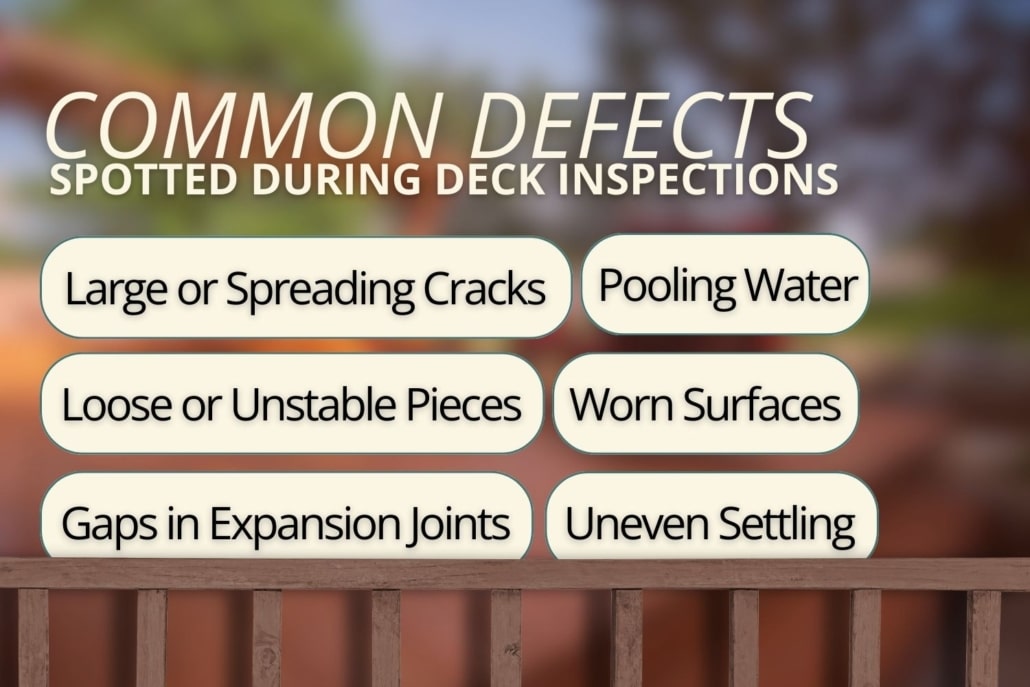
- Cracks wider than a hairline, especially diagonal ones at the window and door corners
- Staining, discoloration, or dark streaking on the surface
- White chalky deposits (efflorescence) in recurring patterns
- Soft, spongy, or hollow-sounding areas when you tap the stucco
- Gaps or missing caulk around windows, doors, or stucco-to-trim transitions
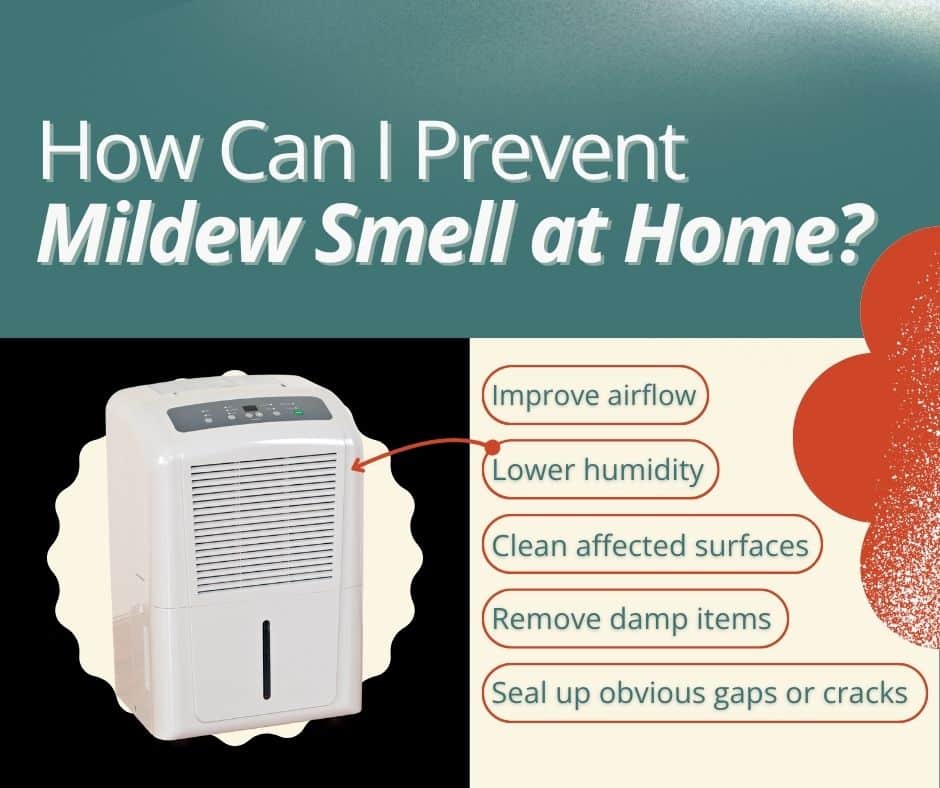
- Interior signals: mildew smell near exterior walls, damp drywall, staining above baseboards, or warped window casings
Any combination of interior and exterior signs together is a strong indicator that moisture has already entered the wall system.
What Does a Stucco Inspection Involve?
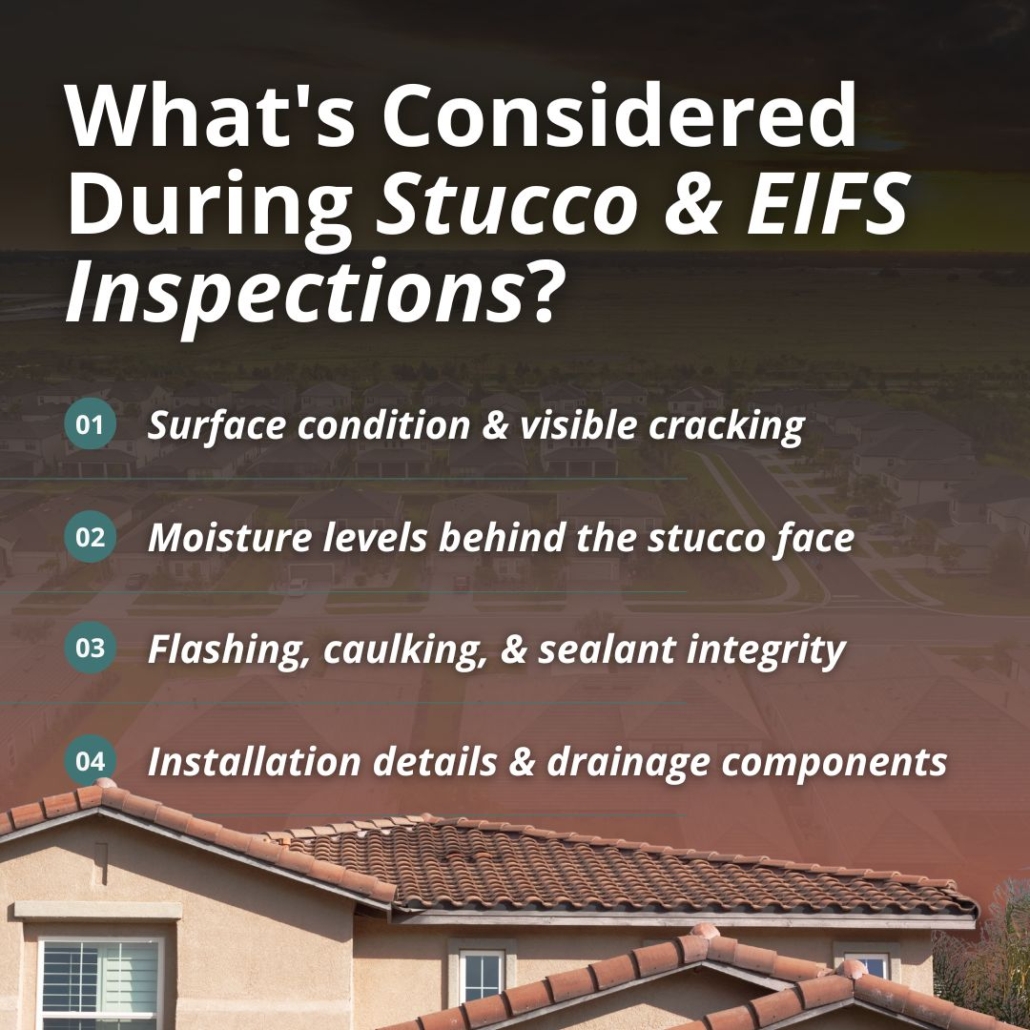
A standard home inspection includes a visual evaluation of the exterior, but a dedicated stucco inspection goes further. At Inside & Out Property Inspectors, our team holds a Level II certification from the Exterior Design Institute (EDI) and brings over 20 years of building experience to every stucco evaluation.
We use moisture meters and infrared thermography to detect anomalies behind the stucco face without opening the wall. Where findings warrant, invasive probing involves small openings in the stucco to directly assess the condition of the sheathing and framing below. This is the only way to confirm what is happening inside a wall that shows surface indicators of damage, and it is particularly important for homes with EIFS systems or undocumented prior repairs.
Maintenance That Extends Stucco Life
Staying ahead of stucco issues is always less expensive than addressing them after water damage has set in. These are the habits that make the biggest difference:
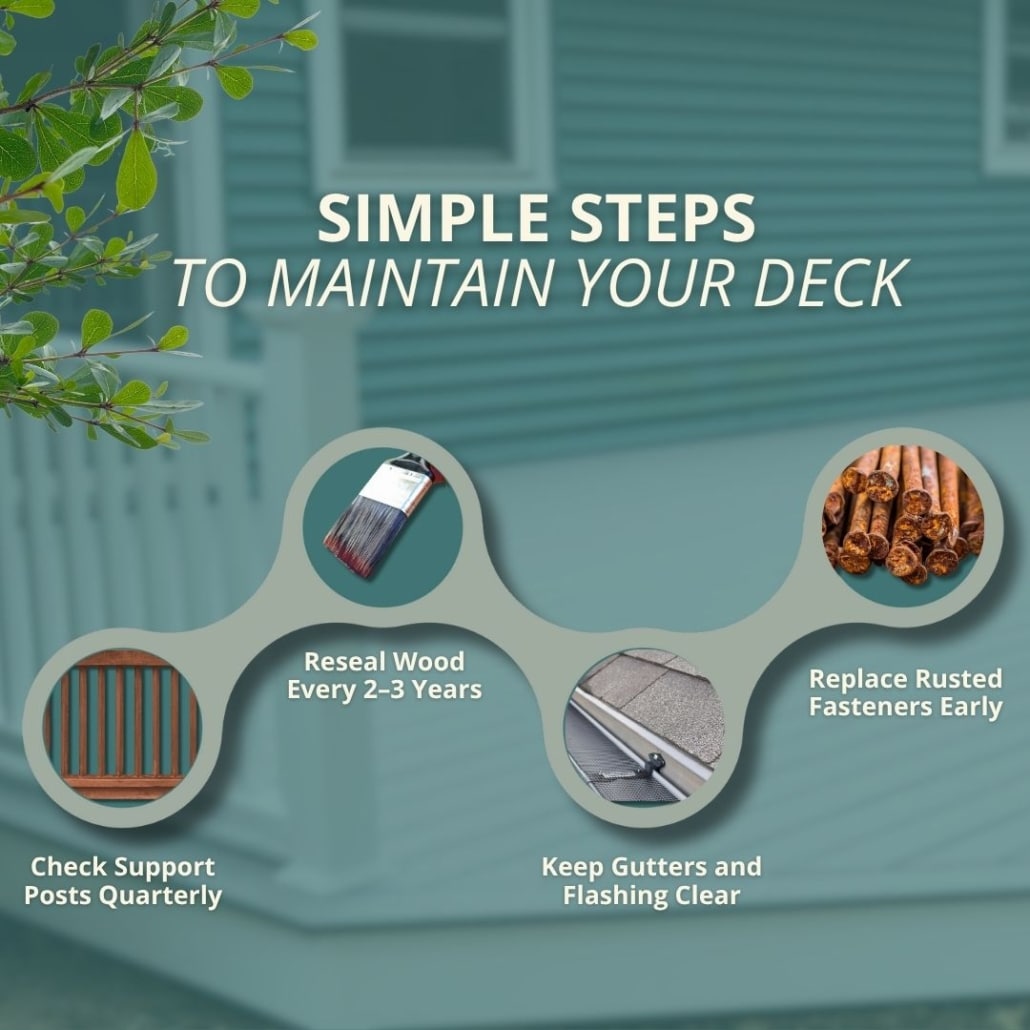
- Inspect and reseal caulk around all windows, doors, and penetrations annually
- Check for new cracks after severe weather or significant rain events
- Keep gutters clean and direct downspouts away from stucco walls
- Trim vegetation that contacts or overhangs stucco, since plant material holds moisture against the wall
- Apply a breathable exterior sealant every five to ten years, depending on exposure
- Address any crack or gap promptly rather than waiting for the next maintenance cycle
Related Questions
Stucco is rarely the only exterior concern on a Northeast Florida home. Here are questions that come up most often in connection with it.
How does moisture behind stucco connect to mold?
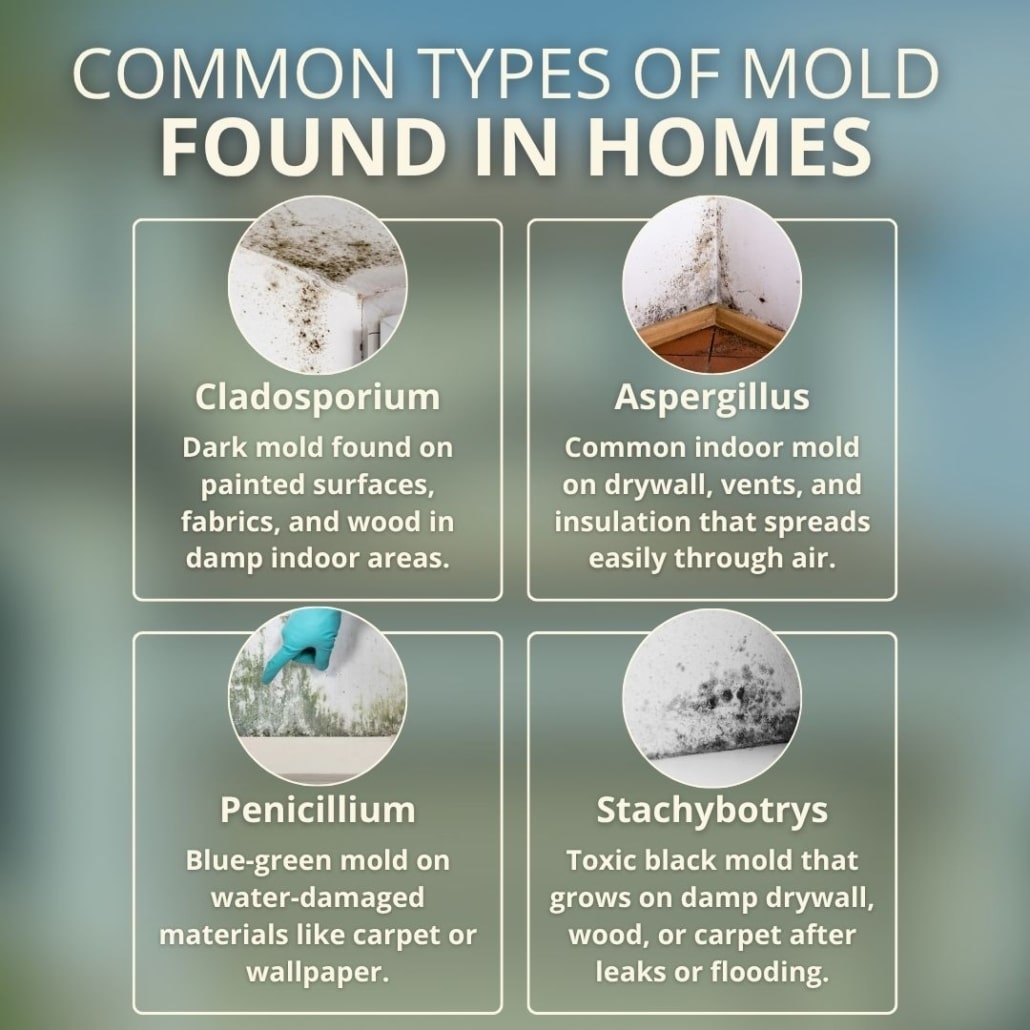
When water becomes trapped inside a wall assembly, the warm, dark conditions behind stucco create an environment where mold can develop on sheathing and framing before any visible signs appear on the interior. Homes with a history of stucco moisture intrusion often benefit from mold testing alongside the stucco evaluation.
What role does a home inspection play when buying a stucco home?
A full home inspection evaluates the condition of the entire property, including the exterior wall systems. For stucco homes, that evaluation is more meaningful when paired with a dedicated stucco inspection, particularly if the property has EIFS, visible cracking or staining, or a renovation history that is not well documented.
How do wind mitigation or 4-point inspections relate to stucco condition?
Stucco itself is not a direct component of a wind mitigation or 4-point inspection, but active moisture damage found during a stucco assessment can intersect with those reports if it has affected the roof system, electrical, HVAC, or plumbing. Insurers may require documentation of repairs before issuing or renewing coverage on homes with known water intrusion.
What should buyers know about stucco on a new construction home?
Even new stucco can be installed incorrectly. Missing weep screeds, insufficient flashing, and poor window integration are errors that a builder’s quality control process may not catch. A pre-drywall inspection or new construction inspection creates an opportunity to identify these issues before walls are closed and before closing day.
When to Call a Professional
These are the situations where a dedicated stucco evaluation is the right call:
- You are purchasing a home with a stucco or EIFS exterior
- You have noticed any of the warning signs listed above
- The home has had stucco repairs with no documentation of what was done
- You are buying a home built before 2000, when EIFS installation standards were less regulated
- You have not had a stucco assessment in five or more years
Inside & Out Property Inspectors holds EDI Level II stucco certification and serves buyers, sellers, and homeowners across Jacksonville, St. Augustine, Ponte Vedra Beach, Nocatee, Fleming Island, and throughout Northeast Florida.
Conclusion
Stucco is a durable and widely used exterior finish that performs well in Florida’s climate when installed correctly and maintained consistently. The concerns that come with it are real but manageable, and most serious damage traces back to installation issues or early warning signs that were not addressed promptly.
Whether you are buying, selling, or maintaining a stucco home in Northeast Florida, knowing what to look for and when to bring in a certified inspector gives you the information you need to protect your investment. Get a free quote today.