A flickering light bulb is relatively common and might seem like a harmless quirk – but have you ever wondered if it’s signaling a dangerous underlying problem? In some cases, ignoring this issue could lead to potential safety hazards or even expensive electrical repairs.
So you’re always prepared for this situation moving forward, this post will explain common causes behind flickering light bulbs and explore the potential dangers. We’ll also cover practical troubleshooting tips to help you address the flickering and know when it’s time to call an expert.
What Causes Light Bulbs to Flicker?
Several factors can cause a light bulb to flicker, ranging from minor issues to serious concerns:
Loose light bulb connections: This prevents a steady flow of electricity to the bulb.
Faulty light switches: They can intermittently cut power, causing flickering.
Voltage fluctuations: Inconsistent voltage in your home’s electrical system may cause lights to flicker, especially with outdated wiring that can’t handle modern electrical demands.
Outdated wiring: Old wiring may not be able to support the power needs of modern appliances and electronics, leading to flickering.
Overloaded circuits: When circuits are strained to provide power consistently, lights may flicker.
Risks of Flickering Light Bulbs
While a flickering light bulb seems like a minor inconvenience, it can indicate bigger problems that pose bigger risks. Ignoring the flickering could lead to:
Fire hazards: Loose connections or faulty wiring can generate heat and sparks, increasing the risk of electrical fires.
Electrical shock risks: The underlying issue causing the flickering may expose you to live wires, posing a shock hazard.
Damage to appliances and electronics: Inconsistent power from flickering can harm sensitive electronic components.
Reduced light bulb lifespan: Constant flickering can cause light bulbs to burn out more quickly, which means more frequent replacements.
Troubleshooting for Flickering Lights
If you notice a flickering light bulb, consider trying these simple troubleshooting:
Tighten loose connections: Gently tighten the light bulb and check the fixture’s connections to ensure a steady power flow.
Replace old switches: Faulty or worn-out light switches can cause intermittent flickering, so try replacing them with new ones.
Upgrade to compatible bulbs: Use high-quality light bulbs designed for your specific fixture to minimize flickering and ensure optimal performance.
Redistribute electrical loads: If multiple lights are flickering, try redistributing electrical loads evenly across circuits to prevent overloading.
Other Recommended Maintenance
To prevent flickering light bulbs and ensure electrical safety, consider a few key maintenance tasks. Regularly inspect your home’s wiring for signs of wear, damage, or outdated components that may need to be replaced to prevent flickering and other electrical issues.
If your home has an outdated electrical panel, upgrading to a modern one can help accommodate your current power needs and reduce the risk of flickering. Additionally, installing surge protectors throughout the home can safeguard your valuable electronics from potential damage caused by flickering or power surges.
When to Call a Professional
If you experience persistent flickering despite your efforts, there may be a more serious underlying issue.
Also, if you notice visible sparks or burning odors coming from outlets, switches, or fixtures, turn off the power immediately. Then, get help from an expert. Frequent circuit breaker trips or blown fuses could also indicate a severe electrical problem that needs professional assessment.
In any of these cases, it’s essential to have a licensed electrician address the issue. Attempting to diagnose and fix these serious issues yourself can be dangerous.
Conclusion
To summarize, don’t ignore that flickering light bulb – while it’s not always dangerous, it could be a warning sign of a serious electrical issue. It can be tempting to brush off the annoyance, but addressing it quickly is the best course of action.
Bringing big ideas to life in a small kitchen doesn’t require a lavish budget or even major renovations. With strategic planning and a little free time, even the most compact spaces can be functional and stylish.
This article is here to be your inspiration for ideas that optimize kitchen space, enhance functionality, and refresh the look without straining your budget. If you’re looking to redefine organization, brighten the walls, or even if you’re not sure yet, you’ve found the right guide to start your journey.
Maximizing Space in a Small Kitchen
To start planning your kitchen update, start by rethinking the available space to determine the best tweaks based on your goals for the space.
Storage Solutions
Firstly, vertical space often goes underutilized in small kitchens. Install floating shelves to keep essentials within reach and off the countertops. Utilize the inside of cabinet doors by adding hooks for tools or racks for spices, transforming hidden surfaces into valuable storage areas. Don’t forget the area under the sink—an organizer can turn this often cluttered space into a neatly arranged haven.
Multipurpose Furniture
Also, furniture that serves dual purposes can be a game-changer. Consider a foldable table that provides a dining or extra prep area when needed and disappears when it doesn’t. Opt for chairs that slide under the table or double as storage. A mobile kitchen island is another excellent choice, offering both a prep area and extra storage—and it can be moved out of the way whenever you need more floor space.
An example of folding, multi-purpose furniture in a compact kitchen.
Affordable Style Updates
Refreshing your cozy kitchen can start with simple, creative changes like color choices and light fixtures.
Painting and Wall Treatments
When new shelves aren’t quite enough, a fresh coat of paint is one of the quickest and most cost-effective ways to transform a kitchen. You can opt for lighter shades to make the space feel bigger and brighter, or bold colors to add a dramatic flair. For a flexible decor option, try peel-and-stick wallpaper—it’s simple to apply, easy to remove, and available in designs that can personalize your space without permanent commitment, generally costing $1 to $4 per square foot.
Lighting Upgrades
Lighting can redefine a kitchen, both in functionality and style. Replace old fixtures with chic pendant lights or add LED strips under cabinets for a warm, modern glow. Choosing energy-efficient lighting fixtures will help cut down on electricity bills while enhancing the kitchen’s overall ambiance.
LED light strips, placed above the counter to elevate the look of a small kitchen area.
DIY Projects to Refresh Your Kitchen
You also have the option to take matters into your own hands! So, these are a few examples of manageable upgrades perfect for weekend warriors looking to make a quick impact.
Cabinet Makeover
Refreshing your kitchen cabinets need not mean a full replacement. Repainting cabinets costs about $200 to $600, significantly less than the $2,000 to $8,000 price tag for new cabinets, depending on your kitchen size and materials used. While repainting offers a budget-friendly facelift with various color options, replacement provides a complete transformation suitable for extensive remodels.
According to HomeAdvisor, repainting is a popular choice for those looking to update their kitchen’s look without a major investment. Choose repainting for a cost-effective refresh or replace if structural changes or severe damage warrant a more substantial overhaul.
Backsplash Installation
Similarly, installing a new backsplash is a fantastic way to add character to your kitchen. Peel-and-stick tiles are available in various patterns and colors, allowing you to customize your space with minimal effort and typically cost $5 to $40 per square foot. This project not only enhances the kitchen’s appearance but also makes cleaning easier, providing a practical update that looks great.
Smart Appliance Choices
Choosing the right appliances can make a big difference in a small kitchen. Look for compact, multifunctional devices that save space and enhance your cooking experience.
Compact Appliances
Consider appliances designed for small spaces, like narrower refrigerators or one-unit washer/dryers. These appliances often come with features comparable to their larger counterparts but are tailored to fit tighter spaces.
Energy-Efficient Appliances
Opt for energy-efficient models when replacing old appliances. These not only lower your utility bills but also are better for the environment. Look for the Energy Star label as a guide to efficiency and quality.
Small kitchen area that’s been enhanced with various budget-friendly ideas.
Other Recommended Maintenance
Regular maintenance ensures your kitchen remains beautiful and functional long after the updates. Start by routinely cleaning high-use areas like stove tops and countertops. Regularly check fixtures and fittings, like faucets and cabinet handles, and tighten them as needed. Periodic deep cleaning of appliances and corners will also help maintain kitchen freshness.
Lastly, be proactive about addressing wear and tear. Fixing small issues promptly can prevent bigger problems down the line, keeping your kitchen in top shape with minimal effort.
When to Call a Professional
Certain updates will likely require a professional touch. Electrical tasks and plumbing alterations are not only complex but also often governed by local safety regulations. For these, hiring a licensed electrician or plumber ensures that your upgrades meet legal standards and are safely implemented.
Similarly, structural changes such as altering walls or modifying major fixtures should be entrusted to a professional contractor. This helps avoid costly mistakes and ensures that your renovations adhere to building codes and professional standards.
Conclusion
Now you’re ready! With so many budget-friendly and impactful ideas for a small kitchen, the hard part will be deciding.
While many kitchen improvements are within your reach as DIY projects, remember the importance of professional expertise for more complex upgrades. If you’d like to schedule an inspection of your home – before or after your updates – call Inside and Out Property Inspections in Jacksonville, FL, and surrounding areas.
https://insideandoutpropertyinspectors.com/wp-content/uploads/2024/04/small-kitchen-ideas-on-a-budget.jpeg10001500BJ Johnsonhttps://d39oyu4lp7snwz.cloudfront.net/wp-content/uploads/sites/54/2019/08/31171419/io-favicon-300x300.pngBJ Johnson2024-04-24 17:00:412024-04-24 17:00:42Small Kitchen Update Ideas on a Budget
Maintaining the appearance of your home demands attention to detail, and it doesn’t stop at brick surfaces. Whether you’re prepping your home for a vibrant summer party or simply doing routine upkeep, the sight of moss creeping across your brick patio or climbing up your exterior walls can kill a good mood.
But fear not! Tackling the green intruder is not as daunting as it may seem. In this guide, we’ll walk through removal and prevention strategies, including eco-friendly options, to address this eyesore. Whether you opt for a professional cleaning service or take matters into your own hands, our goal is to make sure that moss doesn’t stand a chance against your efforts.
Causes of Moss Growth on Brick
Thriving in damp, cool environments, moss spores latch onto the porous surface of bricks, where they absorb water and nutrients.
As time goes on, this seemingly harmless plant can become a destructive force, trapping moisture against brick surfaces. This not only accelerates wear but also compromises the structural integrity of your bricks, potentially leading to costly repairs.
The secret to moss control lies in understanding and modifying the environmental conditions that facilitate its growth, paving the way for effective prevention and maintaining the health of your brick surfaces.
Preparing to Remove Moss
Firstly, equip yourself with the appropriate tools to ensure your project is a success. Here’s what you’ll need to kill the moss on your brick surfaces:
Protective gloves
Safety glasses
A stiff brush
A cleaning solution of your choice
Whether you lean towards eco-friendly methods like vinegar or opt for stronger solutions such as bleach, prioritizing safety is paramount. When you protect yourself and ensure good ventilation in the area, you avoid a whole host of potential safety issues.
The Moss Removal Process
Removing moss from brick requires a delicate balance between effectiveness and preserving the integrity of the brickwork. Here’s a step-by-step approach that ensures thorough removal while maintaining the health of your bricks:
Moisten the Moss – Begin by gently dampening the moss with water. This preliminary step softens the moss, making it easier to remove without damaging the brick’s surface.
Physical Removal – Using a stiff, non-metal brush, gently scrub the moss from the bricks. The key here is to use enough pressure to remove the moss while being gentle enough to avoid scratching or damaging the bricks. Work in small sections to ensure thorough removal.
Choose Your Cleaning Solution – For a natural approach, mix equal parts water and white vinegar. For more stubborn moss, a solution of diluted bleach (one part bleach to ten parts water) can be effective. Apply your chosen solution directly to the affected areas, taking care to protect surrounding vegetation, and wear protective gear to safeguard your skin and eyes.
Application and Waiting – Apply the solution using a spray bottle or brush, ensuring full coverage of the mossy areas. Allow the solution to sit for at least 15 minutes. For tougher moss, a longer soak might be necessary but never exceed 30 minutes to avoid brick damage.
Rinsing – Thoroughly rinse the treated area with clean water. A low-pressure hose is ideal for this task, removing the dead moss and cleaning the solution without eroding the mortar.
Dry and Assess – Allow the area to dry completely. This not only gives you a chance to assess your work but also helps prevent immediate moss regrowth. If moss remains, repeat the process, focusing on the persistent areas.
Other Recommended Maintenance
Regular cleaning is essential to prevent the accumulation of dirt and early detection of wear or damage. Another crucial practice is repointing, which involves renewing the external parts of mortar joints to prevent water ingress and structural damage. Applying a breathable sealant can also protect the bricks from moisture while allowing trapped water vapor to escape, crucial for preventing moss and mildew growth.
Finally, consistent inspections are key to identifying cracks or damage early, allowing for timely repairs before minor issues escalate.
When to Call a Professional
Sometimes, the moss may have already gotten out of control, inviting structural damage to your bricks. In such cases, professional help isn’t just recommended; it’s necessary. Experts can assess the extent of damage, provide targeted treatments, and even offer advice on preventing future growth.
Remember, the goal is to preserve your property’s integrity and aesthetics, and professionals are equipped with the skills and tools to do just that.
Conclusion
Moss on brickwork is an obvious aesthetic issue, but it’s also a sign that your brick surfaces need attention. With the right approach, the steps to kill moss on brick and maintain your home’s exterior are simple and immensely rewarding. Remember, the key to successful brick maintenance lies in regular care and early intervention!
Whether you decide to tackle moss removal yourself or seek professional assistance, maintaining your brick surfaces not only enhances your property’s appearance but also its longevity and value. However, when in doubt, give a shout! For guidance on your home’s exterior or to schedule an inspection, reach out to Inside and Out Property Inspectors in Jacksonville, FL, and surrounding areas.
https://insideandoutpropertyinspectors.com/wp-content/uploads/2024/03/how-to-kill-moss-on-brick.jpeg10001500BJ Johnsonhttps://d39oyu4lp7snwz.cloudfront.net/wp-content/uploads/sites/54/2019/08/31171419/io-favicon-300x300.pngBJ Johnson2024-03-26 20:49:302024-03-26 20:49:30How To Kill Moss On Brick
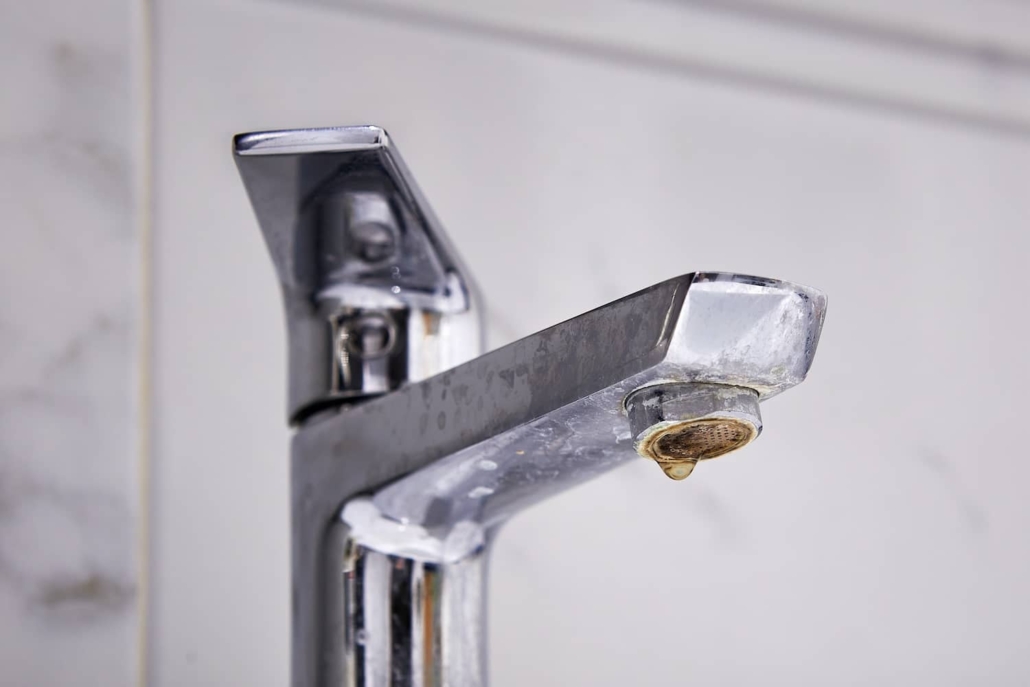
A clean head on your sink faucet is essential for both the aesthetic appeal and functionality of any bathroom or kitchen. When mineral deposits, limescale, and grime build up on the faucet head, it can lead to unsightly stains, reduced water pressure, and even potential health hazards.
Luckily, cleaning this often-forgotten spot is a straightforward process that can be accomplished with minimal effort and a few simple household items. In this post, we’ll explore the importance of keeping your faucet head clean and provide a detailed guide on how to achieve the best results with ease.
Why it Matters
Over time, mineral deposits from hard water can accumulate on the faucet head, leading to clogs and reduced water pressure. This buildup affects the performance of your faucet and can create a breeding ground for harmful bacteria and germs.
Moreover, a dirty or stained faucet head can detract from the overall appearance of your sink and bathroom. By regularly cleaning your sink faucet head, you can prevent these issues and ensure that your faucet continues to function properly while maintaining a fresh, clean look.
In addition to the aesthetic and functional benefits, keeping your faucet head clean can also extend its lifespan. When mineral deposits and grime are left to accumulate, they can cause damage to the faucet’s components, leading to leaks and the need for costly repairs or replacements.
Step 1: Assemble Your Cleaning Kit
Before you begin the process of cleaning your sink faucet head, it’s essential to gather all the necessary supplies. This will ensure a smooth and efficient cleaning experience without interruptions. Here’s what you’ll need:
White vinegar – This common household item is a natural and effective cleaning solution for dissolving mineral deposits and grime.
Baking soda – When combined with vinegar, baking soda creates a powerful cleaning paste that can help scrub away stubborn stains.
An old toothbrush or a soft-bristled brush – Either one will work! A small brush will allow you to reach tight spaces and crevices, making it easier to remove buildup.
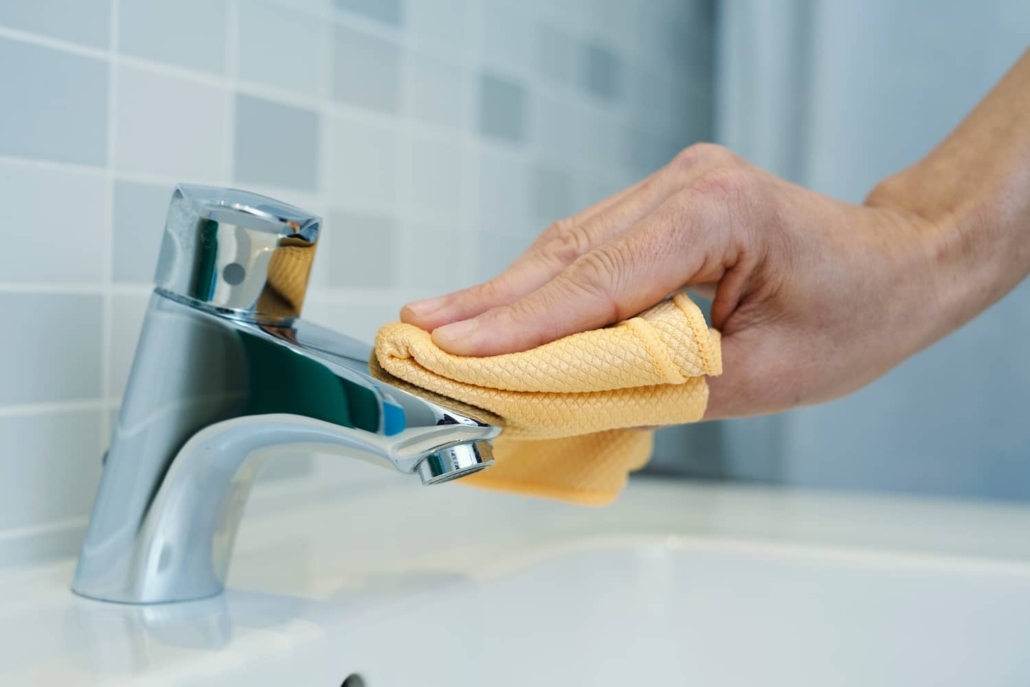
A soft cloth or sponge – Use this to wipe down the faucet head and surrounding areas after cleaning.
A bowl or cup – You’ll need a container to soak the faucet head in the vinegar solution.
Rubber gloves (optional) – If you have sensitive skin or want to protect your hands from the cleaning solution, wear a pair of rubber gloves.
As an alternative, you can replace the white vinegar with lemon juice, which has similar acidic properties that help break down mineral deposits.
Step 2: Safely Remove the Faucet Head
With your cleaning supplies ready, it’s time to dismantle the faucet head for a thorough cleaning. Before you begin, it’s crucial to turn off the water supply to your sink! This will prevent any accidental leaks or flooding. Locate the shut-off valves beneath the sink and turn them clockwise until they are fully closed.
Next, carefully unscrew the faucet head from the base. Depending on your faucet model, you may be able to do this by hand or with the help of pliers. If you’re using pliers, place a soft cloth between the pliers and the faucet head. This will help avoid scratching or damaging the finish.
As you remove the faucet head, take note of any small parts, such as washers or O-rings, that may come loose. Set these aside in a safe place, so you don’t lose them during the cleaning process. If your faucet head is particularly old or corroded, consider taking a photo or making a quick sketch of how the components fit together to ensure proper reassembly later.
If you encounter significant resistance when attempting to remove the faucet head or if you’re unsure about the process, it’s best to consult your faucet’s user manual or contact a professional plumber to avoid causing damage to your sink or faucet.
Step 3: Deep Clean the Sink Faucet Head
Now that you have successfully removed the faucet head, it’s time to give it a deep clean. Fill a bowl or cup with equal parts white vinegar and warm water, creating a cleaning solution that will help dissolve the buildup.
Submerge the faucet head in the vinegar solution, ensuring that all the components are fully covered. Allow the faucet head to soak for at least 30 minutes to an hour, depending on the severity of the buildup. For particularly stubborn deposits, you may need to let it soak overnight.
After soaking, use an old toothbrush or soft-bristled brush to gently scrub the faucet head and its components. Pay special attention to the small holes and crevices where mineral deposits tend to accumulate. The combination of the vinegar solution and the scrubbing action will help loosen and remove the grime.
If you encounter any stubborn stains or deposits that don’t come off with the vinegar solution alone, create a paste using equal parts baking soda and water. Apply this paste to the affected areas and let it sit for a few minutes before scrubbing with the brush. The abrasive nature of the baking soda will help remove the remaining buildup without damaging the faucet head’s finish.
Once you’ve finished scrubbing, rinse the faucet head and its components thoroughly under running water to remove any remaining solution or loosened grime. You’re now ready to get it reassembled!
Step 4: Reassembling the Faucet Head
Begin by giving each component a thorough check to ensure that no traces of vinegar or baking soda paste remain. Any residue could affect the taste or quality of your water.
For any small parts that were removed, such as washers or O-rings, have them ready for reassembly. Refer to the photo or sketch you made earlier! For faucet heads with a screw-on connection:
Carefully thread the faucet head back onto the base, using your hands to tighten it initially.
Use pliers to give it a final, gentle turn to ensure a secure fit. Place a soft cloth between the pliers and the faucet head to protect the finish from scratches or damage.
For faucet heads with a snap-on connection, simply align the faucet head with the base and press it into place. Do this until you hear a clicking sound, indicating that it’s securely attached.
Once the faucet head is back on, double-check that all components, including washers and O-rings, are secure to prevent any issues when you turn the water back on. After reassembling the faucet head, turn the water supply valves counterclockwise to restore water flow to your sink.
Step 5: Test Your Faucet
With your faucet head clean and reassembled and the water supply restored, it’s time to test it out. Slowly turn on your faucet and let the water run for a few seconds. This will help flush out any remaining debris or cleaning solution that may have been trapped inside the faucet head.
As the water flows, check for any leaks or drips around the base of the faucet head or the connections. If you notice any leaks, turn off the water supply and double-check that all components are properly seated and tightened. If the leaks persist, you may need to replace any worn-out washers or O-rings.

Assuming there are no leaks, take a moment to admire the improved water pressure and flow. The deep cleaning process should have unclogged any blocked holes or crevices in the faucet head. Enjoy the satisfying sight of a steady, full stream of water coming from your newly cleaned faucet head!
Other Recommended Maintenance
In addition to regularly giving your sink head a clean, some other simple maintenance tasks can help keep your faucet functioning properly and looking its best.
Clean the faucet body – While cleaning the faucet head, don’t forget to give the faucet body a thorough wipe-down. Use a soft cloth or sponge and a mild cleaning solution to remove any soap scum, water spots, or grime. This will help maintain the faucet’s finish and prevent corrosion.
Check for leaks – Periodically inspect your faucet for any signs of leaks, not just after cleaning the faucet head. Check the base of the faucet, the connections, and the handles for any drips or pooling water. If you notice any leaks, address them promptly to avoid water damage and wasted water.
Lubricate the handles – If your faucet handles become stiff or difficult to turn, a simple lubrication can help. Apply a small amount of silicone-based grease or plumber’s grease to the base of the handles. Then, work them back and forth a few times to distribute the lubricant. This will help keep the handles moving smoothly and prevent wear and tear.
Replace worn-out parts – Over time, certain components of your faucet, such as washers, O-rings, and seals, can become worn out or damaged. If you notice any leaks, drips, or reduced water pressure that doesn’t improve with cleaning, it may be time to replace these parts. Consult your faucet’s user manual or a professional plumber for guidance on obtaining and installing replacement parts.
When to Call a Professional
If you encounter difficulty removing the faucet head or if you notice any damage to the faucet or sink, stop and get assistance. Forced removal of a stuck faucet head can lead to more serious and costly issues down the line.
Additionally, if you experience persistent leaks, drips, or water pressure problems, a professional plumber can help resolve the issue. Bringing in a trained professional can help ensure that your faucet and plumbing system remain in good working order and avoid potential water damage or costly repairs in the future.
Conclusion
Ultimately, keeping a clean sink faucet head is a simple yet essential task that can greatly improve faucet functionality. Follow these easy steps, and you can effectively remove mineral deposits, limescale, and grime, ensuring a steady flow of clean water and a sparkling finish.
Incorporating this cleaning routine into your regular home maintenance schedule, along with other simple tasks like checking for leaks and lubricating handles, can help you maintain a healthy, efficient, and attractive faucet for years to come. To set up an expert inspection of your home and its main systems in Jacksonville, FL, and surrounding areas, schedule online with Inside and Out Property Inspectors!
https://insideandoutpropertyinspectors.com/wp-content/uploads/2024/03/how-to-clean-sink-faucet-head.jpeg9981500BJ Johnsonhttps://d39oyu4lp7snwz.cloudfront.net/wp-content/uploads/sites/54/2019/08/31171419/io-favicon-300x300.pngBJ Johnson2024-03-12 17:35:382024-04-05 13:58:195 Steps to a Clean Sink Faucet Head
Asphalt is a common material used in the construction and maintenance of roads, parking lots, and driveways. It provides a durable, smooth surface that can withstand heavy traffic and harsh weather conditions. If you’re planning to pave your driveway with asphalt, you might be wondering how long it takes to dry. The answer can vary depending on several factors, including temperature, humidity, and the thickness of the asphalt layer.
In the sections below, explore some basic asphalt background and take a look at what drying time you’re looking at based on your project and location.
What is Asphalt?
Asphalt is a black, sticky substance made from a mixture of aggregates (such as sand, gravel, or crushed stone), binder, and filler material. The binder gives asphalt its adhesive properties, allowing it to hold the aggregates together and create a strong, stable surface.
Asphalt is primarily used for paving roads, parking lots, driveways, and patching potholes, or repairing damaged road surfaces.
Factors Affecting Asphalt Drying Time
The drying time of asphalt can vary depending on several factors:
Temperature – Asphalt dries faster in warmer temperatures. Ideal conditions for asphalt to dry are temperatures above 70°F (21°C).
Humidity – High humidity levels can slow down the drying process, as the moisture in the air prevents the asphalt from drying quickly.
Thickness – The thickness of the asphalt layer also plays a role in drying time. Thicker layers will take longer to dry compared to thinner layers.
Average Drying Time for Asphalt
In general, it takes around 24 to 48 hours for asphalt to dry completely under optimal conditions. However, in colder or more humid weather, the drying process may take longer. It’s essential to allow enough time for the asphalt to dry before using the surface to prevent damage and ensure a long-lasting result.
When Can You Drive on New Asphalt?
It’s crucial to avoid driving on newly poured asphalt until it has had sufficient time to cool and harden. Driving on fresh asphalt too soon can cause damage, leave tire marks, and compromise the surface’s integrity.
As a general rule, wait at least 24 hours before driving on a new asphalt surface. For heavy vehicles or high-traffic areas, it’s best to wait 48 to 72 hours! This will ensure the asphalt is dry and ready.
Tips for Speeding Up the Asphalt Drying Process
If you need to speed up the drying process of your new asphalt surface, consider trying the following:
Ensure proper ventilation – Keep the area well-ventilated to allow moisture to evaporate more quickly. Open windows and doors in nearby buildings to promote airflow.
Use fans or blowers – Place fans or blowers near the asphalt surface to increase airflow and accelerate the drying process.
Apply a curing compound – A thin coat of curing compound can help promote faster drying. This works by sealing in moisture and preventing it from evaporating too quickly.
Avoid heavy objects – Refrain from parking heavy vehicles or placing heavy objects on the freshly laid asphalt, as this can cause indentations and slow down the drying process.
Determining if Asphalt is Fully Cured
To check if your asphalt surface is fully cured, perform a simple thumb test. Press your thumb firmly into the asphalt surface. If it leaves an imprint or feels soft to the touch, the asphalt is not yet fully cured.
Once the surface feels firm and no impression is left, the asphalt has cured and is ready for use.
Other Recommended Maintenance
While your new asphalt driveway dries, take advantage of this time to tackle a few other important home maintenance tasks.
Start by checking your foundation grading to ensure the soil around your home slopes away from the foundation, with at least 6 inches of exposed foundation above grade. This helps prevent water from pooling near your home and causing moisture-related issues.
Next, consider adjusting your irrigation system. For most landscapes, running drip irrigation for one hour per week is sufficient, but it’s essential to monitor your plants closely and adjust the watering schedule as needed based on your soil type and plant requirements.
Finally, if you have brick pavers, now is a great time to give them a thorough cleaning. A simple mixture of baking soda and detergent can effectively remove most stains, but for tougher stains, you may need to use a diluted bleach solution. Always test a small, inconspicuous area first and follow the manufacturer’s instructions to avoid damaging your pavers or harming nearby plants.
When to Call a Professional
If you notice any signs of damage or deterioration, such as cracks, potholes, or unevenness, it’s crucial to address these issues promptly to prevent further damage and costly repairs. A professional asphalt contractor has the expertise and equipment necessary to assess the problem and recommend the most effective solution, whether it’s a simple repair or a more extensive resurfacing project.
In addition to addressing visible damage, it’s a good idea to have your asphalt driveway inspected by a professional regularly. They can identify potential issues before they become significant problems, saving you time and money in the long run. A professional can also provide expert advice on how to maintain your driveway properly, ensuring it remains in excellent condition for years to come.
Conclusion
If you notice any signs of damage or deterioration, such as cracks, it’s crucial to address these issues promptly to prevent further damage and costly repairs. Experts will have the knowledge and equipment necessary to assess the problem. Moreover, they’ll recommend the most effective solution, whether it’s a simple repair or a more extensive resurfacing project.
In addition to addressing visible damage, it’s a good idea to have your driveway and the rest of your home’s exterior inspected by a professional regularly. They can identify potential issues before they become significant problems, saving you time and money in the long run. To get a pro’s eyes on your home in Jacksonville, FL, and surrounding areas, reach out to Inside and Out Property Inspectors today.
https://insideandoutpropertyinspectors.com/wp-content/uploads/2024/03/how-long-does-asphahlt-take-to-dry.jpeg10011500BJ Johnsonhttps://d39oyu4lp7snwz.cloudfront.net/wp-content/uploads/sites/54/2019/08/31171419/io-favicon-300x300.pngBJ Johnson2024-03-12 17:35:322024-03-12 17:35:33How Long Does Asphalt Take to Dry?
Stucco is a popular choice for home exteriors, particularly in southern states where the hot climates create ideal conditions for this durable material. However, even the most resilient surfaces need a little TLC from time to time. If your stucco is looking a bit tired or you’re simply ready for a change, you might be wondering if you can paint it.
The good news is that painting your stucco exterior can not only give your home a fresh, updated look but also provide an extra layer of protection against the elements. But before you break out the brushes and rollers, there are a few key things to consider. From understanding the unique characteristics of stucco to choosing the right paint and prepping the surface, we’ll go through everything you need to know to get the job done.
What is Stucco?
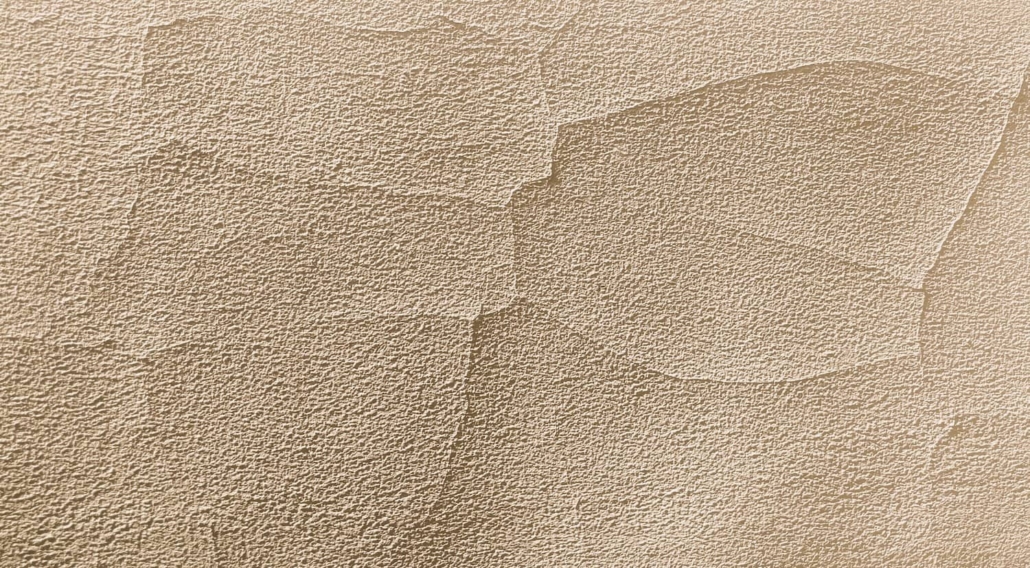
Stucco is a cement-based plaster that goes on the exterior of a building. It’s made from a mixture of cement, sand, and lime. Typically, you apply stucco in three coats over a lath base. Stucco is known for its durability and weather-resistant properties, making it an ideal choice for homes in dry climates.
Reasons to Paint Stucco
There are several reasons why homeowners choose to paint their stucco exteriors:
Aesthetic appeal: Painting stucco allows you to change the color of your home’s exterior, giving it a fresh, updated look.
Additional protection: A new coat of paint provides an extra layer of protection against the elements, helping to preserve the integrity of the stucco.
Increased durability: Properly painted stucco can last up to 10 years or more, depending on the quality of the paint and the preparation process.
Is Painting Stucco a Good Idea?
The decision to paint your stucco ultimately depends on your personal preferences, the climate you live in, and the current condition of your stucco.
In dry climates, such as Arizona, New Mexico, Nevada, and Texas, painting stucco can be a great way to enhance its durability and improve the overall appearance of your home’s exterior.
Preparing to Paint Stucco
Before you begin painting, it’s crucial to properly prepare the stucco surface. This involves the following steps:
Thorough cleaning: Clean the stucco surface to remove any dirt, debris, or loose material. You can use a pressure washer for this, but be cautious not to damage the stucco.
Repair any damage: Inspect the stucco for cracks, chips, or other damage. Repair these issues before painting to ensure a smooth, even surface
Allow the surface to dry: After cleaning and repairing, allow the stucco to dry completely. Then, you’re safe to proceed with the painting process.
Choosing the Right Paint
When it comes to painting stucco, acrylic latex paint is generally the best option. This type of paint is flexible and can withstand the textured surface of stucco. It’s important to select a high-quality paint to ensure longevity and optimal protection.
Step-by-Step Guide to Painting Stucco
1)Apply a primer: Once the stucco is clean, dry, and repaired, apply a primer to the surface. This will help the paint adhere better and provide a more even finish.
2)Begin painting: Using a brush, roller, or sprayer, apply the first coat of acrylic latex paint to the stucco. Work in sections, ensuring even coverage.
3)Allow the first coat to dry: Let the first coat of paint dry completely before applying the second coat. This typically takes a few hours, depending on the weather conditions.
4) Apply the second coat: Once the first coat is dry, apply the second coat of paint, following the same process as before.
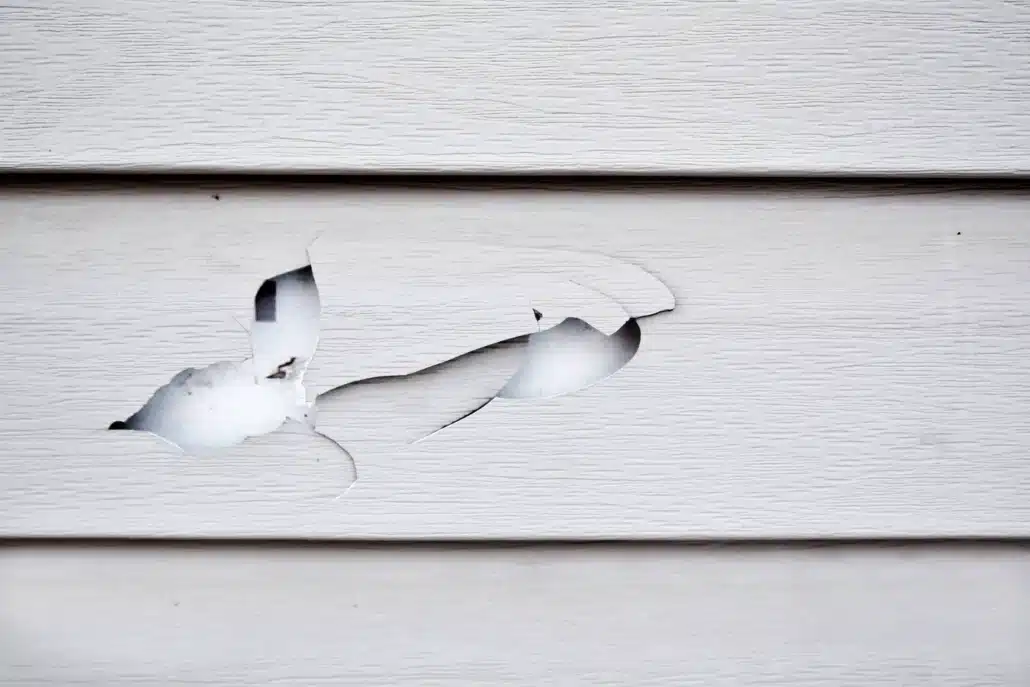
An Example of Stucco That Could Use Some Repair
Other Recommended Maintenance
While you’re painting your stucco, it’s important to keep in mind a few other maintenance tasks that can help protect your home’s exterior. One key area to pay attention to is your home’s landscaping. When planning your garden or adding new plants near your foundation, be sure to leave a small gap between the greenery and your stucco walls. This space will help prevent moisture from seeping into your stucco and deter pests from making their way inside.
Another maintenance task to consider is inspecting and repairing any cracks or damage to your stucco before painting. You can fix small cracks with a stucco patching compound, while larger issues may require the help of a professional. By addressing these problems before applying a new coat of paint, you’ll ensure that your stucco looks seamless and is properly protected against the elements.
Lastly, don’t forget about the importance of cleaning your stucco before painting. Use a pressure washer or a garden hose with a gentle nozzle to spruce it up. This step will help the new paint adhere properly and create a smooth, even finish. If you notice any stubborn stains or mildew, consider using a stucco cleaner specifically designed to tackle these issues.
When Do I Call a Professional?
While painting stucco can be a rewarding DIY project, there are situations where it’s best to call in a professional. First and foremost, if your stucco has extensive damage or requires significant repairs, it’s wise to hire an expert. Professionals have the knowledge and skills necessary to properly assess the damage and make the appropriate fixes before painting begins. This ensures that your stucco surface is structurally sound and ready for a new coat of paint.
Another scenario where professional help may be necessary is when dealing with hard-to-reach areas. If your home has multiple stories or feature areas that are difficult to access safely, it’s best to leave the painting to the pros. Professional painters have the equipment, experience, and safety training needed to navigate these challenging spaces effectively. By hiring a professional in these situations, you can have confidence in the finished job.
If you’re unsure about tackling aprojecton your own, don’t hesitate to reach out to professionals for guidance.
Conclusion
Painting your stucco exterior is a fantastic way to give your home a fresh, updated look while also providing an extra layer of protection against the elements. Following the proper preparation steps, selecting the right paint, and applying it with care, you can achieve a beautiful, long-lasting result. The key to success lies in the details! Take the time to properly clean and repair your stucco surface before painting. Equally important, don’t hesitate to call in professional help when needed.
As you plan out your project, keep in mind that painting your stucco is just one part of maintaining a healthy, safe, and attractive home. If you have questions about the condition of existing stucco or want to schedule an in-depth home inspection before getting started, reach out to Inside and Out Property Inspectors in Jacksonville, FL, and surrounding areas for expert service.
https://insideandoutpropertyinspectors.com/wp-content/uploads/2024/03/can-you-paint-stucco.jpeg10001500BJ Johnsonhttps://d39oyu4lp7snwz.cloudfront.net/wp-content/uploads/sites/54/2019/08/31171419/io-favicon-300x300.pngBJ Johnson2024-03-07 16:01:392024-03-07 16:01:40Can You Paint Stucco?
Your home’s siding endures sun, wind, rain, and temperature swings year after year. This critical outer layer takes the brunt of environmental wear to protect what’s inside. When selecting siding, you need an exterior armor that can stand the test of time without becoming a maintenance hassle. Among popular siding options, vinyl brings versatility and durability at an affordable price point. Known for fuss-free upkeep and longevity matching costlier choices, vinyl enriches your home’s curb appeal for decades to come. But how long can you expect vinyl siding to last?
In just a moment, we’ll cover the inside scoop on the average lifetime of vinyl siding, what impacts its lifespan, tips for maximizing its staying power, and when to involve trained professionals. With the right maintenance approach, your vinyl siding could defend your home’s beauty and value for a surprising length of time! Let’s see how.
The Benefits of Vinyl Siding
Vinyl siding contains PVC resin, the same durable, weather-resistant material utilized for pipes, gutters, and decking. This versatile composite mixes in color pigments and molds into panels mimicking wood grain, stucco, brick, and stone textures. Unlike real wood or masonry, vinyl shrugs off moisture, resists rotting and insect infiltration, and never requires painting or staining.
Specialized insulation backing can boost energy savings too. This perfect fusion of custom aesthetics, extreme durability, and fuss-free upkeep explains vinyl’s dominance among today’s siding choices. Protecting your home in style while minimizing maintenance has clear appeal.
What’s the Average Lifespan?
When installed correctly and maintained properly, vinyl siding lasts an average of 20-40 years before a full replacement becomes necessary. For perspective, that equals the time to grow a tree from a sapling to maturity. This impressive lifespan surpasses many other siding materials when accounting for regular upkeep expenses.
Under certain conditions, vinyl siding may begin deteriorating prematurely—low-quality materials, improper installation, excessive sun exposure, poor ventilation, or dark color choices can shorten its staying power. Make it a habit to inspect for signs of early wear or damage. Proactive care is key to enjoying vinyl’s maximum durability.
Signs Your Vinyl Siding Needs Attention
While vinyl siding ages slowly, you should keep an eye out for red flags indicating your exterior needs help. Subtle fading or discoloration, especially on sun-exposed areas, signals overdue cleaning and resealing. Visible cracks, holes, and gaps around panel edges provide pathways for moisture intrusion and pest infiltration requiring sealing. Buckling or warping panels point to stressed connections and possible future detachment that should be addressed.
Persistent dirt or mold/mildew buildup indicates improper maintenance and ventilation needing correction. Brittle, punctured, or loose sections demonstrate advanced weathering necessitating replacement. If you spot isolated vinyl damage, spot repairs often work well. But if multiple regions across your home’s siding show issues, full replacement becomes the wiser, more cost-effective solution long-term.
Acting early at the first signs of trouble allows minor repairs. Waiting until problems compound leads to premature failure. Regularly inspect and address concerns promptly to maximize your siding’s lifespan.
Other Recommended Maintenance
To maximize your vinyl siding’s lifespan, make maintenance a priority. Wash it annually with mild detergent to remove dirt, mildew, and debris. Inspect for any loosening, gaps, or damage, especially after severe weather. Reseal edges and repaint when needed to protect from moisture and sun exposure. Ensure surrounding trees don’t rub against the siding. With this diligent care, your vinyl siding will keep your home beautifully protected for over two decades in many cases.
When to Call a Professional
While DIY works for minor vinyl siding repairs, extensive damage often requires professional expertise. Siding contractors have the skills to properly match new panels, integrate repairs seamlessly, meet codes, and follow the manufacturer’s replacement guidelines correctly. For complex siding issues, a specialist makes sure the job is done right.
Conclusion
All things considered, your home’s exterior siding plays a critical role in protecting your most valuable investment from the elements. When well-maintained, vinyl siding provides customized curb appeal and fuss-free durability for over 20 years on average.
Stay proactive against potential damage by washing and inspecting it annually, acting quickly on any signs of wear. With diligent care, vinyl siding forms a resilient barrier against weathering to maintain your home’s structure and aesthetic appeal over the long haul. If you have questions about the condition of your home’s exterior or want to schedule an in-depth inspection, don’t wait! Call Inside and Out Property Inspectors, or schedule online, in Jacksonville, FL, and surrounding areas today.
https://insideandoutpropertyinspectors.com/wp-content/uploads/2024/03/how-long-does-vinyl-siding-last.jpeg10011500BJ Johnsonhttps://d39oyu4lp7snwz.cloudfront.net/wp-content/uploads/sites/54/2019/08/31171419/io-favicon-300x300.pngBJ Johnson2024-03-01 13:37:592024-03-01 13:37:59How Long Does Vinyl Siding Last?
When it comes to water temperature in your home, the Goldilocks principle often applies: not too hot, not too cold, but just right. Enter the world of tepid water—a term that might not make daily conversation but is certainly a daily comfort. So, what is tepid water?
In the following sections, we’ll dig into the use cases for tepid water, how it’s different from other temperature ranges, and what exactly makes water tepid. From nuanced differences and purposes to essential maintenance tips for your home’s water system, we’re sure to pique your curiosity and provide practical insights.
How Does Tepid Compare to Room Temperature?
When we talk about tepid water, it’s often confused with room-temperature water. However, there’s a subtle, significant difference that’s worth understanding. Room temperature water is typically described as water that sits at the ambient temperature of the surrounding environment—usually between 68°F to 72°F (20°C to 22°C). It’s the water you’d expect to sip from a glass that’s been sitting on your counter.
On the other hand, tepid water is slightly warmer. It’s a term more commonly used in contexts where water interacts with the body or in various processes where a specific temperature range is optimal. Hovering between 85°F and 105°F (29°C to 40°C), it’s intentionally warmer than the ambient room temperature but not to the extent that it would be uncomfortable or dangerous to the touch.
Why Does it Matter?
The temperature of the water we use can have different effects on tasks. For instance, tepid water is often recommended for first aid treatments because it’s warm enough to relax muscles and soothe discomfort without causing additional harm to an injury. In cooking or baking, certain recipes may call for tepid water to activate yeast without killing it, which is critical for the success of your bread or pastries.
When you’re looking to mix tap water to achieve that tepid sweet spot, you’ll generally be combining more hot water than cold. Most modern water systems can easily provide water at this temperature, but it’s essential to be mindful of your specific settings, as perceptions of warmth can vary from person to person.
Every Day Uses for Tepid Water
More than a middle ground between hot and cold, tepid water is a versatile player in daily life, serving purposes that go beyond mere temperature preference. Due to its gentle warmth, tepid water is often the go-to choice for a variety of common tasks. Understanding its uses can help you make the most of this often-overlooked resource.
Personal Care and Comfort
Starting with personal hygiene, tepid water is ideal for washing hands and bathing. It’s warm enough to remove oils, dirt, and bacteria effectively while being gentle on the skin. Consequently, this reduces the risk of drying out or irritating sensitive skin types. For those with conditions like eczema or rosacea, tepid water can help avoid flare-ups that hotter temperatures might provoke.
First Aid and Health
In first aid, tepid water is best for cleaning wounds. It’s also the recommended temperature for compresses to reduce swelling or to soothe headaches. The lukewarm nature is gentle on inflammation, providing relief without the shock that cold water might introduce.
Culinary Applications
Next, the kitchen! Tepid water plays a critical role in culinary arts, particularly in baking. It’s the perfect temperature to proof yeast, ensuring that it remains active for bread making. Tepid water also helps in emulsifying ingredients when cooking! This is because it combines more readily with fats and oils, leading to smoother sauces and dressings.
Plant Care
Water in this temperature range is also a friend to your houseplants. Watering with tepid water is less of a shock to their systems, especially for tropical plants. Cold water can shock the roots and slow growth, but tepid water assimilates more naturally to the plant’s needs.
Cleaning and Maintenance
When it comes to cleaning, tepid water is a powerhouse. It dissolves cleaning products more effectively than cold water, allowing for better interaction with dirt and grease. Whether you’re mopping your floors or wiping down countertops, tepid water enhances the cleaning process without the potential damage or energy consumption of hot water.
Comfort for Pets
Lastly, our pets can also benefit. Whether it’s for bathing or providing drinking water, a moderate temperature can make these activities more pleasant and less stressful for our furry companions.
Other Recommended Maintenance
To ensure consistent access to tepid water, regular checks and maintenance of your water heating system are essential. A good starting point is to familiarize yourself with your water heater’s thermostat. Most models allow you to adjust the temperature setting easily. While the default setting is often around 120°F, which is above the tepid range, dialing it down slightly can help save energy and reduce the risk of scalding, all while providing quick access to tepid water when needed.
It’s also worth investing in annual maintenance by a professional plumber annually. They can assess the condition of your water heater, check for sediment buildup, and ensure the system operates efficiently. Sediment in the tank can impact water temperature control and reduce the efficiency of your system, leading to higher utility bills and a shorter lifespan for the appliance.
Furthermore, installing mixing valves can be a wise move. These valves automatically adjust the mix of hot and cold water to deliver water at a safe, consistent temperature. This can be particularly beneficial for households with children or the elderly.
In areas with hard water, consider a water softener. This helps prevent mineral buildup in your pipes and on your heating elements, which can affect water temperature consistency. Conversely, a de-scaling treatment might be necessary if the buildup is already an issue.
When to Call a Professional
When tepid water is no longer a reliable comfort in your home, it’s a clear sign to call in a professional. If adjusting your water heater’s thermostat doesn’t yield the expected warm, yet comfortable touch of tepid water, a plumber’s expertise is necessary. This could point to an issue with the heater’s elements, thermostat failure, or a more complex problem within your system.
Leaks around your water heater or plumbing fixtures require immediate professional attention. Even minor leaks can quickly escalate, leading to water damage and the potential for mold growth. Professionals can repair the leak and investigate to remedy the root cause, preventing recurrence.
While DIY can be tempting, the installation of mixing valves and water softeners is best left to the experts. Professional plumbers will ensure that your system is correctly sized, properly installed, and in compliance with local regulations.
The lifespan of a water heater is limited, and if yours is approaching its expected life, a professional can help. From the most efficient replacement options to the installation process, an expert is always helpful.
Conclusion
In conclusion, tepid water is a moderate and comfortable temperature range between hot and cold. It finds its use in various aspects of our daily lives, such as personal hygiene, first aid, baby care, and pet care. Understanding the uses and benefits of tepid water ensures a safer and more enjoyable experience for homeowners.
However, if you encounter any issues with your water temperature or quality, it is crucial to seek professional help to address the underlying problems effectively. While you are taking a look at your water, it is a great time to reach out to Inside and Out Property Inspectors in Jacksonville, FL, and surrounding areas and get an expert home inspection done today.
https://insideandoutpropertyinspectors.com/wp-content/uploads/2024/02/what-is-tepid-water.png7341500BJ Johnsonhttps://d39oyu4lp7snwz.cloudfront.net/wp-content/uploads/sites/54/2019/08/31171419/io-favicon-300x300.pngBJ Johnson2024-02-23 11:50:282024-02-23 11:50:28What is Tepid Water?
Water pipes are an integral part of any residential or commercial building’s plumbing system. They are responsible for the distribution of water throughout a property, ensuring that clean water is accessible at various points such as sinks, showers, and outdoor faucets. Sometimes air can get in the water pipes. We will learn in this article about where water pipes are located, identifying air in the pipes, and what causes air in water pipes.
What Are Water Pipes?
Water pipes are cylindrical tubes designed to transport water from the main supply to various fixtures and appliances within a building. These pipes can be made from various materials including PVC, copper, galvanized steel, and PEX.
Where Are Water Pipes Located?
Typically, water pipes are located within walls, beneath floors, and above ceilings. In some cases, they can also be found in the ground outside buildings, connecting the municipal water supply to the internal plumbing system.
How to Identify Air in Water Pipes?
Air trapped in water pipes usually manifests as irregular water flow, loud noises such as banging or whistling when a tap is turned on, sputtering at the outset of water flow, or vibrations in the pipes. This may help you find and give you ideas about what the causes of air in water pipes may be.
What Causes Air in Water Pipes?
Air in the water pipes can be caused by a few things:
Water Supply Turnoff: Shutting off the main water supply can sometimes allow air to enter the system.
System Repairs or Modifications: Any repairs or changes to the plumbing can introduce air into the pipes.
Faulty Valves or Seals: Compromised valves or seals may suck air back into the pipes when water pressure drops.
High Water Velocity: High speeds of water flow can create vacuum pockets that trap air.
Improperly-Sized Pipes: Oversized or undersized pipes can cause air chambers to form.
Why Air in Water Pipes Needs to Be Removed
Air in water pipes needs to be removed because it can lead to inconsistent water pressure. It can also lead to potential pipe damage due to water hammer, noise disturbance, and inefficient water heating.
Steps to Remove Air From Water Pipes Yourself
If you figure out what the causes of air in your water pipes are, you can remove the air yourself. Take a look below at the steps.
Turn Off Water Main: Locate the main shut-off valve and turn off your water supply.
Open Highest Faucet: Go to the highest level in your home and open the faucet.
Open Lowest Faucet: Find the lowest faucet in your home, often this is an outdoor hose bib or basement sink, and open it as well.
Turn On Water Supply: Reopen the main valve to allow water to push the air out through the open faucets.
Close Faucets: Once water flows consistently without sputtering, close the lowest faucet followed by the highest one.
How to Protect Your Plumbing?
Regular maintenance such as inspecting for leaks, proper insulation, and checking water pressure can extend the lifespan of your water pipes. It can also prevent issues like airlocks. To protect your plumbing, avoid chemical drain cleaners. Additionally, reduce water pressure if it’s too high, and soften hard water to minimize mineral buildup. Also, never allow your pipes to freeze. These are all good ways to make sure you protect your pipes.
Maintaining Pipes in Your Home
Now that you are aware of how air has gotten into your water pipes you can begin reviewing other possible plumbing issues in older homes. Once you purchase an older home, it is a great idea to read up on all of the possible issues that could arise. This allows you to save money towards any big repair needs down the road.
Next, there are other areas in your home where you might notice air bubbles in your water lines. The toilet is often a place that has an issue with too much air, based on the water pressure and the need to swap out old equipment. Be sure to understand why your toilet bubbles when the shower is running. This could be a result of air in your water lines.
Lastly, if you notice a problem with your bathroom smelling like sewage, you should immediately investigate this. Checking all drains and other possible causes during a sewer scope inspection is key. As you work to get the air out of your water pipes, you might also get rid of any clogs or bacteria build-up that has caused this foul smell.
When to Call a Professional
If you’ve attempted to remove the air and are still experiencing problems, it may be time to call a licensed plumber. Also, if you’re uncomfortable performing these steps yourself, reach out to a professional. It can be difficult to figure out the solution, especially if it is something a little more technical. A professional can help solve the issue.
Check out the video below about getting the air out of the water pipes in your house.
https://insideandoutpropertyinspectors.com/wp-content/uploads/2023/07/water_droplets_25.jpeg10001500BJ Johnsonhttps://d39oyu4lp7snwz.cloudfront.net/wp-content/uploads/sites/54/2019/08/31171419/io-favicon-300x300.pngBJ Johnson2024-02-21 02:54:262024-02-21 02:54:26What Causes Air In Water Pipes?
For homeowners with shrubs, drip irrigation offers an efficient way to keep plants healthy while conserving water. But how long should you run drip irrigation for shrubs? The ideal duration depends on several factors like soil type, climate, and the water needs of your plants.
In this post, we’ll cover the benefits of drip irrigation, how it works, and considerations for setting your system’s runtime when watering shrubs. You’ll learn general time recommendations based on your conditions. We’ll also discuss signs your shrubs need more or less water. With the right drip irrigation schedule, you can nurture robust root systems, prevent disease, and reduce your water usage.
What is Drip Irrigation?
Drip irrigation is a water-saving system that gives plants a drink right where they need it – at the roots. This targeted approach sets it apart from sprinklers that spray everywhere. With drip irrigation, water flows through flexible plastic tubing laid out along garden beds and borders. Small outlets called emitters are installed in the tubing. They release water slowly, drop by drop, onto the soil.
You can place emitters next to each shrub or plant. Or space them evenly to cover entire rows. The flow rate is measured in gallons per hour, so it’s easy to control how much water is applied. Unlike sprinklers, drip irrigation delivers a steady, gentle stream of moisture. This allows soil to absorb water without any runoff or puddles. Foliage stays dry, which reduces disease.
Deep watering encourages plants to grow extensive root systems. This makes them more drought-tolerant. Drip irrigation can be automated with timers and sensors for convenience.
Gardeners love drip systems because they’re affordable, customizable, and up to 90% more water-efficient than sprinklers. They excel at nourishing trees, shrubs, flowerbeds, and vegetable rows with exactly what each plant needs.
Optimizing Your Drip Irrigation Schedule
When creating a watering schedule for shrubs, focus on deep, infrequent irrigation to promote robust root growth. Frequent shallow watering leads to weak, short roots unable to withstand drought.
Aim to run drip irrigation for shrubs just once or twice per week. The optimal duration depends on:
Soil Type – Sandy soils need more frequent watering with shorter runtimes. Clay soils stay moist longer and require less frequent, deeper watering. Loams strike a balance between the two.
Weather Conditions – Hot, dry, windy weather causes faster moisture evaporation from soil and plant leaves. Irrigate more often during droughts or heat waves. Reduce watering in humid climates.
Plant Varieties – Native plants and drought-tolerant varieties need less frequent watering than exotic shrubs unaccustomed to your climate.
Season – Plants have higher water needs during hot summer months compared to cooler spring and fall. Reduce watering in winter when growth slows.
Emitter Flow Rate – Faster watering with higher flow emitters allows you to shorten runtimes. Go longer for slower, more targeted applications.
General Drip Irrigation Runtime Guidelines
Sandy soil: 30-45 minutes, 1-2 times per week
Loam soil: 60 minutes, 1 time per week
Clay soil: 90 minutes, 1 time every 1-2 weeks
Check soil moisture before each watering, and aim to supplement with occasional deep soaking during dry seasons!
Cost Considerations
Installing a drip irrigation system requires an initial investment, but you’ll reap ongoing savings from water efficiency. Here are the main factors that impact the cost:
System scale – Larger landscapes need more tubing, emitters, and connector parts which adds expense. But costs per square foot decrease with size.
Materials – Tubing, connectors, and emitters are available in a range of price points. Opt for UV-resistant tubing for longevity.
Automation – Smart timers, WiFi control, moisture sensors, and valves increase automation but also cost. They can optimize watering and prevent overwatering, saving resources.
Installation – Hiring an irrigation specialist is recommended unless you’re experienced. Professional installation averages $300-$800 but ensures proper layout and function.
Maintenance – Occasional filter cleaning, emitter replacement, and inspections help sustain system health and water savings. Annual costs are low.
Expect to invest $200-$800 for parts in a small DIY drip system. Professionally installed systems for whole gardens with automation can cost $2,000-$5,000. The expenses tend to pay for themselves over a few years through water savings. Plus, healthy shrubs and gardens are priceless!
When to Call a Professional
Installing drip irrigation can be straightforward, but complex landscapes often benefit from an experienced irrigation specialist. Their skills and know-how prevent rookie mistakes. Large yards requiring expansive tubing layouts with dozens of emitters call for pro design and placement. Precise spacing and zoning ensure even coverage across diverse plantings.
Additionally, sloping or multilevel terrain calls for an expert eye. They can account for elevation changes and prevent runoff. Maximizing efficiency and automating watering requires specialized expertise. Advanced controllers, moisture sensors, and smart valves integrate seamlessly when installed by professionals.
Even smaller, simple drip system installations often develop leaks or coverage gaps. Proactive maintenance from experts optimizes performance. And you skip the hassle and headaches of DIY.
Finally, careful system design, leak prevention, and efficiency maximize the benefits of drip irrigation. For complex installations or advanced features, irrigation specialists earn their keep.
Other Recommended Maintenance
Aside from smart watering, a few extra care tips keep your shrubs looking their best. Each spring, spread a fresh layer of compost or mulch around shrub beds. This boosts moisture, nutrients, and healthy bacteria in the soil. Apply 2-3 inches of mulch but avoid piling it against the stems. Bark, leaves, straw, or rocks will all work.
Also, prune overgrown shrubs after blooming or during winter dormancy. Pruning opens up tangled branches for better growth and shape. Group shrubs with the same lighting and watering needs together. For example, azaleas, hydrangeas and camellias all thrive on moderate watering and partial shade. Drought-lovers like junipers need less than others in the garden.
Check leaves, stems and roots for signs of problems. Treat pests and diseases early before they get worse, and clear out dead annuals after frost so bugs have fewer places to overwinter!
https://www.youtube.com/watch?v=fSyCL-nXc9g
Conclusion
When it comes to scheduling when to run drip irrigation for shrubs, the optimal duration leads to healthy plants. Run times that are too long cause waste and disease, and too short leaves shrubs stressed and dry.
Aim for deep weekly soakings based on your soil and climate. Sandy soils may need 30-45 minutes. Loams and silty soils 1 hour. Heavy clay even less frequently. Adjust as needed based on weather, plant types, and the season. Automated timers set to water before dawn are ideal. With the right schedule matched to your conditions, drip irrigation keeps shrubs vibrant with no hassle.
https://insideandoutpropertyinspectors.com/wp-content/uploads/2023/07/drip_irrigation_25.jpeg9281392BJ Johnsonhttps://d39oyu4lp7snwz.cloudfront.net/wp-content/uploads/sites/54/2019/08/31171419/io-favicon-300x300.pngBJ Johnson2024-02-15 15:44:532024-12-24 19:41:38How Long to Run Drip Irrigation For Shrubs